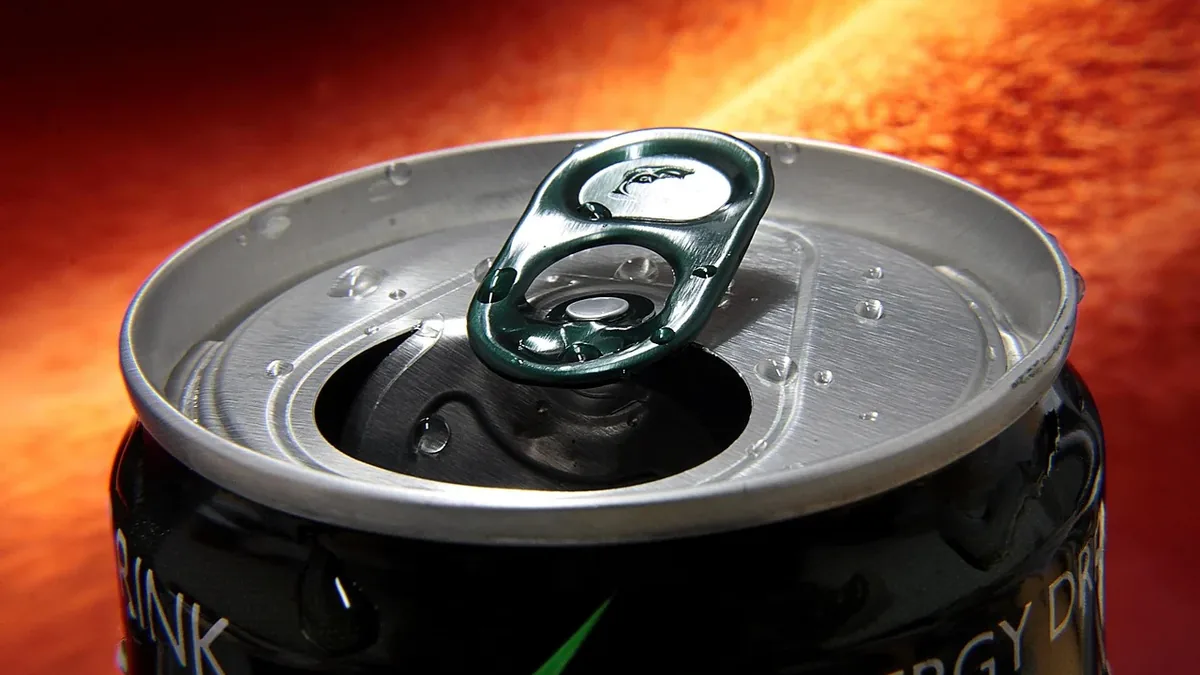
Energy And Sports Drinks
| Primary active ingredients | Caffeine, sugars, electrolytes, B vitamins |
|---|---|
| Typical caffeine content | 50–250 mg per serving |
| Original use | Rehydration and energy replenishment for athletes |
| Typical sugar content | High (often 20–30g per serving), with sugar-free variants common |
| Common electrolytes | Sodium, potassium, magnesium |
| Primary claimed benefits | Improved physical performance, mental alertness, rehydration |
| Common consumption context | During or after intense physical activity, as a stimulant |
Origin and history
The modern energy drink originated in Japan in the 1960s, with the launch of Lipovitan D, a tonic beverage containing B vitamins and taurine marketed to combat fatigue. The category expanded significantly in Europe during the 1980s with products like Red Bull, which was inspired by a Thai functional beverage and adapted for Western markets. Sports drinks have a separate origin, pioneered in the United States in the 1960s with the creation of Gatorade by researchers at the University of Florida to address dehydration and electrolyte loss in athletes. These two distinct beverage categories, one for mental alertness and the other for physical rehydration, began to converge in consumer perception and market offerings from the 1990s onward. The massive commercial growth of both categories throughout the 1990s and 2000s transformed them from niche products for athletes or night-shift workers into mainstream consumer goods. Their widespread availability in supermarkets, convenience stores, and vending machines globally marks their complete shift from margin to mainstream.
Ingredients
Caffeine Taurine B vitamins (such as B6, B12, and niacin) Simple sugars (like sucrose and glucose) Electrolytes (primarily sodium and potassium) Artificial sweeteners (in "diet" or "zero" versions) Acidulants (like citric acid) Preservatives Flavorings Colorings Carbonated water (for most energy drinks) Non-carbonated water (for most sports drinks)
How to make it
- Begin with a base of purified water, either still for a sports drink or carbonated for an energy drink. 2. Dissolve a significant amount of simple sugars, such as glucose or sucrose, into the water base to create a syrup. 3. Add precise measured amounts of key functional ingredients, including caffeine powder and taurine. 4. Incorporate electrolytes, primarily sodium and potassium salts, which are essential for a sports drink's rehydration claim. 5. Mix in a blend of B-complex vitamins and any other desired supplements like guarana or glucuronolactone. 6. Add flavoring concentrates, colorings, and acidulants to achieve the desired taste profile and appearance. 7. For energy drinks, introduce carbonation under pressure. 8. Thoroughly homogenize the mixture to ensure all ingredients are fully dissolved and evenly distributed. 9. Perform quality control testing for ingredient levels and microbial safety. 10. Package the finished beverage in cans, bottles, or pouches using sterile filling equipment.
Variations and serving
The primary variation lies in the core formulation, with energy drinks focusing on stimulants like caffeine and sports drinks emphasizing electrolyte replacement and carbohydrates. Within the energy drink category, variations include sugar-free versions, extra-strength caffeine concentrations, and additions of novel stimulants like yerba mate or green tea extract. Sports drinks vary in their carbohydrate content and electrolyte balance, with some designed for consumption during intense activity and others for recovery afterward. Serving formats range from traditional cans and plastic bottles to powder mixes and concentrated gels or chews for athletes. The serving occasion also defines variation, from being consumed cold as a morning pick-me-up to being used at room temperature during a sporting event. A significant modern variation is the emergence of hybrid beverages that attempt to combine the electrolyte profile of a sports drink with the caffeine content of an energy drink, blurring the lines further.
Overview
Energy and sports drinks are two distinct but often conflated categories of functional beverages designed to alter physical or mental performance. Energy drinks are formulated primarily as stimulant beverages, using ingredients like caffeine and taurine to reduce perceived fatigue and increase alertness and concentration. Sports drinks are formulated as rehydration solutions, designed to replace fluids and electrolytes lost through sweat and provide carbohydrates for energy during prolonged physical exertion. The mainstream adoption of both has been driven by aggressive marketing associating them with extreme sports, gaming, and an active, high-performance lifestyle. Their widespread consumption now extends far beyond their original target demographics, becoming commonplace in workplaces, schools, and social settings. This shift has prompted significant scrutiny from public health bodies regarding their sugar content, stimulant levels, and overall impact on population health, particularly among adolescents.
What to know
The caffeine content in a standard energy drink can often exceed that of a cup of coffee, and many cans contain two or more servings despite being consumed in one sitting. Regular consumption of sugar-sweetened versions contributes significantly to daily added sugar intake, which is linked to weight gain and metabolic disorders. Mixing energy drinks with alcohol is a documented public health concern, as the stimulant effects can mask the depressant effects of alcohol, leading to increased risk-taking behavior. The electrolyte replacement benefit of sports drinks is generally unnecessary for the average person engaging in light or moderate exercise, where water is sufficient. The acidic nature of many of these drinks can contribute to dental erosion, particularly when sipped frequently over long periods. It is crucial to distinguish between the two categories, as using a high-caffeine energy drink for rehydration during intense exercise can be dangerous due to the diuretic effect of caffeine.
Common questions
What is the difference between an energy drink and a sports drink? Energy drinks are stimulant-based for mental alertness, while sports drinks are electrolyte-based for physical rehydration. Are sugar-free energy drinks a healthier choice? While they eliminate sugar calories, they still contain high levels of stimulants and acids, and the long-term health effects of regular artificial sweetener consumption are still studied. Can children or adolescents safely consume these drinks? Most health authorities advise against it due to the high caffeine and sugar content affecting developing neurological and metabolic systems. Do sports drinks improve performance for all athletes? They are beneficial for endurance athletes engaged in continuous, intense activity lasting more than an hour, but not for casual gym-goers. What does taurine do? It is an amino acid often added to energy drinks, but its functional role in the beverage context is not conclusively proven and is likely synergistic with caffeine. Is it safe to drink an energy drink every day? Daily consumption can lead to caffeine dependence, increased heart rate and blood pressure in some individuals, and potential nutrient imbalances.
Pros and cons
A genuine pro is the reliable and rapid increase in alertness and reduction of perceived fatigue provided by energy drinks, which can be critical for shift workers or students pulling all-nighters. For endurance athletes, the scientifically formulated electrolyte and carbohydrate mix in sports drinks can objectively improve performance and delay fatigue during prolonged exertion. A significant con is the common mistake of consuming energy drinks for hydration, which due to their caffeine content can actually promote fluid loss, leading to worsened dehydration during exercise. Many people regret choosing sugar-sweetened versions as a daily habit, as it can lead to unexpected weight gain and dental problems that creep up over time. The crash following the caffeine and sugar high from an energy drink can be severe, leaving individuals more fatigued than before and potentially disrupting sleep patterns if consumed later in the day. Another concrete downside is the risk of overconsumption, where individuals either drink multiple cans in a short period or mix them with alcohol, leading to serious cardiovascular and behavioral risks.
Who it suits
Energy drinks suit adults who need a short-term, reliable cognitive boost during specific situations like long-distance driving or completing urgent work deadlines, and who can tolerate caffeine well. Sports drinks suit athletes engaged in continuous, vigorous aerobic activity lasting longer than 60-90 minutes, such as marathon runners, cyclists, or team sport players, where electrolyte and carbohydrate replacement is beneficial. They do not suit individuals with caffeine sensitivities, certain heart conditions, or anxiety disorders, for whom the stimulant effects can provoke adverse reactions. They are generally unsuitable for children and adolescents, whose nervous systems are more sensitive to stimulants and who have lower thresholds for caffeine toxicity. Casual exercisers engaging in moderate activity for less than an hour are poorly suited to both, as water is sufficient for hydration and the extra calories or stimulants provide no benefit. People actively trying to reduce their intake of added sugars or artificial additives in their diet would find regular consumption incompatible with their goals.
Latest Energy And Sports Drinks news
Latest reporting
Oatly launches oat milk with 5g fibre per 250ml serving
Oatly has expanded its UK range with two new fibre-enriched oat drinks, each providing 5g of fibre per serving, to address the widespread national...

Pringles launches thick dippers, Pop-Tarts
Pringles introduces its thickest-ever chips for dipping, while Pop-Tarts collaborates with BuzzBallz on alcoholic drinks and Snoop Dogg's Dr.