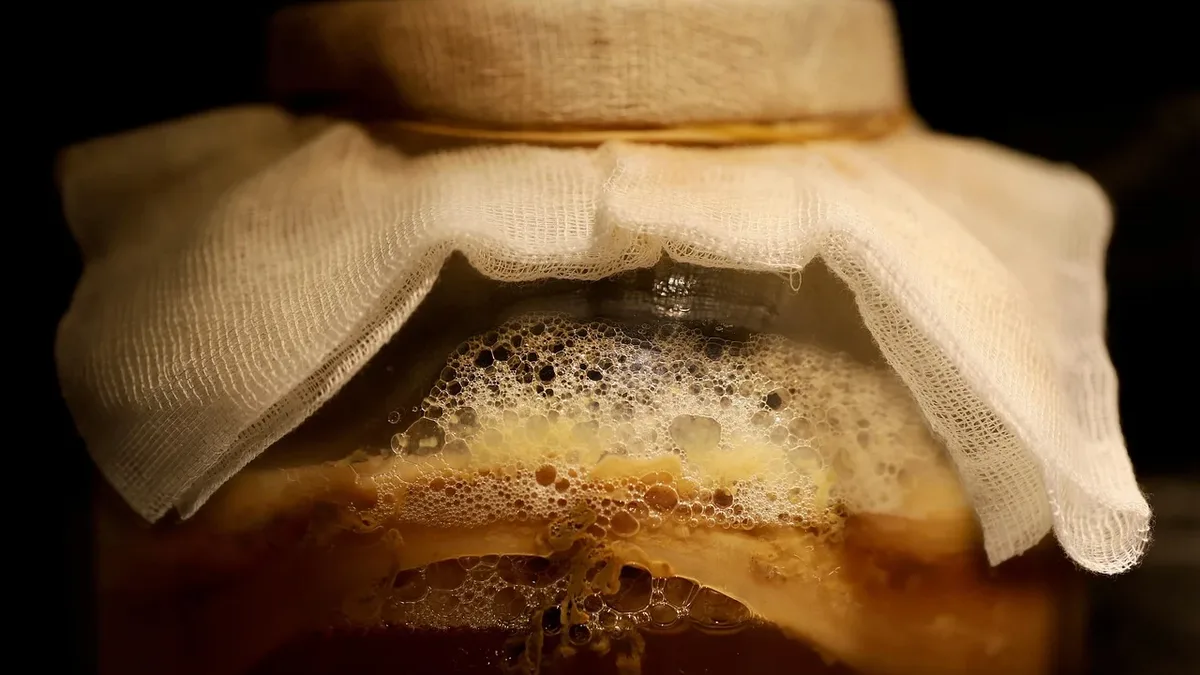
Fermentation
| Definition | A food preservation and transformation process using microorganisms. |
|---|---|
| Primary Agents | Yeasts, bacteria, and molds. |
| Key Byproducts | Acids, alcohols, gases. |
| Common Substrates | Sugars and carbohydrates. |
| Typical Conditions | Anaerobic or low-oxygen environments. |
| Primary Functions | Preservation, flavor development, nutrient enhancement. |
| Common Examples | Yogurt, sauerkraut, beer, sourdough bread. |
Overview
Fermentation is a metabolic process where microorganisms like bacteria, yeast, and molds break down carbohydrates in food and drink, producing compounds such as alcohol, lactic acid, and carbon dioxide. This ancient method of preservation has moved from a traditional kitchen craft and niche health practice to a widespread mainstream culinary movement. Its resurgence is driven by interests in gut health, artisanal food production, and do-it-yourself food culture. The movement encompasses a broad range of products, from globally recognized staples like yogurt, sourdough bread, and soy sauce to contemporary innovations like fermented hot sauces, kombucha, and kimchi. It represents a shift towards valuing live-culture foods and understanding food transformation at a microbial level. This mainstream adoption has made fermentation kits, dedicated cookbooks, and workshops common in urban centers and general grocery stores.
What to know
Successful fermentation requires managing the environment to favor beneficial microbes while inhibiting spoilage organisms, primarily through control of salinity, acidity, temperature, and oxygen exposure. The process naturally preserves foods by creating conditions hostile to pathogens, while also enhancing nutritional bioavailability and generating unique flavors and textures. Key categories include lactic acid fermentation for vegetables like sauerkraut and kimchi, alcoholic fermentation for beers and wines, and acetic acid fermentation for vinegar. It is crucial to distinguish between true wild fermentation, which relies on ambient microorganisms, and controlled fermentation using specific starter cultures. The safety of home fermentation hinges on understanding signs of successful fermentation versus spoilage, such as recognizing healthy carbonation versus mold growth. This knowledge demystifies the process and reduces reliance on commercially produced, often pasteurized, versions that lack live cultures.
Common questions
A prevalent question concerns safety and how to identify if a fermented product has gone bad, with concerns often focused on visible mold, unusual smells, or jar explosions. Many inquire about the necessity of specialized equipment, with the basic answer being that simple vessels, weights, and airlocks can suffice, though dedicated tools improve consistency. People often ask about the difference between pickling with vinegar and fermentation, with the key distinction being that fermentation creates its own preserving acids biologically. Questions about health benefits frequently arise, specifically regarding probiotics, digestive health, and the scientific evidence supporting claims about improved gut microbiome diversity. New practitioners commonly seek guidance on troubleshooting issues like lack of bubbling, overly soft vegetables, or excessively salty products. There is also significant interest in the time required for different ferments, ranging from days for some beverages to months or years for miso or certain cheeses.
Pros and cons
The primary benefits of fermentation include the creation of complex, umami-rich flavors unattainable through other cooking methods, along with the natural preservation of seasonal produce without artificial additives. It can enhance the digestibility and nutrient profile of foods, breaking down anti-nutrients and generating B vitamins and beneficial enzymes. Engaging in fermentation fosters a deeper connection to food processes and can reduce food waste. However, the process demands patience and consistent monitoring, with failures often discouraging beginners. Common mistakes include inadequate sanitation, incorrect salt ratios, or improper temperature control, leading to spoiled batches that must be discarded. Some individuals regret diving into large-batch or long-term projects without mastering fundamentals, resulting in wasted ingredients and effort. The sensory aspects of handling live cultures, such as distinctive aromas or the presence of kahm yeast, can also be unappealing or concerning to some.
Who it suits
This practice suits home cooks and gardeners who are curious about food science and enjoy hands-on, transformative kitchen projects that unfold over time. It appeals to individuals seeking to reduce their consumption of processed foods by creating pantry staples like condiments, preserves, and bread starters from whole ingredients. People with a specific interest in holistic nutrition and supporting their gut health through dietary means are often drawn to incorporating live fermented foods. It is a good fit for those comfortable with a degree of experimentation and uncertainty, as outcomes can vary with environmental conditions. The movement also attracts culinary professionals and artisans looking to develop signature flavors and textures for their products. However, it is less suited for those requiring immediate results, individuals with strict consistency requirements, or people who are uncomfortable with the biological realities of cultivating microorganisms.
Latest Fermentation news
Latest reporting

Perfect Day Re-emerges as a Stronger Business in the Animal-Free Dairy Sector
Perfect Day, a Californian startup, has spent two years in 'incognito mode' to address the cost and scalability challenges of precision fermentation...
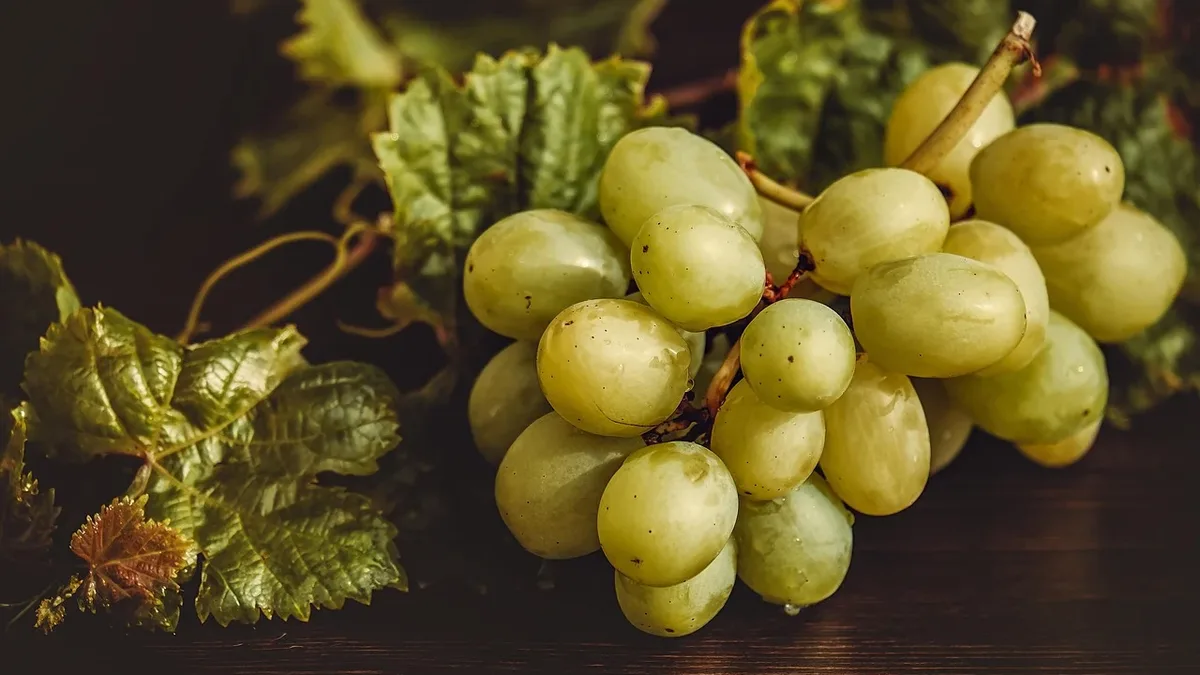
Nova Scotia Invests in Precision Fermentation Plant to Boost Client Capacity
The province of Nova Scotia is providing $1.2 million to the Verschuren Centre to expand its precision fermentation facility in Cape Breton, creating...
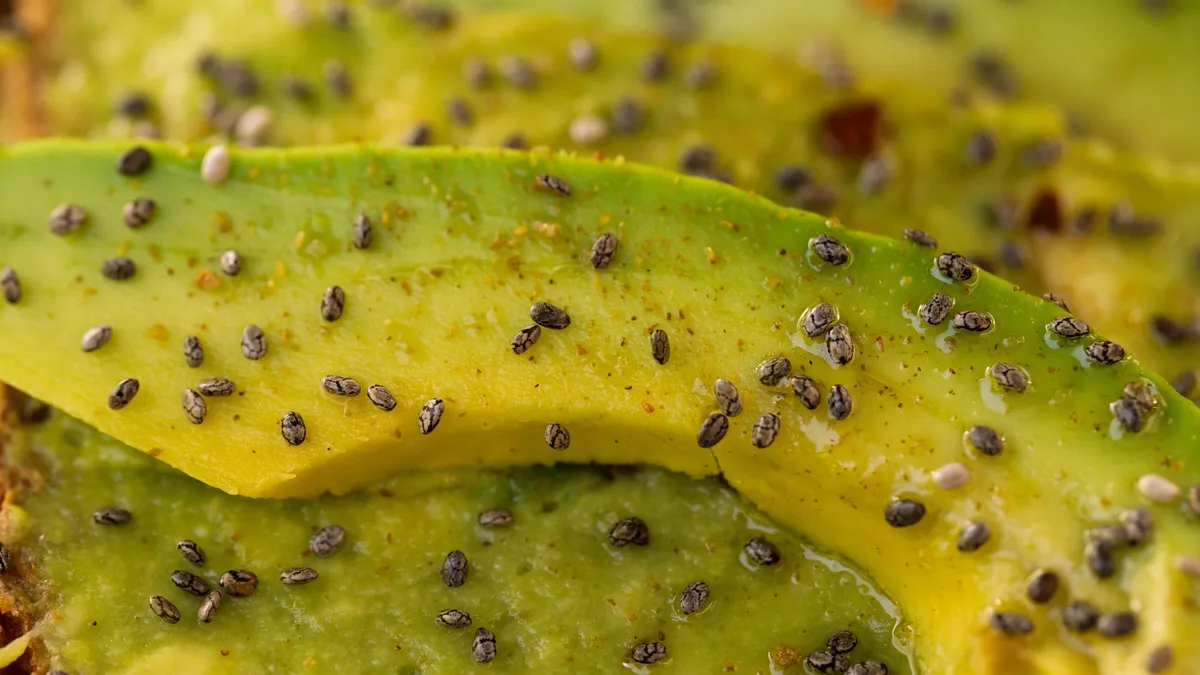
EU Approval for Fermentation-Derived Plant-Based Flavourings in Pet Food
German specialty chemicals company Wacker has secured EU approval for its fermentation-derived amino acids, which can be used as plant-based...