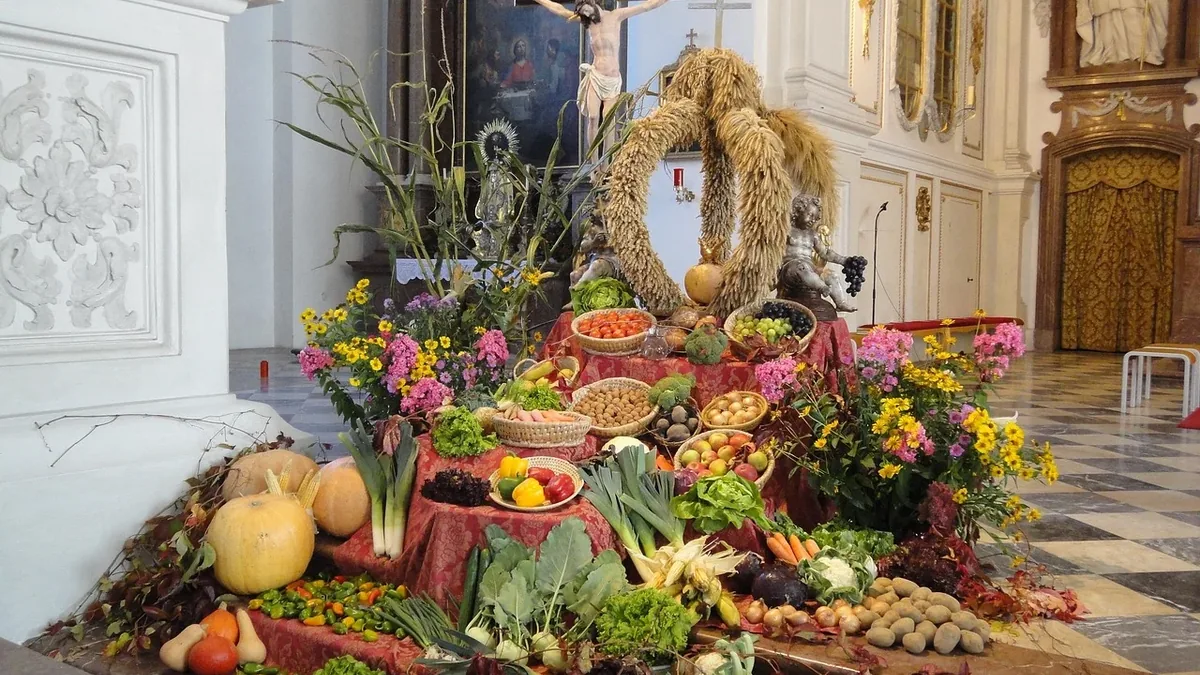
Festival And Ritual Food
| Original use | Ritual or ceremonial consumption |
|---|---|
| First documented | Varies by specific food |
| Shift | From sacred or communal ritual to mainstream consumption |
| Typical format | Often a prepared dish or symbolic item |
| Key characteristic | Symbolic meaning precedes nutritional function |
| Common shift trigger | Commercialization, diaspora influence, tourism |
| Preservation status | Traditional recipe often maintained alongside commercial variants |
Origin and history
Festival and ritual foods originate from every human culture and civilization, with no single point of origin, as their creation is coeval with the development of communal ceremonies and agricultural cycles. These foods are defined not by a specific recipe but by their function: to mark significant temporal, spiritual, or life-cycle events within a community. Their history spans millennia, with documented evidence from ancient Egypt, Mesopotamia, China, and Mesoamerica linking specific dishes to religious offerings, harvest celebrations, and rites of passage. The ingredients and forms are historically contingent, often evolving from locally available, seasonal, or symbolically significant resources that held meaning within a specific cultural context. Their primary purpose has consistently been to enact tradition, foster group identity, and connect the physical act of eating with metaphysical beliefs or social structures. The stability of these foods across generations serves as a living archive of cultural values, even as their forms adapt to changing circumstances and ingredients.
Ingredients
The ingredients for festival and ritual foods are exceptionally diverse, bound by symbolic meaning rather than a fixed culinary formula. Common thematic categories of ingredients include grains like rice, wheat, or maize, which often symbolize life, prosperity, and fertility. Sweeteners such as honey, dates, or sugar represent joy, celebration, and the desire for a sweet life. Specific animal proteins, like lamb, fish, or poultry, may be tied to sacrifice, purity, or commemorative events. Fruits and nuts, including pomegranates, figs, or almonds, frequently denote abundance, knowledge, or immortality. Spices and aromatics like saffron, cinnamon, or frankincense are used for their preciousness, fragrance, and connection to the divine or ceremonial. Dairy products, such as milk or butter, can symbolize nourishment, purity, and sustenance, completing a palette of ingredients chosen for their cultural resonance over mere flavor.
How to make it
The preparation of festival and ritual food is a prescribed process, often as important as the consumption, involving specific actions, timings, and participants. 1. First, identify the specific festival or ritual, as the protocol is entirely dictated by the tradition being observed. 2. Source the exact ingredients mandated by the tradition, which may involve using specific varieties, seeking ritually prepared items, or observing rules of purity. 3. Prepare the cooking space according to custom, which may involve cleaning, blessing, or segregating the area from everyday cooking. 4. Execute the preparation method precisely, which could involve techniques like steaming, baking, frying, or fermenting at a designated time. 5. Shape or form the food as required, as the visual symbolism of shapes like rings, circles, or figures is often critical. 6. Involve the correct participants in the process, which may be restricted to certain family members, community elders, or religious figures. 7. Present the finished dish in the ordained manner, using particular serving vessels, at a specific point in the ceremony, and with accompanying words or actions.
Variations and serving
Variations in festival and ritual foods occur primarily across geographical, religious, and ethnic lines, representing localized interpretations of a shared symbolic theme. For example, bread for communion varies from a wafer in Western Christian rites to leavened bread in Eastern Orthodox traditions, while mooncakes for the Mid-Autumn Festival differ in filling and crust style between Chinese regions. Serving is never casual; it follows strict protocols that dictate the order of recipients, the direction of serving, and the pairing with other ceremonial elements like prayers, songs, or toasts. The timing of service is locked to the ritual calendar, such as only at sunset during Ramadan for Iftar, or specifically on the altar before community distribution. Portions are often symbolic, with everyone receiving an equal piece to signify unity or a specific portion denoting status or role. Leftovers may be treated with special reverence, requiring specific disposal methods or being shared as a blessed gift, rather than simply stored as ordinary food.
Overview
Festival and ritual food constitutes a category of comestibles whose primary reason for existence is symbolic and communal, transcending basic nutrition. These foods operate as edible symbols, encoding stories, values, and cosmological beliefs into a form that can be literally incorporated by participants. Their consumption is a performative act that reinforces memory, solidifies social bonds, and reaffirms an individual's place within a cultural continuum. The shift of such foods from margin to mainstream occurs when they migrate outside their original context, often through diaspora communities, cultural curiosity, or commercial appropriation, becoming available in everyday settings. When this happens, the food often retains its symbolic name and form but is detached from its prescribed ritual procedure, temporal setting, and communal obligation. This mainstreaming can lead to both broader appreciation and a dilution of meaning, transforming a sacred or obligatory act into a choice-based culinary experience.
What to know
A critical thing to know is that the authenticity of these foods is inextricably linked to their context of consumption, not merely their recipe. Preparing a ritual food outside of its ceremonial time, without its accompanying actions, and for personal gratification fundamentally alters its nature from a ritual object to a recipe recreation. The recipes are often resistant to substitution, as changing an ingredient for convenience can strip away the symbolic meaning that was the ingredient's entire purpose. Many such foods require significant labor, specialized knowledge, or rare ingredients, making their commercialized versions often simplified approximations. Engaging with these foods respectfully involves understanding their provenance and significance, rather than treating them as exotic menu items. Furthermore, the mainstream adoption of these foods can sometimes lead to controversy regarding cultural appropriation, where symbols of deep religious or cultural significance are used for secular profit or trendiness without understanding or respect.
Common questions
A common question is whether one can make and eat festival food outside of the festival time, to which the answer is that it transforms the dish from a ritual act into a secular meal, which may be acceptable or frowned upon depending on the specific tradition. People often ask if they can substitute hard-to-find ritual ingredients, which generally undermines the dish's symbolic purpose, though some traditions allow for necessary adaptations. Many inquire about the shelf life or storage of these foods, which is often secondary to their immediate ceremonial use, though some are specifically designed for longevity as offerings or gifts. A frequent question from outsiders is about the "taste," which can be misleading, as the primary design goal is symbolic fidelity, not palatability by universal standards, and some may taste unfamiliar or intense. People also ask how to serve these foods at multicultural events, where the best practice is to explain their significance briefly to provide context, rather than presenting them as mere snacks. Finally, there is often curiosity about the oldest known festival food, which is impossible to pinpoint, as food remains from archaeological sites suggest ceremonial use of specific meats and grains dating back tens of thousands of years.
Pros and cons
These foods often preserve ancient culinary techniques and heirloom ingredients that might otherwise be lost, acting as a living museum of cultural knowledge. For the mainstream adopter, they offer an authentic gateway to understanding other cultures through a direct, sensory experience beyond academic study. A significant con is that when prepared or consumed incorrectly outside their context, they can become a hollow gesture, reducing profound symbolism to a trendy aesthetic or a misunderstood dish. The common mistake is focusing solely on replicating the recipe while ignoring the prescribed actions, timing, and intentionality, which are the true sources of the food's significance. Many who attempt to integrate these foods into a secular, modern lifestyle regret the sheer complexity and time commitment, finding the strict protocols at odds with contemporary convenience, leading to abandonment or a diluted, inauthentic practice.
Who it suits
This category of food inherently suits members of the culture or religion for whom it is prescribed, as it fulfills a devotional or communal obligation and reinforces identity. It suits anthropologists, historians, and serious culinary students who are studying the intersection of food, culture, and belief systems with a respectful, analytical approach. Dedicated home cooks seeking a deep, project-oriented culinary challenge that involves research, sourcing, and precise technique may find the process rewarding. It does not suit those looking for quick, convenient weeknight meals or individuals uninterested in the cultural narrative behind their food, as the effort will feel disproportionate to the result. Furthermore, it suits event organizers aiming to create a genuinely immersive cultural experience, provided they consult deeply with cultural practitioners to avoid superficial or offensive representation. Ultimately, it best suits those who approach food as a carrier of meaning and are willing to engage with the rules and stories that make it more than mere sustenance.
Latest Festival And Ritual Food news
Latest reporting

Biotech Open Platform launches precision
A €20 million industrial-scale precision fermentation facility has opened in Clermont-Ferrand, France, to help startups scale sustainable food...
Vegan Society of Ireland urges plant-based fund in Budget
The Vegan Society of Ireland is calling for a state-backed Plant-Based Food Fund and national strategy in Budget 2027 to reverse the collapse of...
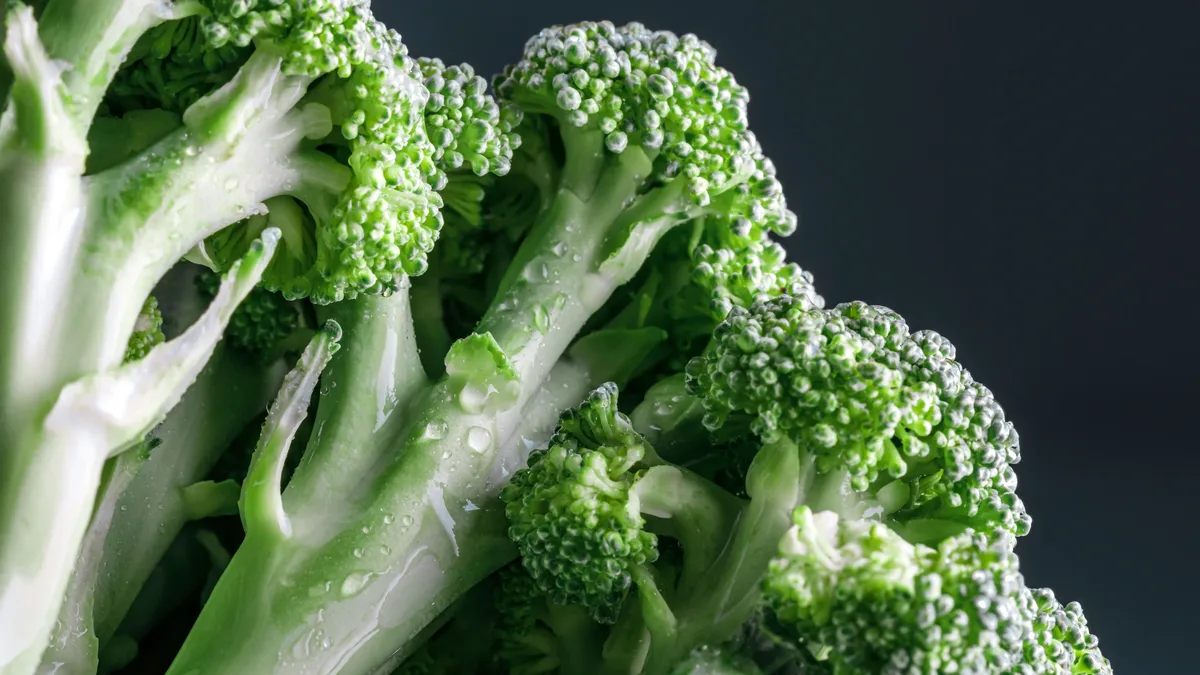
UPP and Betta Choc Named Runners-Up for Upcycled Food Tech
UPP and Betta Choc were joint runners-up at the EMEA Global Food Tech Awards in London for turning broccoli waste and date seeds into scalable...
Gosh Expands Super Plants Range with Fibre-Rich Burgers
Gosh launches two high-fibre, whole-food veggie burgers into Tesco, responding to UK demand for protein, plant diversity, and minimally processed...
China's Pinggu Consensus Aims to Transform Food with AI
At the World Agri-Food Innovation conference, Chinese officials published the Pinggu Consensus, a six-point plan to green the food system using AI and

GLP-1 Drugs Reshape Food M&A Valuations
The rise of GLP-1 weight-loss drugs is influencing mergers and acquisitions in the food industry, with buyers scrutinizing snack and bakery assets for