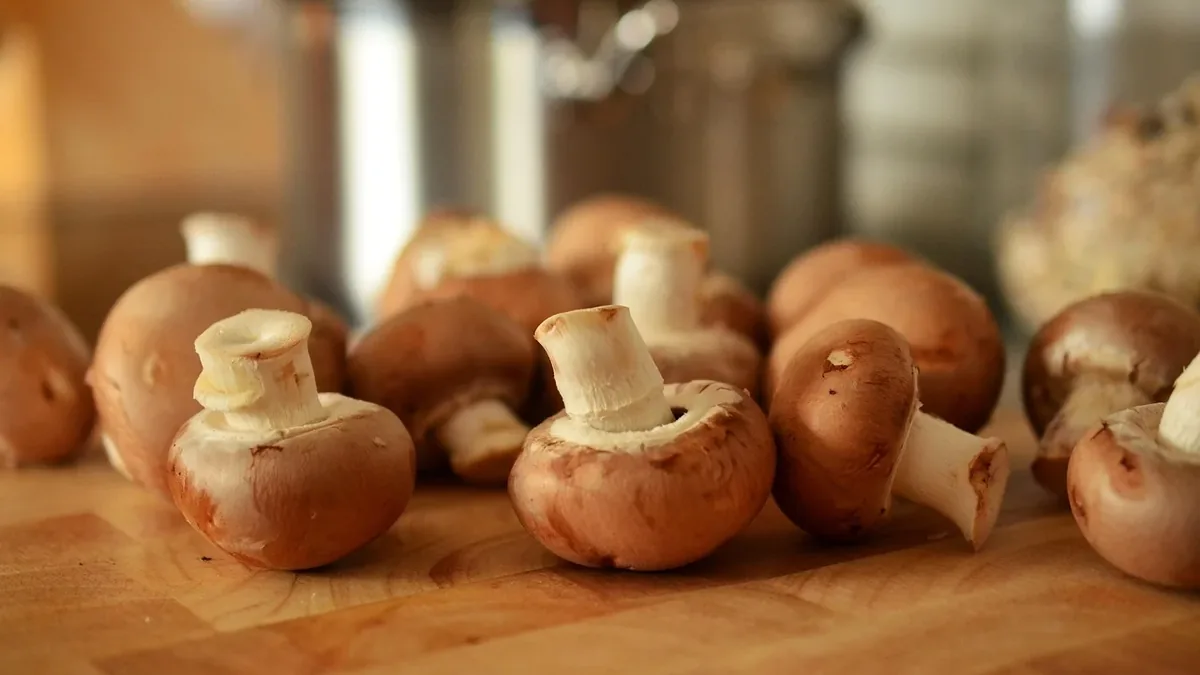
Mushrooms And Mycelium
| Primary format | Dried powder, capsules, extracts |
|---|---|
| Original use | Traditional medicine and culinary use |
| First documented | Antiquity (multiple ancient cultures) |
| Key compounds | Beta-glucans, ergosterol, polysaccharides |
| Common species | Reishi, Lion's Mane, Cordyceps, Shiitake |
| Cultivation method | Grown on substrate (e.g., grain, wood) |
| Part used | Fruiting body and/or myceliated biomass |
Origin and history
Mushrooms, the fruiting bodies of fungi, have been foraged and consumed by humans across all continents for millennia, with evidence of use dating back to prehistoric times. Mycelium, the vegetative network of fungal threads, has a concurrent history of use, particularly in traditional Eastern medicine and for soil cultivation. The deliberate cultivation of mushrooms, as opposed to foraging, is documented in Asia as early as the first few centuries AD, with methods for growing shiitake on logs developed in China and Japan. The scientific study and controlled cultivation of mycelium itself, separate from mushroom production, accelerated in the mid-20th century with advances in microbiology and fermentation technology. The contemporary concept of "Mushrooms and Mycelium" as a paired functional ingredient reflects a modern synthesis of ancient knowledge with biotechnological processes. This shift from viewing fungi solely as food to valuing the whole organism for its biochemical properties gained significant commercial traction in the late 20th and early 21st centuries.
Ingredients
Fresh or dried mushroom fruiting bodies (e.g., Shiitake, Reishi, Lion's Mane, Maitake) Pure mycelial biomass, typically grown on a sterile grain substrate Water or another liquid extraction medium (for teas, tinctures, or broths) Optional: Additional herbs or botanicals for synergistic blends (like astragalus or ginger) Optional: A carrier for powdered forms, such as rice flour or inulin fiber Optional: Natural flavorings to offset earthy tastes in consumable products
How to make it
- Source certified organic mushroom fruiting bodies and/or pure mycelium biomass from a reputable supplier. 2. For a dual-extraction tincture, finely chop dried mushrooms and combine with mycelium biomass in a high-proof alcohol. 3. Seal the mixture and store it in a cool, dark place for several weeks, shaking the container periodically. 4. Strain the liquid from the solid material, reserving the marc (the leftover plant matter). 5. Simmer the marc in water for several hours to create a decoction, then strain and combine this water extract with the alcohol tincture. 6. For powdered supplements, dehydrate mushrooms and mycelium separately at low temperatures, then grind and blend them into a fine powder. 7. Encapsulate the powder or simply mix it into foods or beverages as needed.
Variations and serving
Mushroom and mycelium products are consumed as hot water extracts like teas and coffees, often blended with other adaptogens. Tinctures and liquid extracts offer concentrated, alcohol-based delivery methods typically taken sublingually or added to water. Powders are versatile and can be mixed into smoothies, soups, stews, or baked goods for a nutritional boost. Whole dried mushrooms are used in culinary dishes, broths, and long-simmering soups to impart flavor and bioactive compounds. Functional foods and beverages, such as snack bars, chocolates, and ready-to-drink elixirs, incorporate mushroom and mycelium extracts for convenience. Topical applications include skincare formulations containing mycelium extracts for their purported soothing and antioxidant properties.
Overview
Mushrooms and mycelium represent the two primary morphological stages of fungi, each harnessed for distinct and complementary nutritional and functional profiles. The shift from niche health stores to mainstream wellness aisles is driven by growing consumer interest in adaptogens, gut health, and sustainable bio-ingredients. Mycelium is valued for its dense network producing unique metabolites, often processed into extracts to standardize specific compounds like beta-glucans. Mushroom fruiting bodies are utilized both for their culinary appeal and for their own spectrum of vitamins, minerals, and bioactive molecules. The commercial market now differentiates between products made from mushroom fruit bodies, pure mycelium grown on grain, and full-spectrum blends of both. This ingredient category sits at the intersection of traditional herbalism, modern nutrition science, and mycology, appealing to a broad audience seeking holistic health supports.
What to know
Product labels require careful scrutiny, as the terms "mushroom" and "mycelium" are not always used with precision. Some products labeled as mushroom may consist largely of myceliated grain substrate, which dilutes the concentration of fruit-body-specific compounds. The extraction method is critical; many beneficial compounds, particularly those in chitinous cell walls, are not bioavailable without hot water or alcohol extraction. Regulatory frameworks for dietary supplements vary globally, meaning potency, purity, and claims are not uniformly verified by third parties. Environmental sustainability is a frequent selling point, as fungal cultivation generally requires less land and water than traditional agriculture. Individuals with mold allergies or sensitivities should exercise caution, as fungal products can potentially trigger reactions.
Common questions
What is the difference between a product made from mushroom fruit bodies and one made from mycelium? Fruit body products utilize the harvested mushroom, while mycelium products use the root-like network, often grown in fermentation tanks. Are mushroom and mycelium supplements safe for everyone? While generally considered safe for most adults, they can interact with certain medications, such as blood thinners, and are not recommended during pregnancy without medical advice. Do cooking mushrooms destroy their beneficial compounds? Some heat-sensitive nutrients may degrade, but many desired polysaccharides are effectively extracted through cooking, which also breaks down chitin. Why are some mushroom coffees and elixirs so expensive? The cost reflects intensive cultivation, careful processing, extraction procedures, and often organic certification, alongside market positioning. Can I grow my own medicinal mushrooms for consumption? Yes, many species can be cultivated at home using kits or logs, but producing standardized extracts requires specific equipment and knowledge. Is mycelium just a filler in some supplements? When mycelium is grown on grain and the final product includes the grain substrate, it can dilute potency, making the source and processing method key quality indicators.
Pros and cons
A significant advantage is the diverse range of bioactive compounds, from immune-supporting beta-glucans to potentially neuroprotective erinacines found in mycelium. The production model is often more sustainable than plant or animal agriculture, utilizing agricultural byproducts as substrate. A common drawback is market confusion and inconsistent quality, where consumers pay a premium for products with undisclosed filler material or ineffective extraction methods. Many users regret choosing the cheapest option without researching the brand's transparency regarding biomass content and extraction ratios. The earthy, sometimes bitter flavor profile is unappealing to some, leading to wasted purchases of flavored powders or capsules that are never finished. A frequent mistake is self-prescribing high doses for specific medical conditions without professional guidance, overlooking potential interactions or the fact that these are food-based supplements, not pharmaceuticals.
Who it suits
This ingredient suits individuals interested in functional nutrition and incorporating holistic, food-based wellness supports into their daily routine. It appeals to environmentally conscious consumers seeking plant-based and sustainably produced alternatives to synthetic supplements. Athletes and fitness enthusiasts may utilize certain mushroom varieties, like Cordyceps, for their purported energy and endurance benefits. People managing general life stress often explore adaptogenic mushroom blends, such as those containing Reishi, for their calming properties. It is suitable for home cooks and culinary experimenters who enjoy using dried mushrooms and mushroom powders to enhance the flavor and nutritional profile of meals. It is less suited for individuals with severe mold allergies, those expecting immediate pharmaceutical-grade effects, or consumers unwilling to invest time in researching reputable brands.
Latest Mushrooms And Mycelium news
Latest reporting
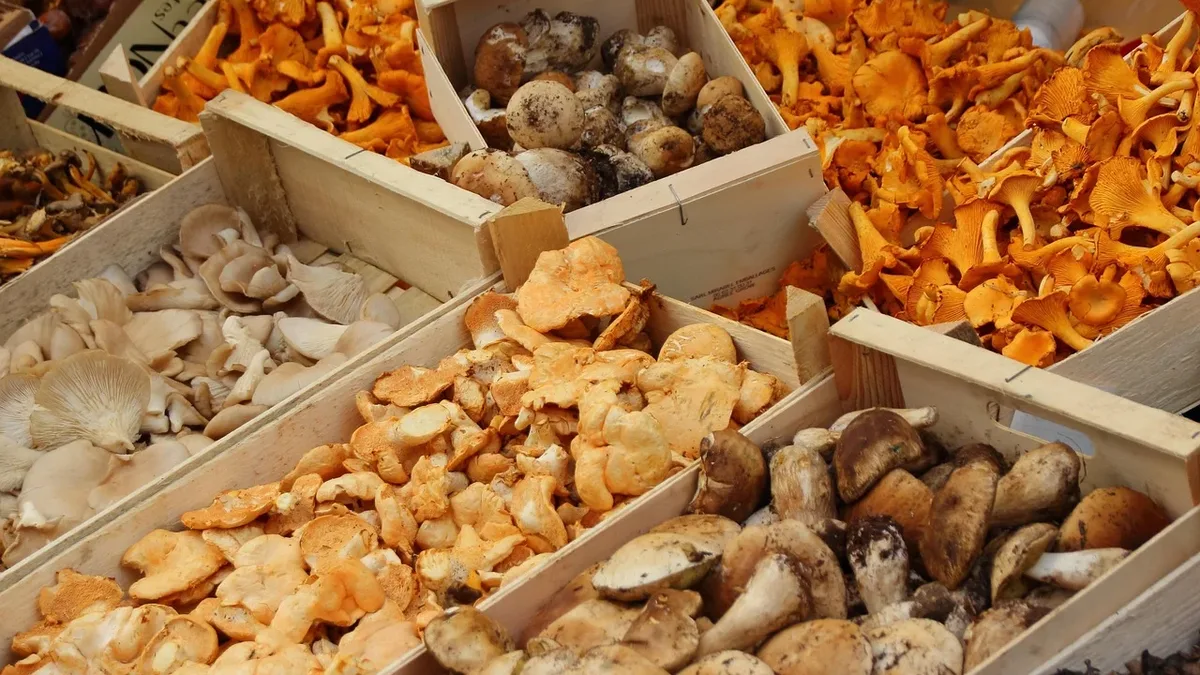
Fermented Okara Oyster Mushroom Protein Boosts Umami
NTU Singapore researchers used oyster mushroom mycelium to ferment okara, a soy byproduct, raising its protein content to over 30% and improving its...
Mycelium's Future Beyond Meat at Food Ingredients Europe
A panel at Food Ingredients Europe 2026 will explore mycelium's potential to move beyond meat alternatives into new food categories, driven by its
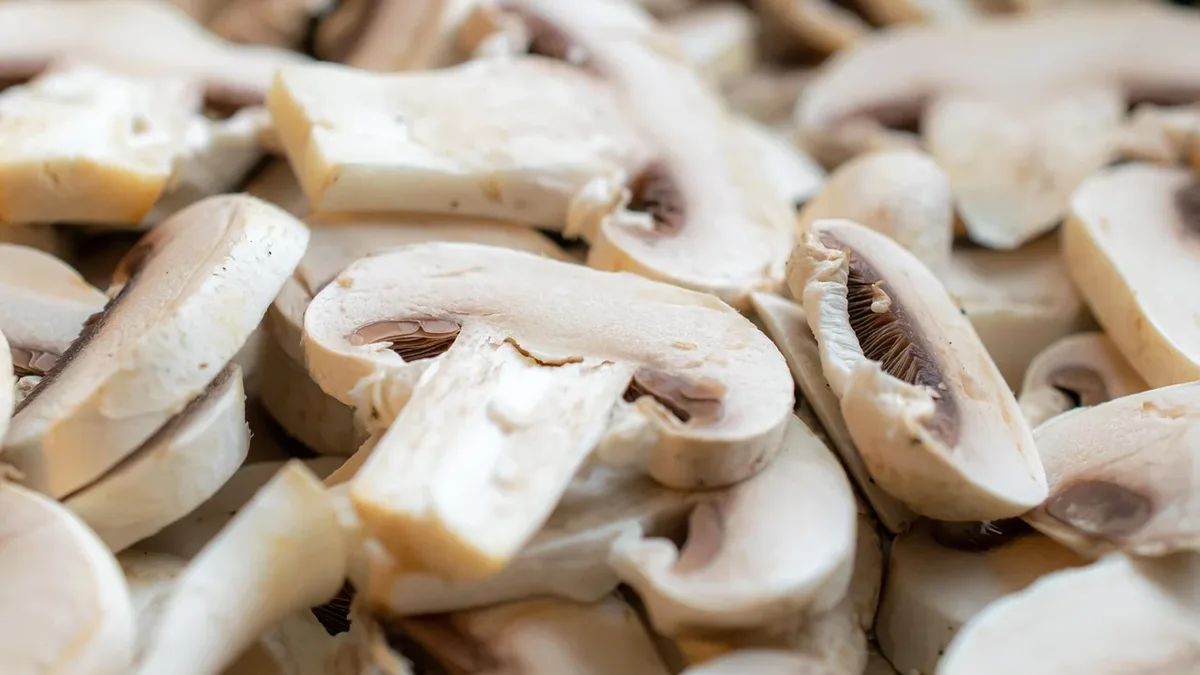
Mushroom Squared shifts from meat mimics to functional whole
Mushroom Squared is pivoting from plant-based meat to develop minimally processed, functional protein products centered on mushrooms, targeting...
Finnish Researchers Develop Scalable Method for Producing Mycelium Leather
A government-backed project in Finland has created a new way to make large amounts of mycelium leather, enabling large-scale production of the...
Millow Secures €2M to Launch Clean-Label Meat Alternative from Oats & Mycelium
Swedish food tech startup Millow has secured €2M in funding to expand production of its low-water oat and mycelium protein, which it will initially...