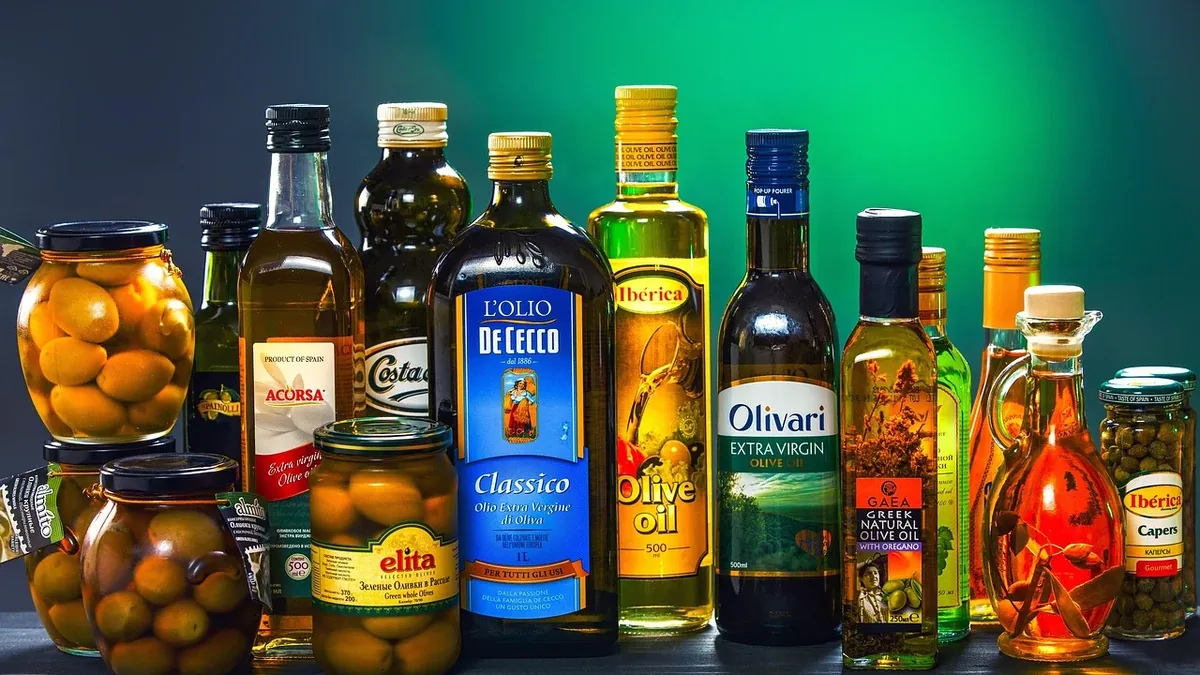
Regional Oils And Fats
| Common name | The specific oil or fat (e.g., Argan oil, Duck fat, Shea butter) |
|---|---|
| Botanical/Source name | The scientific name of the plant or animal source |
| Primary extraction method | The standard process for obtaining the oil or fat (e.g., Cold-pressed, Rendered, Centrifuged) |
| Typical smoke point | The temperature range at which the oil begins to break down and smoke |
| Dominant fatty acid profile | The primary type(s) of fatty acids present (e.g., High in oleic acid, Rich in saturated fats) |
| Traditional cuisine/region | The culinary tradition or geographic area of historic use |
| Original use | The primary traditional purpose (e.g., Culinary, Cosmetic, Medicinal, Preservation) |
Origin and history
Regional oils and fats refer to edible lipids derived from plants, animals, or fish that are historically tied to specific geographic areas and their traditional cuisines. For instance, olive oil has been central to Mediterranean cultures since at least 3000 BCE, while coconut oil has been a staple in tropical coastal regions of South Asia and the Pacific for a similar duration. In West Africa, red palm oil pressed from the fruit of the *Elaeis guineensis* tree has been a fundamental cooking ingredient and cultural symbol for generations. The use of animal fats like lard in Europe, tallow in pastoral societies, and schmaltz in Eastern European Jewish cuisine developed from the necessity of utilizing all parts of slaughtered animals. These fats were not merely ingredients but integral to food preservation, flavor, and nutritional survival within their local ecosystems long before global trade.
Ingredients
The category is defined by its source material, which is a single, regionally significant raw product. Olive oil, from the fruit of the *Olea europaea* tree. Coconut oil, from the meat of mature coconuts (*Cocos nucifera*). Red palm oil, from the mesocarp of the oil palm fruit (*Elaeis guineensis*). Sesame oil, from pressed sesame seeds (*Sesamum indicum*), particularly associated with East Asian and South Asian cuisines. Argan oil, from the kernels of the argan tree (*Argania spinosa*) endemic to Morocco. Lard, rendered pork fat. Schmaltz, rendered chicken or goose fat. Ghee, clarified butter originating from the Indian subcontinent. Dripping, the fat rendered from roasted beef or mutton. Tallow, rendered beef or mutton suet. Shea butter, from the nuts of the *Vitellaria paradoxa* tree in West Africa.
How to make it
The production method varies fundamentally by source, but traditional extraction focuses on mechanical means. 1. For plant-based oils like olive, argan, or coconut, the first step is harvesting and cleaning the fruit, nut, or seed. 2. The material is then prepared, which may involve crushing olives into a paste, drying and grating coconut meat, or cracking argan nuts to extract kernels. 3. Mechanical pressing, often using a stone mill or screw press, is applied to the prepared material to extract the crude oil or fat. 4. The resulting liquid is then separated from solid matter, typically through settling, filtration, or centrifugation. 5. For some oils like extra virgin olive oil, no further refining occurs; for others, the crude oil may undergo refining, bleaching, and deodorizing. 6. Animal fats like lard, tallow, and schmaltz require a process of rendering, where raw fatty tissues are chopped and gently heated. 7. During rendering, the fat melts and is separated from the remaining protein solids, which become cracklings. 8. The clear, liquid fat is then strained through cloth or a fine sieve to remove all impurities and stored.
Variations and serving
Variations exist within each type, defined by processing, grade, and regional style, such as the spectrum from robust extra virgin to refined light olive oil. Coconut oil varies between unrefined, virgin oil with a distinct coconut aroma and neutral-tasting refined oil. Palm oil distinctions are crucial, with unrefined red palm oil retaining nutrients and a deep color versus refined, bleached palm oil used for industrial frying. Animal fats differ based on the animal's diet and the specific part rendered, influencing flavor, as with leaf lard from around the kidneys prized for pastry. Serving is inherently as a cooking medium: olive oil for sautéing and dressings, lard for pie crusts and frying, schmaltz for frying potatoes and enriching chopped liver, ghee for high-heat Indian curries and frying. They are also used as flavoring finishers, like a drizzle of toasted sesame oil on noodles or argan oil on couscous, and as foundational ingredients in traditional confections and baked goods.
Overview
Regional oils and fats are foundational lipids whose identity is inextricably linked to the geography, agriculture, and food heritage of their place of origin. Their shift from margin to mainstream is driven by globalization, culinary curiosity, and a reevaluation of traditional fats in modern nutrition. Once confined to local kitchens or ethnic grocery stores, many now occupy shelf space in international supermarkets, celebrated for their distinct flavors and purported health properties. This movement is not a singular trend but a collection of parallel shifts, with each oil or fat following its own trajectory from regional staple to global ingredient. The mainstreaming process involves adaptation, where traditional uses are sometimes supplemented or replaced by novel applications in fusion cuisine and health-focused products. Their increased availability represents a diversification of the culinary fat pantry beyond globally dominant refined seed oils, reconnecting consumption with specific terroir and tradition.
What to know
A critical point is that "regional" often implies traditional, small-scale production methods that may be at odds with the industrial scale required for mainstream supply, potentially altering quality and ethics. The environmental impact, particularly with palm oil, is a major consideration, as demand can drive deforestation and habitat loss if not sourced from certified sustainable operations. Nutritional profiles are highly diverse and a subject of evolving science; for example, the high saturated fat content of coconut oil is debated, while the monounsaturated fats in olive oil are widely endorsed. Flavor is a primary attribute, and these fats are often chosen not as neutral mediums but as active flavor contributors, meaning substitutions in recipes will alter the dish's character fundamentally. Authenticity and labeling are complex, with terms like "cold-pressed" or "virgin" having legal definitions for some oils like olive oil but being less regulated for others. Their stability and smoke points vary greatly, directly determining their suitability for different cooking techniques, from low-heat drizzling to deep frying.
Common questions
Is red palm oil the same as the palm oil linked to deforestation? They are from the same plant species but often differ; red palm oil is typically less refined and may be sourced from smaller-scale, traditional operations, though sustainability checks remain essential. Can I substitute extra virgin olive oil for butter in baking? While possible in some recipes like quick breads, the distinct flavor and different fat composition will change texture and taste, and it is not a direct swap for laminated pastries. Why is lard considered good for pastry? Lard has large, stable fat crystals and a high melting point, which creates flaky, tender layers in pie crusts by preventing gluten overdevelopment and creating steam pockets during baking. Is ghee lactose-free? The clarification process removes milk solids, including most of the lactose and casein, making it tolerable for many with lactose intolerance, though not suitable for a dairy allergy. How should I store nut and seed oils? Oils high in polyunsaturated fats, like sesame oil, are prone to rancidity and should be stored in dark, cool cabinets or refrigerated after opening to preserve freshness. What is the smoke point of avocado oil? Cold-pressed, unrefined avocado oil has a moderate smoke point around 250°C (480°F), while refined versions can exceed 270°C (520°F), making it versatile for high-heat cooking.
Pros and cons
A significant pro is the introduction of unique, irreplaceable flavors and textures into cooking that generic vegetable oils cannot provide, elevating dishes with a sense of place. Many regional fats, like olive oil and those from nuts, retain higher levels of naturally occurring antioxidants and phytonutrients due to less intensive processing. Their use supports agricultural diversity, traditional farming knowledge, and, when ethically sourced, can provide economic stability for specific producer communities. A primary con is cost and accessibility, as authentic, high-quality versions are often significantly more expensive and harder to find than mass-produced alternatives. The common mistake is treating them as interchangeable; using a strongly flavored oil like unrefined sesame or coconut where a neutral fat is required can ruin a dish. Users often regret choosing a regional fat without understanding its smoke point, leading to burnt, acrid food, or purchasing a low-quality, adulterated product that fails to deliver the expected flavor. The environmental and ethical footprint, particularly for palm and some coconut oils, can be a serious drawback if supply chains are not transparent and sustainably managed.
Who it suits
This category suits adventurous home cooks and professional chefs seeking authentic flavor profiles for specific regional cuisines, such as using ghee for Indian dishes or schmaltz for Ashkenazi Jewish recipes. It appeals to individuals interested in diversifying their dietary fat sources beyond common seed oils, often motivated by nutritional research or a "whole foods" approach to eating. People with specific dietary tolerances may find options here, such as those avoiding dairy who can use ghee or those on certain ancestral diets prioritizing animal fats. It is well-suited for artisans and food producers who value traceability, terroir, and traditional production methods in their ingredients. However, it is less suited for budget-focused cooks who require a single, inexpensive, neutral-fat workhorse for all kitchen tasks, or for those unwilling to research sourcing to avoid ethically questionable products. It also may not suit beginners who are not yet comfortable controlling heat or understanding how fat interacts with other ingredients, as misuse can lead to disappointing results.
Latest Regional Oils And Fats news
Latest reporting

PepsiCo's Global Strategy for Young Farmers
PepsiCo is running multiple regional programs to address the aging global farming population, citing business and food security risks.
Plenish Launches Clean Protein Oat Drink
Plenish has launched a high-protein oat drink in Tesco, containing 10g of protein per serving with only four ingredients and no oils or additives.

Carbon-Derived Fats Slash Emissions by Up to 98% in Independent LCA
A new independent life-cycle assessment confirms that Savor’s carbon-derived fats can cut emissions by 50-98% compared to conventional fats and oils...