Rice Varieties And Grain
| Common names | Short-grain, Medium-grain, Long-grain, Aromatic, Glutinous |
|---|---|
| Appearance | White, Brown, Red, Black |
| Grain length | Short (<5.5mm), Medium (5.5-6.6mm), Long (>6.6mm) |
| Cooked texture | Sticky/clumpy to separate/fluffy |
| Original use | Staple food crop |
| Processing state | Whole grain (brown) or milled (white) |
| Key culinary uses | Steamed, boiled, pilaf, risotto, sushi, pudding |
Origin and history
Rice cultivation originated in Asia, with the domestication of the Oryza sativa species occurring in the Yangtze River basin of China approximately 9,000 to 10,000 years ago. A separate species, Oryza glaberrima, was later domesticated independently in West Africa around 3,000 years ago. For millennia, rice remained a staple crop within these and other specific regions, with distinct varieties developed and prized in local cuisines, such as Arborio in Italy, Basmati in the Indian subcontinent, and Jasmine in Southeast Asia. The global trade of rice began to expand significantly during the colonial era, particularly from the 18th century onward, as European powers established plantations. The late 20th century saw a marked increase in the international availability of diverse rice varieties outside their native regions, driven by globalization and immigration. The recent mainstream shift involves consumers in Western markets moving beyond generic white rice to actively seek out and differentiate between specific grain types for their unique culinary properties.
Ingredients
Long-grain white rice (e.g., Basmati, Jasmine) Long-grain brown rice Medium-grain white rice (e.g., Calrose) Short-grain white rice (e.g., Japanese sushi rice) Short-grain brown rice Specialty glutinous rice (also called sticky or sweet rice) Arborio or Carnaroli rice (for risotto) Black rice (also called forbidden rice) Red rice (e.g., Camargue red rice) Wild rice (an aquatic grass, not true rice) Water or broth Salt (optional)
How to make it
- Measure the desired amount of rice and place it in a fine-mesh strainer. 2. Rinse the rice under cold running water, agitating it with your fingers, until the water runs mostly clear to remove excess surface starch. 3. Transfer the rinsed rice to a heavy-bottomed pot with a tight-fitting lid. 4. Add the appropriate volume of water or broth according to the specific rice variety's instructions, typically a ratio between 1:1 and 2:1 liquid to rice. 5. Optionally, add a pinch of salt to the pot. 6. Bring the pot to a vigorous boil over high heat, then immediately reduce the heat to the lowest possible setting. 7. Cover the pot securely and let the rice simmer undisturbed for the time specified for that grain type, usually between 15 to 45 minutes. 8. Once the cooking time is complete, remove the pot from the heat and let it sit, still covered, for an additional 5 to 10 minutes to allow residual steam to finish the cooking. 9. Uncover the pot and fluff the cooked rice gently with a fork before serving.
Variations and serving
The culinary application of rice is defined by its variety, with short-grain rices like Arborio being essential for creating the creamy texture of Italian risotto through constant stirring and gradual broth addition. Short-grain Japanese varieties are specifically processed and cooked for sushi, possessing a sticky consistency that holds shape when cold, while Thai sticky rice is steamed for use in both savory and sweet dishes. Long-grain varieties like Basmati and Jasmine are prized for their separate, fluffy grains and aromatic qualities, serving as the ideal bed for curries, stir-fries, and pilafs. Brown rice of any length offers a chewier texture and nuttier flavor due to the retained bran layer, requiring longer cooking times and more liquid than its polished white counterparts. Heirloom varieties like black or red rice contribute striking color, a distinct earthy flavor, and a firmer bite, often used in salads, bowls, or as a side dish for visual and nutritional contrast. Wild rice, with its long, slender grains and robust flavor, is frequently blended with other rices or used in stuffings and soups to add textural variety and a deep, toasted note.
Overview
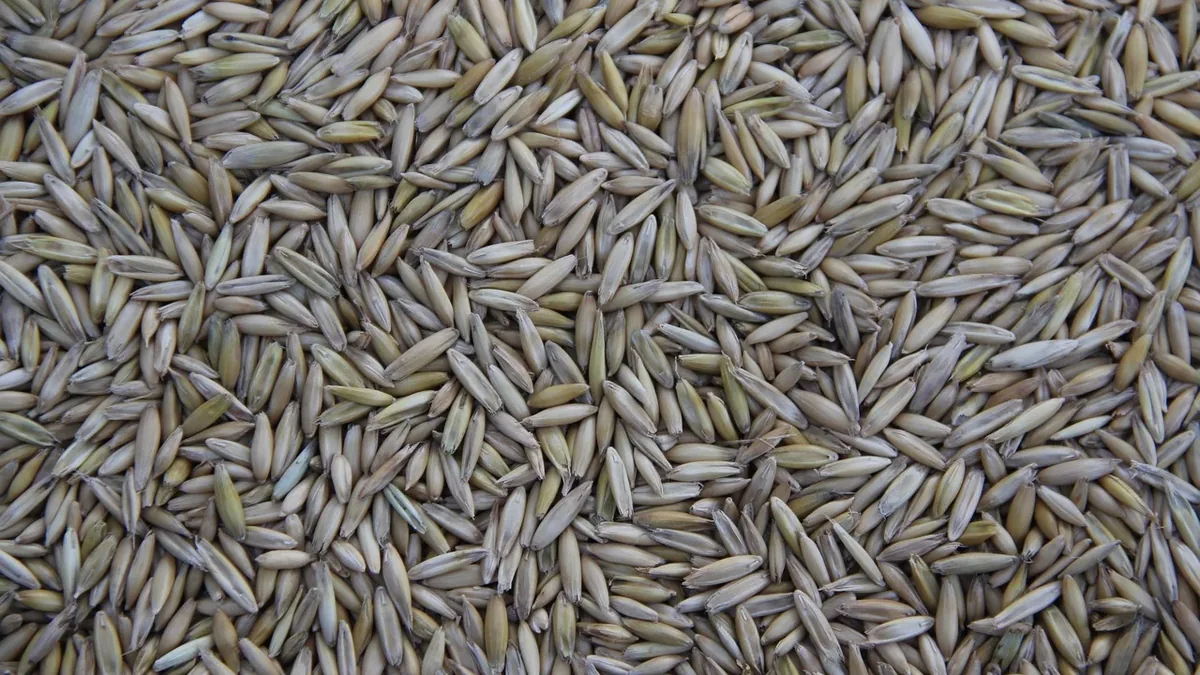
Rice refers to the edible starchy grains harvested from several species of grass, primarily Oryza sativa (Asian rice) and Oryza glaberrima (African rice), with numerous cultivated varieties within each species. The fundamental distinction between types lies in grain length (short, medium, long), starch composition (amylose and amylopectin content), and the degree of milling, which determines if it is brown, white, or parboiled. Each variety possesses specific physical characteristics, such as aroma, stickiness, and grain integrity after cooking, that dictate its traditional and optimal culinary uses. The shift from a generic commodity to a differentiated pantry category reflects a growing consumer interest in authentic regional cooking, nutritional diversity, and textural experimentation in home kitchens. This mainstream awareness means recipes now frequently specify a particular rice type, recognizing that substituting one for another can fundamentally alter a dish's outcome. The category now encompasses a spectrum from everyday staples to premium, geographically indicated grains, valued for their unique functional and sensory properties.
What to know
Rice varieties are broadly categorized by grain length, but the critical functional difference is their starch profile, which determines whether cooked grains are sticky and cling together or remain separate and fluffy. Always rinse most white rice varieties before cooking to remove excess surface starch, which can cause gumminess, though exceptions like Arborio for risotto are often left unrinsed to preserve starch for creaminess. Cooking liquid ratios and times are not universal; a precise measurement specific to the rice variety is crucial to achieve correct texture, as using a generic rule often results in undercooked or mushy grains. Brown rice and other whole-grain versions have a significantly shorter shelf life than white rice due to the oil-rich bran layer, which can become rancid, and are best stored in a cool, dark place or refrigerated. The term "glutinous" refers to the sticky, glue-like consistency of certain rice types and contains no gluten; these rices are safe for those with celiac disease or gluten intolerance. Parboiled or converted rice undergoes a steam-pressure process before milling, which drives some nutrients from the bran into the endosperm and results in grains that cook up more separate and firm.
Common questions
Is brown rice nutritionally superior to white rice? Brown rice retains its bran and germ, providing more fiber, vitamins, and minerals than milled white rice, though white rice is often fortified in some markets. Can different rice varieties be used interchangeably in recipes? Substitution is possible but often unsatisfactory, as the starch content dictates the final dish's texture, making a sticky rice poor for pilaf and a fluffy rice inadequate for sushi. What is the difference between "sticky rice" and "sushi rice"? Sticky rice typically refers to glutinous varieties used in Southeast Asian cooking, often steamed, while sushi rice is a specific short-grain rice seasoned with vinegar, sugar, and salt after cooking. Does washing rice remove nutrients? Rinsing removes surface starch and any dust but can wash away some water-soluble vitamins added to fortified white rice; it does not significantly impact the intrinsic nutrients of the grain. Why is some rice, like Basmati or Jasmine, aromatic? These varieties contain natural aromatic compounds, such as 2-acetyl-1-pyrroline, which are inherent to the genetics of those specific cultivars. How should cooked rice be stored? Cooked rice must be cooled rapidly and refrigerated within two hours, as it is a high-risk food for the growth of Bacillus cereus, a bacteria that can cause food poisoning.
Pros and cons
A primary advantage of engaging with diverse rice varieties is the direct improvement in culinary results, as using the correct grain for a dish ensures authentic texture and flavor, elevating simple meals. The nutritional profile varies widely, allowing for intentional choice; brown, black, and red rices offer whole-grain benefits, while polished white rices provide easily digestible energy. Exploring different types introduces cooks to global food traditions and techniques, broadening kitchen competence and cultural appreciation. A significant drawback is the need for specific knowledge and attention; using the wrong water ratio or cooking time for an unfamiliar variety reliably produces a failed dish, leading to wasted food and frustration. Maintaining a pantry with multiple specialty rices can become costly and space-consuming, and these grains often have shorter shelf lives than generic white rice, potentially leading to waste if not used promptly. The common mistake is treating all rice as interchangeable, which results in sticky pilafs, crunchy risottos, or sushi that falls apart, disappointing those seeking a specific dining experience.
Who it suits
This approach suits home cooks and food enthusiasts who are moving beyond basic sustenance and are interested in the craft of cooking, valuing the correct technique and ingredient for a particular cuisine. It appeals to health-conscious individuals seeking whole-grain alternatives and nutritional diversity in their carbohydrate sources, who are willing to accommodate longer cooking times. People with dietary restrictions, such as gluten intolerance, find safe and versatile staple options in all plain rice varieties, though they must be cautious with pre-seasoned mixes. It is ideal for those who enjoy exploring global cuisines authentically, as sourcing and using the traditional rice specified in a recipe is a fundamental step in that process. This focus is less suited to those seeking ultimate convenience, speed, and uniformity, as cooking different rices requires specific attention and undermines the "one-pot-fits-all" approach, or for kitchens with very limited storage space.
Latest Rice Varieties And Grain news
Latest reporting
Daring launches six frozen skillet meals
Plant-based chicken brand Daring has launched six frozen skillet meals, its largest-ever product drop. Five of the varieties are available only at...
Prefer’s Bean-Free Coffee Expands to Shell Stores in Singapore
Singaporean startup Prefer has partnered with Shell to stock its bean-free coffee in all 56 convenience stores across Singapore. The company, which...