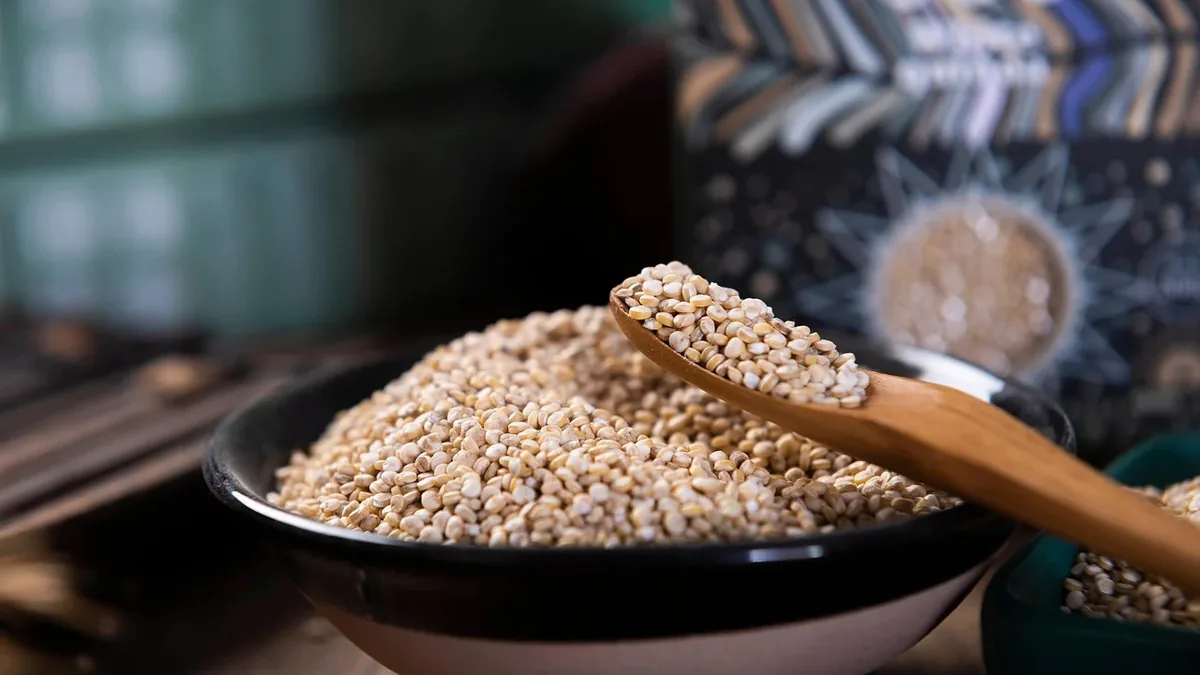
Sesame And Perilla
| Common name | Sesame and Perilla |
|---|---|
| Botanical name | Sesamum indicum, Perilla frutescens |
| Plant type | Annual herb |
| Primary culinary use | Oilseed (sesame), leaf vegetable and oilseed (perilla) |
| Traditional cuisine | East Asian (perilla), pan-global (sesame) |
| Harvested part | Seeds (sesame), leaves and seeds (perilla) |
| Oil extraction method | Cold-pressing or roasting and pressing |
Origin and history
Sesame and perilla, as a combined culinary concept, originates from the Korean peninsula, where both plants have been cultivated for millennia. Sesame (Sesamum indicum) was introduced to Korea from China over two thousand years ago, becoming a fundamental oilseed and seasoning. Perilla (Perilla frutescens var. crispa), known as *kkaennip* or *deulkkae*, is native to East Asia and has been grown in Korea since at least the Three Kingdoms period (circa 57 BCE – 668 CE). The practice of using toasted sesame seeds and perilla oil or leaves together is deeply embedded in Korean food traditions, particularly in banchan (side dishes) and seasoning pastes. This pairing moved from a foundational element of Korean home and temple cooking to broader international recognition alongside the global rise of Korean cuisine in the late 20th and early 21st centuries. Its current shift from a niche, regional combination to a mainstream ingredient duo is driven by global interest in umami-rich, plant-based flavors and functional foods.
Ingredients
Sesame seeds (typically toasted) Perilla leaves (fresh or dried) Perilla oil (also called deulkkae oil) Soy sauce Garlic Rice vinegar or another mild vinegar Sweetener (such as honey, sugar, or maesil cheong) Gochugaru (Korean red pepper flakes, optional for spice) Salt Toasted sesame oil (distinct from perilla oil) Spring onions or Asian chives Optional aromatics: ginger, black pepper
How to make it
- Lightly toast sesame seeds in a dry pan until fragrant and golden, then set aside to cool. 2. If using fresh perilla leaves, wash and pat them thoroughly dry, then slice them thinly into ribbons. 3. In a mortar and pestle or a spice grinder, coarsely grind a portion of the cooled toasted sesame seeds. 4. Combine the ground seeds, whole toasted seeds, sliced perilla leaves, minced garlic, and chopped spring onions in a mixing bowl. 5. In a separate small bowl, whisk together soy sauce, perilla oil, a small amount of toasted sesame oil, vinegar, and your chosen sweetener until emulsified. 6. Pour the dressing over the seed and leaf mixture and toss thoroughly to combine. 7. Allow the mixture to marinate for at least 30 minutes before serving to let the flavors meld.
Variations and serving
The combination most commonly appears as a seasoned side dish, or *namul*, where the perilla leaves are sliced and dressed with the sesame-based seasoning. A paste variation involves finely mincing the leaves and seeds with garlic and soy sauce to create a condiment for rice or noodles. Perilla oil can be used as the primary fat in the dressing, or it can be blended with toasted sesame oil for a more complex aroma. The mixture is also used as a filling or wrapper for rice cakes and savory parcels, integrating textural contrast. In modern applications, ground sesame and perilla powder is used as a dry seasoning for popcorn, roasted vegetables, or avocado toast. It is served primarily as a banchan alongside rice and other Korean dishes, but also as a garnish for soups, a topping for bibimbap, or a flavoring element in fusion dishes like grain bowls and salads.
Overview
Sesame and perilla represent a traditional Korean flavor pairing now gaining global traction for its distinct nutty, herbaceous, and savory profile. The combination leverages the deep, toasted notes of sesame against the minty, slightly anise-like flavor of perilla, creating a complex umami experience. It functions as a seasoning system, providing both fat and flavor through oils, seeds, and leaves in various forms. This shift from a regional staple to an international ingredient is part of a broader movement towards authentic, plant-forward pantry items. Its appeal lies in its versatility as a garnish, condiment, base for dressings, and integral component of traditional recipes. The duo is valued not only for taste but also for its nutritional profile, being rich in healthy fats, minerals, and antioxidants.
What to know
Perilla leaves are often mistaken for shiso, a Japanese variety with a different flavor profile; the Korean variety is typically broader, flatter, and has a more robust, less citrusy taste. Toasted sesame oil and perilla oil are not interchangeable; perilla oil has a grassier, more pungent flavor and a higher smoke point, making it suitable for different applications. The seeds and oils from both plants are prone to rancidity due to their high unsaturated fat content and should be stored in dark, cool containers. In Korean markets, perilla oil is sometimes labeled as "wild sesame oil," which is a misnomer that can cause confusion. The pairing is inherently gluten-free and vegan, though one must always check specific soy sauce brands for additives. Understanding this combination requires recognizing it as a foundational flavor layer in Korean cuisine, not merely a trendy garnish.
Common questions
Can I use shiso leaves instead of Korean perilla? While possible in a pinch, shiso has a sharper, more citric flavor that will significantly alter the intended taste of the dish. Where can I buy perilla oil or fresh perilla leaves? They are available in well-stocked Korean or Asian grocery stores, with perilla oil often found in the cooking oil aisle and fresh leaves in the refrigerated produce section. Is there a substitute for perilla oil? A blend of toasted sesame oil and a neutral oil can provide some base nuttiness, but it will lack the characteristic herbaceous note. How long does a prepared sesame and perilla namul last? When stored in an airtight container in the refrigerator, it will keep for 3-4 days, though the leaves will wilt and the texture will soften over time. Can I use black sesame seeds instead of white? Yes, black sesame seeds have a slightly earthier, more bitter taste and will change the visual presentation but are acceptable. Are sesame and perilla allergens? Sesame is a major allergen in many regions, and perilla, while less common, can cause allergic reactions in individuals sensitive to the Lamiaceae family of plants.
Pros and cons
The primary advantage is the creation of a profound, layered umami and nutty flavor that elevates simple grains and vegetables with minimal effort. The combination offers significant nutritional benefits, including anti-inflammatory compounds and beneficial fatty acids like alpha-linolenic acid from perilla. A major con is ingredient accessibility; sourcing fresh perilla leaves or pure perilla oil outside of major urban centers can be difficult and expensive. The flavor profile is assertive and polarizing; the distinct, almost medicinal note of perilla can be off-putting to those unfamiliar with it, leading to wasted ingredients. Common mistakes include over-toasting the sesame seeds until they become bitter or using perilla oil as a finishing oil at too high a heat, which can overwhelm a dish. Those who regret choosing it typically do so after substituting key components incorrectly, resulting in a dish that tastes neither authentically Korean nor pleasingly novel.
Who it suits
This ingredient pairing suits home cooks interested in exploring authentic Korean cuisine beyond gochujang and kimchi, seeking to build a deeper understanding of foundational flavors. It is ideal for individuals following plant-based or gluten-free diets looking for robust, savory seasoning systems that do not rely on meat or wheat. Experimental chefs and food developers will find the duo useful for adding a novel, aromatic dimension to contemporary dishes like grain bowls, dressings, and plant-based patties. It is less suited for those with a very conservative palate averse to herbal or anise-like notes, or for kitchens with strict budget constraints where specialty oils cannot be justified. People with sesame allergies must avoid it entirely, as the combination is fundamentally built around sesame seeds and oil. It best serves those who value procuring specific ingredients and are willing to learn their proper application to avoid disappointing outcomes.