Street Food Formalising
| Original use | Informal, low-capital public food service |
|---|---|
| First documented | Late 20th century (as a widespread global phenomenon) |
| Typical format shift | From mobile stalls or carts to fixed premises |
| Common catalysts | Regulatory change, tourism, media exposure, chef adoption |
| Key drivers | Consumer demand for authenticity, entrepreneurial scaling |
| Typical commercial outcome | Higher price point, brand development, expanded menu |
| Common challenges | Standardization vs. authenticity, increased overhead, cultural dilution |
Origin and history
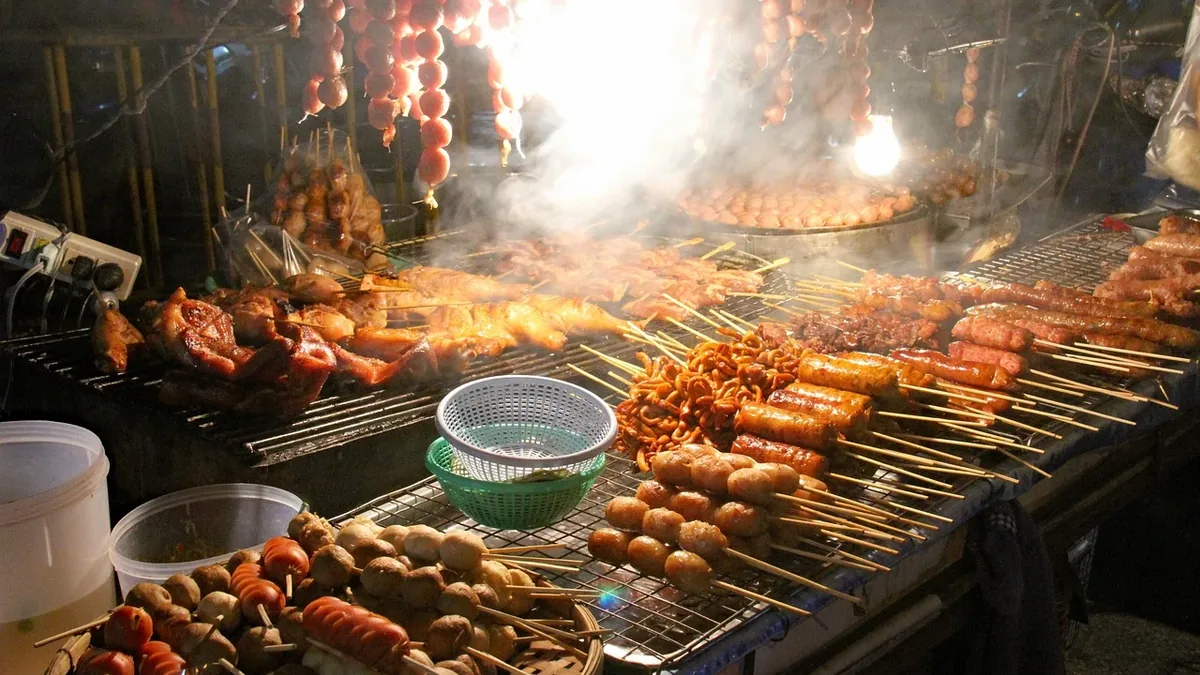
Street Food Formalising originates from a global trend, with significant early documentation and commercial activity observed in North America and Western Europe during the late 20th century. The practice involves elevating traditionally informal, low-cost street food items to a context of structured restaurant dining, often with increased price and presentation. This shift is not tied to a single dish but is a process applied to diverse global street foods, from tacos to bao. Its development accelerated in the 1990s and 2000s alongside the rise of foodie culture and chef-driven casual dining concepts. The movement is fundamentally linked to urbanization and the commercial desire to capture the authentic flavors of street markets in a controlled environment. It represents a deliberate re-contextualization of food from a public, utilitarian transaction to a private, experiential one.
Ingredients
The ingredients for Street Food Formalising are not physical components but conceptual elements applied to existing street food dishes. A core ingredient is the original street food recipe, such as for a Vietnamese banh mi or a Mexican elote. Another essential ingredient is a service model transition from counter-service or cart to full table service. Elevated or sourced ingredient quality, often described as "artisanal" or "local," is a common element. Intentional interior design, moving from utilitarian to thematic or upscale decor, is a frequent component. A curated beverage program, typically featuring craft cocktails, local beers, or premium non-alcoholic options, is often added. Finally, a narrative or provenance story for the dish's origins, presented on the menu or by staff, is a standard ingredient in this process.
How to make it
- Select a specific street food item with strong flavor profiles and cultural recognition, such as a skewer, dumpling, or stuffed flatbread. 2. Deconstruct the standard preparation method to identify its core components: the protein, carb, sauce, and cooking technique. 3. Source higher-grade or specialty versions of at least two key components, such as heritage-breed meat or house-made pickles. 4. Adapt the plating from handheld or disposable serveware to a permanent plate, arranging components deliberately for visual appeal. 5. Develop a complementary side item not typically offered with the street version, such as a microgreen salad or a refined dipping sauce. 6. Price the finished dish at a multiple of its street counterpart, reflecting the increased costs of service, ambiance, and ingredients. 7. Train service staff to articulate the dish's story, including its traditional roots and the specific upgrades implemented.
Variations and serving
Variations are defined by the degree of transformation from the original street format. One variation is the "fast-casual" model, which retains counter service but uses premium ingredients and modern design. Another is the "chef's counter" tasting menu, which presents a sequence of deconstructed street food elements as high-end courses. Serving styles range from shared plates meant for the table to individual portions plated with fine-dining techniques. Some establishments focus on a single street food item, offering multiple refined versions, while others curate a menu representing a geographic region's street food. Beverage pairings shift from simple sodas to craft beer flights or wine selections chosen to complement spicy or umami-rich foods. The serving environment deliberately contrasts with the street, emphasizing cleanliness, comfort, and often a specific aesthetic narrative.
Overview
Street Food Formalising is the commercial and culinary process of transplanting dishes from informal street vending contexts into formal restaurant settings. This process systematically alters the dish's economics, presentation, service, and perceived value. It is a widespread phenomenon in contemporary global food service, driven by consumer desire for authentic yet comfortable culinary experiences. The trend leverages the robust flavors and cultural cachet of street food while removing the perceived inconveniences of its native environment. It acts as a bridge, introducing dishes to audiences who might avoid actual street vendors due to concerns over hygiene or accessibility. Ultimately, it represents the commodification and repackaging of culinary authenticity for a different market segment.
What to know
The formalised version often alters the fundamental eating experience, shifting a meal from a quick, functional bite to a prolonged sit-down event. Key flavors may be muted or adjusted to suit a broader palate, potentially diluting the dish's original character. Hygiene and consistency, major selling points, are achieved through controlled kitchens, which can sacrifice the specific char or wok-hei from high-output street stoves. Prices typically increase by three to five times the street cost, paying for ambiance, service, and real estate. The success of a formalised street food concept heavily depends on location and the ability to attract a clientele willing to pay this premium. Critics argue the process can lead to cultural appropriation, where the narrative and profits are disconnected from the originating community.
Common questions
What is the main difference between street food and its formalised version? Is the formalised version considered more authentic than the original street food? Why are formalised street food items so much more expensive? Does the taste change when a street food is formalised? Are formalised street food restaurants owned by people from the cuisine's culture? Can formalisation help preserve traditional recipes by giving them a wider audience? Does this trend hurt traditional street vendors by creating competition? What should I look for to identify a respectful formalised street food establishment?
Pros and cons
Pros include consistent quality and ingredient sourcing, often leading to a more reliable product than individual street vendors. The enhanced comfort and cleanliness of a restaurant setting appeal to diners concerned about public hygiene or weather. It provides broader access to these dishes for people who cannot travel to specific regions or who avoid street food stalls. The format allows for creative culinary innovation and fusion that a street vendor's limited menu cannot support. Cons frequently involve a loss of the original context's vibrancy and spontaneity, making the meal a sterile experience. The increased cost is a significant drawback, with many customers feeling the price premium is not justified by the modest increase in food quality. A common mistake is over-complicating the dish, adding unnecessary elements that obscure the simple perfection of the original street version, leading to regret for purists.
Who it suits
This format suits urban professionals seeking experiential dining that feels authentic but aligns with their standards for service and comfort. It appeals to adventurous eaters who are curious about global cuisines but hesitant about the logistics or perceived risks of actual street eating. It is suitable for group dining where table service and shared plates are preferred over standing at a crowded market stall. The model suits entrepreneurs and chefs looking to build a scalable restaurant brand around a recognizable, flavor-forward food concept. It is less suited to culinary purists or those deeply familiar with the original street version, who will likely find the changes and cost unjustifiable. It also does not suit diners primarily seeking quick, cheap, and utilitarian meals, as the formalising process inherently sacrifices speed and low cost.
Latest Street Food Formalising news
Latest reporting

Biotech Open Platform launches precision
A €20 million industrial-scale precision fermentation facility has opened in Clermont-Ferrand, France, to help startups scale sustainable food...

Vegan Society of Ireland urges plant-based fund in Budget
The Vegan Society of Ireland is calling for a state-backed Plant-Based Food Fund and national strategy in Budget 2027 to reverse the collapse of...

UPP and Betta Choc Named Runners-Up for Upcycled Food Tech
UPP and Betta Choc were joint runners-up at the EMEA Global Food Tech Awards in London for turning broccoli waste and date seeds into scalable...

Gosh Expands Super Plants Range with Fibre-Rich Burgers
Gosh launches two high-fibre, whole-food veggie burgers into Tesco, responding to UK demand for protein, plant diversity, and minimally processed...
China's Pinggu Consensus Aims to Transform Food with AI
At the World Agri-Food Innovation conference, Chinese officials published the Pinggu Consensus, a six-point plan to green the food system using AI and

GLP-1 Drugs Reshape Food M&A Valuations
The rise of GLP-1 weight-loss drugs is influencing mergers and acquisitions in the food industry, with buyers scrutinizing snack and bakery assets for