
Tea And Coffee
| Recall context | Ingredient moving from margin to mainstream |
|---|---|
| Original use | Medicinal and ceremonial consumption |
| First documented | 3rd century BCE (tea), 9th century CE (coffee) |
| Active compounds | Caffeine, theanine (tea), chlorogenic acids (coffee) |
| Preparation method | Infusion or decoction of dried leaves (tea) or roasted beans (coffee) |
| Serving temperature | Hot or iced |
| Caffeine content per serving | Low to high (varies by type and preparation) |
Origin and history
Tea, from the plant *Camellia sinensis*, is native to the regions of modern-day southwest China, northern Myanmar, and northeast India, with its deliberate cultivation and consumption first documented in China over two millennia ago, by the 3rd century BCE. Coffee, derived from the beans of *Coffea* plants, is indigenous to the tropical forests of the Ethiopian plateau, with credible evidence of its consumption as a beverage emerging in the Arabian Peninsula, specifically Yemen, by the 15th century. The global spread of tea was heavily influenced by the Silk Road and later by European colonial trade networks, particularly the British Empire's establishment of plantations in India and Sri Lanka. Coffee's dissemination followed Islamic cultural routes from the Middle East to Europe, where coffeehouses became centers of social and intellectual exchange in the 17th century. Both substances transitioned from regional rituals and medicinal uses to globally traded commodities, fundamentally shaping economies and social habits. Their histories are deeply intertwined with colonialism, industrialization, and the development of modern consumer culture.
Ingredients
*Camellia sinensis* leaves (for tea) Water *Coffea* plant seeds (green coffee beans) Water Optional additions include milk, cream, sugar, honey, lemon, or spices. For tea, the specific processing of the leaves, such as oxidation level, defines the core type (e.g., green, black, oolong). For coffee, the roast level of the beans (light, medium, dark) is a primary ingredient characteristic. Specialty preparations may include additional flavorings like vanilla, chocolate, or cinnamon. The mineral content of the water used is a critical, though often overlooked, ingredient affecting final taste.
How to make it
- For tea, begin by heating fresh, cold water to the appropriate temperature for the tea type; green teas typically require water around 80°C (176°F), while black teas need near-boiling water. 2. Place the loose tea leaves or a tea bag into a pre-warmed teapot or cup. 3. Pour the heated water over the tea and allow it to steep for the recommended time, usually between 2 to 5 minutes, depending on the variety and desired strength. 4. For coffee, start by grinding whole coffee beans to a consistency suitable for your brewing method (e.g., fine for espresso, coarse for French press). 5. Heat water to just off the boil (approximately 93-96°C or 200-205°F) and wet the coffee grounds briefly to allow them to "bloom," releasing gases. 6. Continue adding the remaining water using your chosen method (pour-over, immersion, pressure), ensuring even saturation, and complete the brew cycle within the recommended time, often 3 to 5 minutes for manual methods.
Variations and serving
Tea variations are primarily defined by processing: unoxidized green tea, fully oxidized black tea, partially oxidized oolong, and post-fermented dark teas like pu-erh. Coffee variations stem from bean origin, roast profile, and brewing technique, yielding distinct beverages from a bright, acidic pour-over to a dense, creamy espresso. Serving styles range widely, from the simple Japanese matcha ceremony to the strong, sweet Turkish coffee prepared in a cezve, or the milky Indian chai simmered with spices. Iced tea and cold brew coffee represent significant cold-serving variations that have become staples in many cultures. Specialty beverages like the espresso-based latte, cappuccino, and flat white, or tea-based bubble tea and matcha lattes, demonstrate extensive culinary adaptation. The social context of serving also varies, from the solitary morning cup to the formal British afternoon tea or the communal Ethiopian coffee ceremony.
Overview
Tea and coffee are psychoactive beverages containing caffeine, prepared via the infusion or decoction of plant materials in hot water, forming two of the world's most widely consumed drinks after water. They are central to daily rituals, social interactions, and economic systems, with massive global supply chains dedicated to their cultivation, processing, and distribution. Both act as mild stimulants, primarily due to caffeine, though tea generally contains less caffeine per serving and also provides L-theanine, an amino acid associated with calm alertness. Their consumption is associated with momentary breaks in the workday, hospitality gestures, and personal moments of reflection. The "shift" for these ingredients is not from margin to mainstream, as they have been mainstream for centuries, but rather the constant evolution of their consumption formats, such as single-serve pods, specialty third-wave coffee, and artisanal tea, which redefine mainstream expectations. They represent a foundational category of foodways where marginal shifts occur within processing, preparation culture, and consumer connoisseurship.
What to know
Caffeine content varies dramatically: a typical 240ml cup of brewed coffee contains approximately 95mg of caffeine, while the same volume of black tea contains about 47mg, though brewing time and method significantly affect this. Both beverages contain antioxidants, such as polyphenols in tea and chlorogenic acids in coffee, which are studied for their potential health effects within a balanced diet. Over-extraction, often from steeping tea too long or using water that is too hot for its type, results in excessive bitterness and astringency. In coffee, using stale pre-ground beans or incorrect grind size for the brewing method are common errors that produce a flat or unbalanced cup. The environmental and ethical impacts of production are major considerations, including issues of water use, pesticide application, and fair labor practices for plantation workers. Cultural appropriation is a sensitive topic, as traditional preparation methods from their regions of origin are often commercialized and stripped of context by global chains.
Common questions
Is tea or coffee healthier? Neither is universally healthier; moderate consumption of either can be part of a healthy diet, but individual tolerance to caffeine, potential for acid reflux, and addition of sweeteners or cream are deciding factors. Does decaffeinated tea or coffee still contain caffeine? Yes, decaffeinated versions contain small residual amounts, typically 2-5mg per cup. What is the difference between herbal tea and true tea? Herbal teas, like chamomile or peppermint, are infusions of other plants and do not contain leaves from the *Camellia sinensis* plant, thus they are generally caffeine-free. Why does coffee sometimes make me feel jittery but tea does not? The higher caffeine dose in coffee combined with the potential moderating effects of L-theanine in tea may lead to different physiological responses. How should I store tea leaves and coffee beans? Both should be stored in airtight containers away from light, heat, and moisture; coffee beans are best used within a month of roasting for peak flavor. Can I reuse tea leaves or coffee grounds? Tea leaves can often be steeped multiple times, particularly oolong and pu-erh, while used coffee grounds produce a very weak, inferior brew on a second use.
Pros and cons
A primary pro is the reliable provision of mild stimulation and enhanced focus, making them functional tools for managing alertness throughout the day. The ritual of preparation and consumption offers a structured pause, which can aid mental well-being and provide a moment of social connection. On the con side, dependency and tolerance can develop, leading to withdrawal symptoms like headaches and irritability when consumption is missed. Poorly made or low-quality versions are extremely common, resulting in bitter, astringent, or flat beverages that disappoint and waste resources. A significant mistake is consuming them too late in the day, which can disrupt sleep patterns for caffeine-sensitive individuals, creating a cycle of fatigue. The cost can escalate quickly with daily specialty café purchases or high-end equipment, becoming a substantial financial habit without a proportional increase in enjoyment or quality for many users.
Who it suits
Tea often suits individuals seeking a gentler, more sustained caffeine effect with less potential for jitters, or those who appreciate subtle flavor variations and ceremonial preparation. Coffee tends to suit those who desire a more pronounced and immediate stimulant effect, and who enjoy the deep, robust flavors developed through roasting and various extraction methods. Both beverages suit people who value the structure of a daily ritual, whether it's the solitary morning routine or a shared social break. They are less suitable for individuals with certain medical conditions, such as severe anxiety disorders, acid reflux, or caffeine sensitivity, who may experience adverse effects. The hobbyist or connoisseur is well-suited to either, as both offer deep avenues for exploration into terroir, processing, and brewing technique. Ultimately, personal taste, physiological response, and cultural familiarity are the strongest determinants of who gravitates toward tea, coffee, or both.
Latest Tea And Coffee news
Latest reporting

Coffee Stocks Near 1999 Lows as Prices
Certified arabica coffee stocks on the ICE exchange are near their lowest levels since 1999, while a Reuters poll forecasts arabica prices will fall...
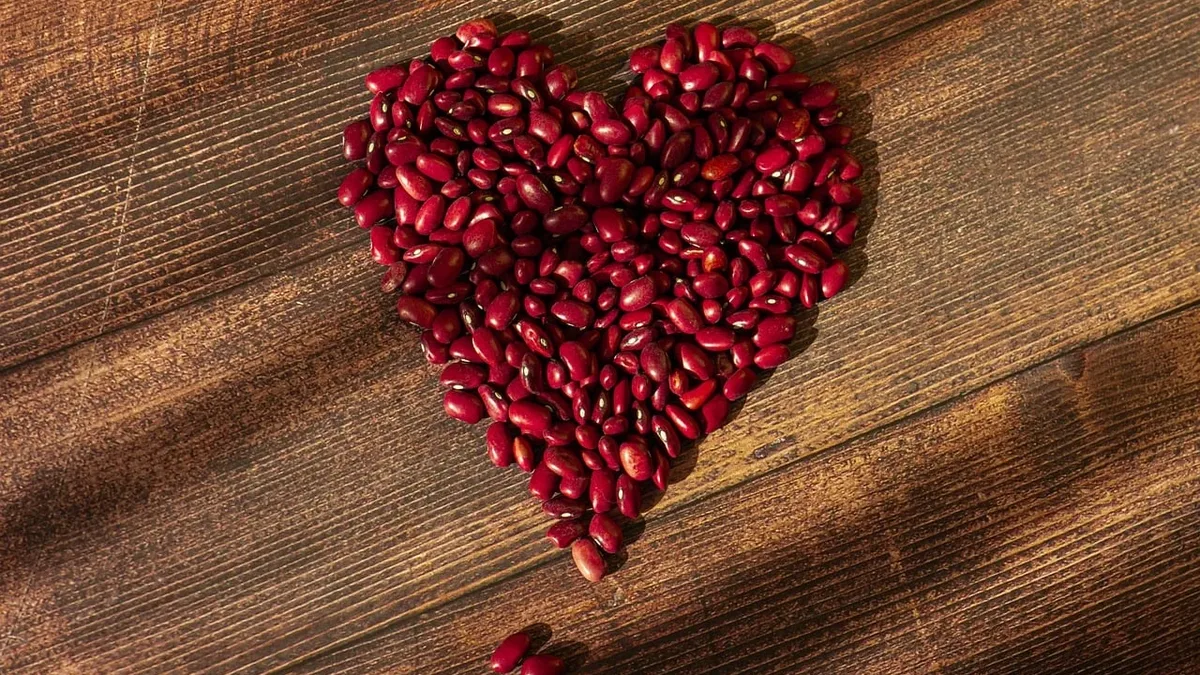
South Korea's TissenBioFarm Expands Cell Culture Tech to Coffee
South Korea's TissenBioFarm has expanded its cell culture technology to coffee, marking the first time this technology has been implemented in the...
Prefer’s Bean-Free Coffee Expands to Shell Stores in Singapore
Singaporean startup Prefer has partnered with Shell to stock its bean-free coffee in all 56 convenience stores across Singapore. The company, which...