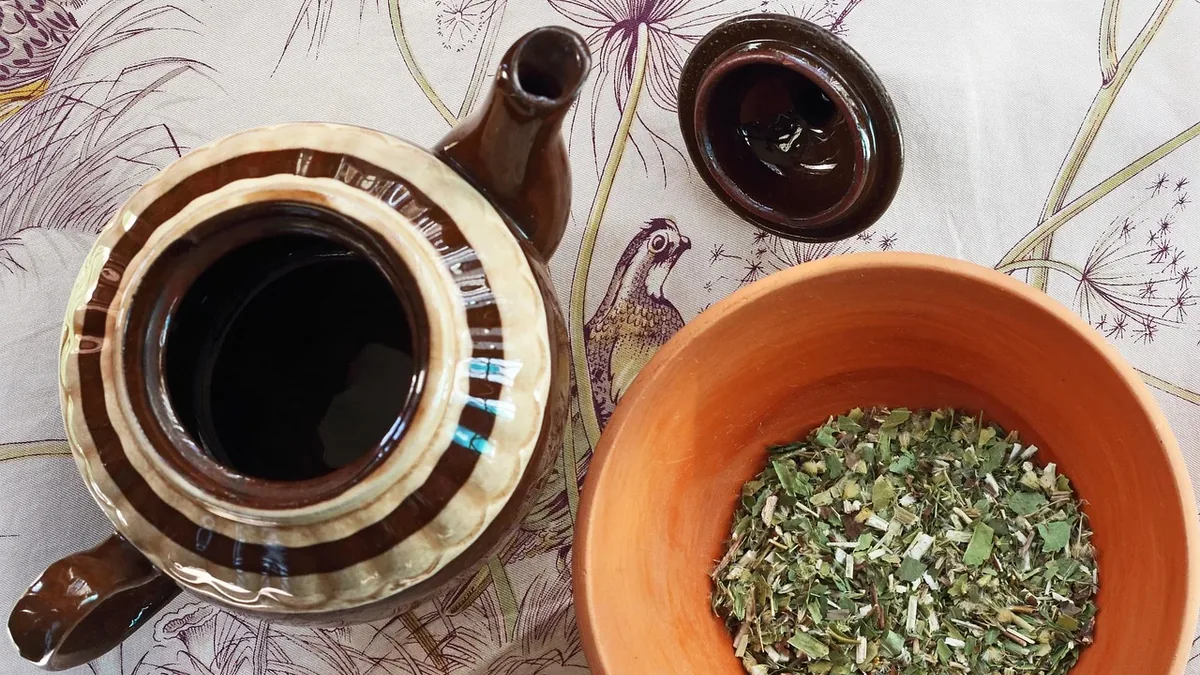
Traditional Herbal Drinks
| Traditional Herbal Drinks | the shift - an ingredient, format or habit moving from margin to mainstream |
|---|
Origin and history
Traditional herbal drinks originate from multiple ancient cultures globally, with China and the broader East Asian region providing some of the earliest and most systematic documentation. The practice of brewing herbs for medicinal and wellness purposes dates back millennia, with Chinese herbal tea or "liang cha" being formally documented in foundational texts like "Shennong Ben Cao Jing" over two thousand years ago. Similarly, in the Indian subcontinent, the Ayurvedic tradition developed a vast pharmacopeia of herbal decoctions known as "kadha" for balancing bodily humors, a practice also tracing back thousands of years. Across Europe, monastic gardens from the medieval period onwards cultivated herbs for medicinal tisanes, while indigenous cultures in Africa and the Americas have long-standing traditions of using local plants in hot infusions. These practices were historically domestic and community-based, integral to local healthcare systems before the advent of modern medicine. The core concept of using hot water to extract the beneficial compounds from roots, barks, flowers, and leaves is a near-universal historical development.
Ingredients
The ingredients are solely plant-based, excluding true tea leaves from the *Camellia sinensis* plant. Common base ingredients include roots like ginger and licorice. Barks such as cinnamon and slippery elm are frequently used. Flowers including chamomile, hibiscus, and lavender are popular. Leaves from herbs like peppermint, spearmint, and lemon balm are staples. Berries and fruits, like rose hips and hawthorn berries, add flavor and properties. Seeds, such as fennel and cardamom, are common in many blends. Often, blends incorporate multiple ingredients to create a balanced flavor and synergistic effect.
How to make it
- Begin by selecting your dried herbal ingredients, ensuring they are clean and sourced for culinary use. 2. Use approximately one tablespoon of dried herbs or one herbal tea bag per cup (250ml) of water. 3. Heat fresh, cold water to the appropriate temperature; a full, rolling boil is standard for roots and barks. 4. For delicate flowers and leaves, slightly off-boil water (around 90-95°C) can preserve volatile oils. 5. Place the herbs in a teapot, cup, or infuser and pour the hot water over them. 6. Cover the vessel to prevent the escape of steam and aromatic compounds. 7. Steep for the required time, which can range from 5 minutes for mild herbs to 15-20 minutes for medicinal decoctions. 8. Strain the liquid to remove the spent plant material before drinking.
Variations and serving
Variations are immense, ranging from single-ingredient infusions like peppermint tea to complex formulas from Traditional Chinese Medicine or Ayurveda. Serving styles differ culturally; they are often consumed plain and hot for therapeutic purposes, but can be served iced or with natural sweeteners like honey. In many Asian contexts, these drinks are served bitter and unadulterated to emphasize their medicinal character, while in Western markets, flavored blends with fruit pieces are common. Specific regional variations include Korean "ssanghwa cha," a bitter medicinal drink, and Egyptian "karkade," a cold hibiscus tea. The format has also shifted into modern retail with the proliferation of branded tea bags, loose-leaf blends, and ready-to-drink bottled versions. The traditional habit of preparing a fresh decoction for a specific ailment contrasts with the modern habit of consuming a daily cup of a pre-blended herbal tea for general wellness.
Overview
Traditional herbal drinks are infusions or decoctions made by steeping plant material, other than *Camellia sinensis* tea leaves, in hot water for consumption. Their primary historical purpose was medicinal, aimed at treating ailments, balancing bodily systems, or promoting general health according to various traditional frameworks. They are fundamentally distinguished from true teas by their lack of caffeine, deriving their effects from a diverse array of phytochemicals like antioxidants, volatile oils, and tannins. The modern shift sees them moving from a niche, folk-remedy status to a mainstream wellness product, driven by growing interest in natural health and holistic lifestyles. This mainstream adoption has led to a commercialized, often simplified version of the traditional practice, focusing on flavor and general relaxation rather than specific therapeutic claims. Consequently, they now occupy a significant segment of the global hot beverage market, sold in supermarkets and cafes worldwide.
What to know
The efficacy and safety of herbal drinks are not universally guaranteed or regulated to pharmaceutical standards, with potency varying based on plant source, preparation, and individual biochemistry. Many herbs have bioactive compounds that can interact with prescription medications, such as St. John's Wort affecting liver enzymes or licorice root influencing blood pressure. The term "natural" does not equate to "safe for all," as some herbs are contraindicated during pregnancy, for young children, or for individuals with specific health conditions. Traditional use is not a substitute for professional medical diagnosis and treatment, particularly for serious illnesses. The quality of commercial products can be inconsistent, with issues like pesticide residues, incorrect plant identification, or filler ingredients being potential concerns. Understanding the difference between a casual, flavorful infusion and a potent medicinal decoction is crucial, as the preparation method and dosage directly impact the physiological effect.
Common questions
A common question is whether herbal teas are completely caffeine-free, and while most are, some blends containing ingredients like guarana, yerba mate, or cocoa husks do contain caffeine. People often ask if they can drink herbal tea daily, which is generally safe for most common culinary herbs but requires caution with stronger medicinal herbs used routinely. Many wonder about the best herbs for specific purposes, such as chamomile for sleep or ginger for nausea, though individual responses can vary. A frequent point of confusion is the difference between an infusion (steeping) and a decoction (simmering), with the latter method required for tougher plant parts like roots and barks to extract compounds effectively. Questions regarding certification often arise, with organic certification addressing agricultural practices but not necessarily the authenticity or potency of the herb. Users also commonly inquire about shelf life, with dried herbs generally retaining best quality for 6-12 months when stored away from light, heat, and moisture.
Pros and cons
A significant pro is the provision of a comforting, hydrating ritual that can support relaxation and mindfulness without caffeine. The wide variety of flavors and potential gentle supportive effects, like soothing a sore throat or aiding digestion, offer a accessible entry point into plant-based wellness. However, a major con is the risk of self-diagnosis and delay of proper medical care, where individuals may treat serious symptoms ineffectively with herbs. Many people regret choosing inexpensive, low-quality commercial blends that taste bland or artificial, failing to deliver the expected experience or benefit. A common mistake is assuming all herbs are universally safe, leading to adverse reactions or drug interactions that could have been avoided with prior research. The lack of standardization means two batches of the same herb can have dramatically different potencies, making consistent results difficult to achieve for therapeutic purposes.
Who it suits
This practice suits individuals seeking a caffeine-free alternative to coffee or black tea, especially in the evenings or for those sensitive to stimulants. It is well-suited to people interested in complementary wellness approaches who are willing to research herb safety and interact with knowledgeable suppliers. Those who enjoy culinary exploration and subtle flavor nuances often appreciate the vast sensory range of herbal infusions. The tradition appeals to individuals valuing slow, intentional rituals as a counterbalance to fast-paced modern life. It is less suited for individuals looking for a quick, standardized, and potent medical treatment, or for those unwilling to navigate the complexities of herb quality and potential interactions. People with complex health conditions, who are pregnant, or on multiple medications must exercise extreme caution and typically require professional guidance before use.
Latest Traditional Herbal Drinks news
Latest reporting
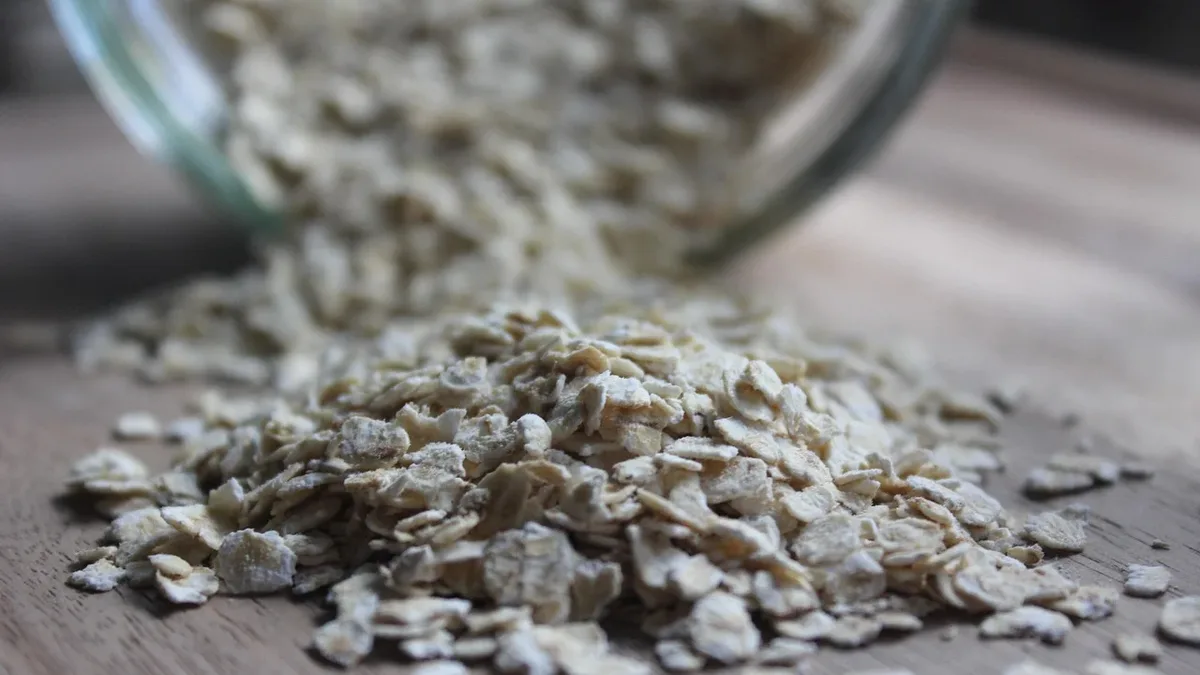
Oatly launches oat milk with 5g fibre per 250ml serving
Oatly has expanded its UK range with two new fibre-enriched oat drinks, each providing 5g of fibre per serving, to address the widespread national...
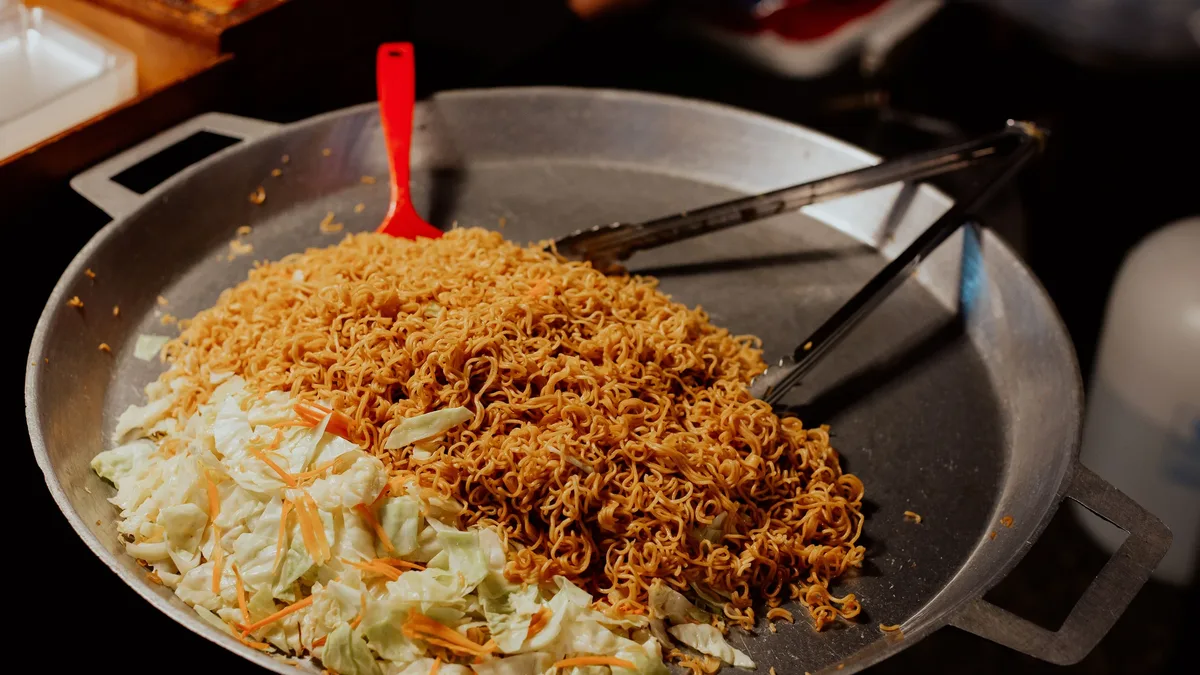
Wing Lok Noodle Factory Revives Shrimp Roe Noodle Craft
A 50-year-old Hong Kong noodle maker is reviving the traditional craft of shrimp roe noodles, an intangible cultural heritage item, by introducing...
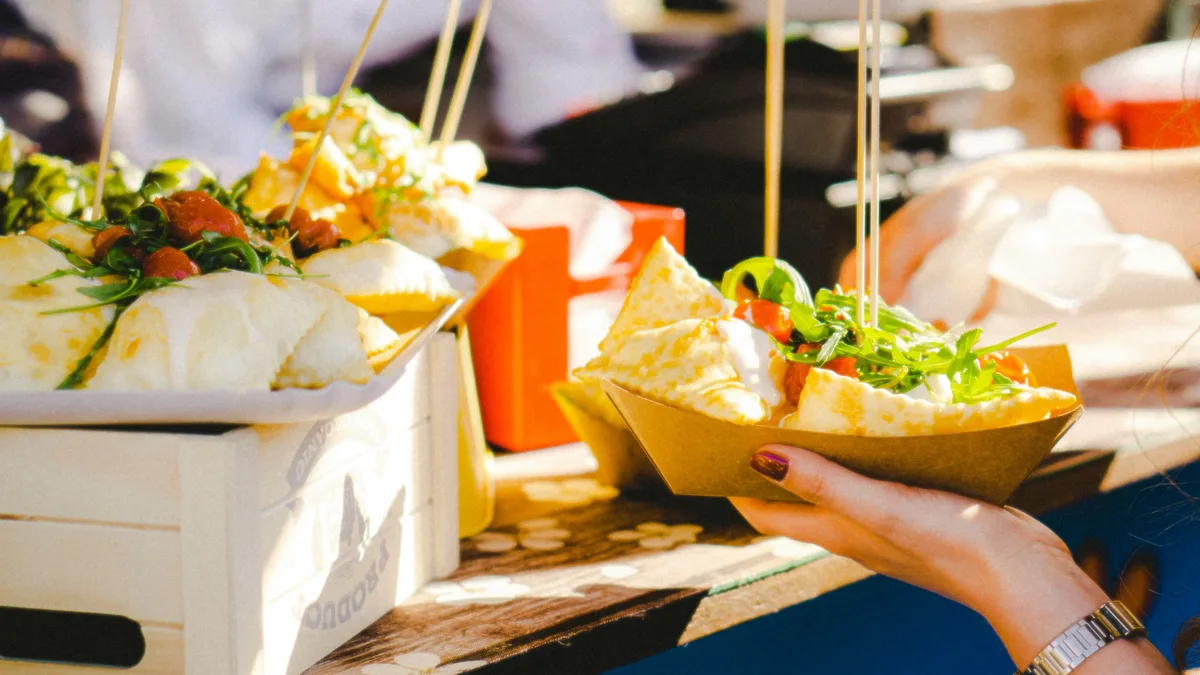
Pringles launches thick dippers, Pop-Tarts
Pringles introduces its thickest-ever chips for dipping, while Pop-Tarts collaborates with BuzzBallz on alcoholic drinks and Snoop Dogg's Dr.

Finnish Researchers Develop Scalable Method for Producing Mycelium Leather
A government-backed project in Finland has created a new way to make large amounts of mycelium leather, enabling large-scale production of the...