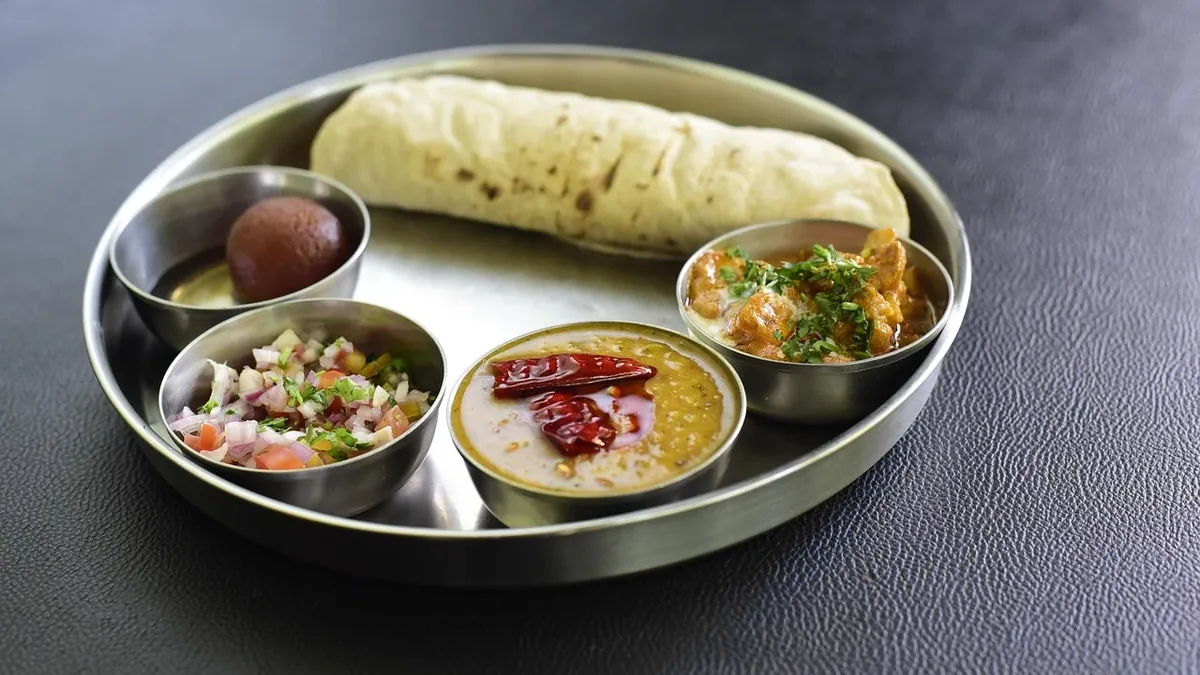
Vegetarian, Jain And Buddhist Eating
| Original use | Religious and ethical dietary observance |
|---|---|
| Adherents | Varies by specific tradition (e.g., Jain, Theravada, Mahayana) |
| Core restriction | Prohibition of meat (all traditions) |
| Additional restrictions | Varies (e.g., no root vegetables, no alcohol, no garlic/onion) |
| Modern adaptation | Often includes dairy and eggs (lacto-ovo vegetarian) |
| Mainstream visibility | High in specific regions and globalized cuisine |
| Key distinction | Often stricter than secular vegetarianism due to non-violence principles |
Origin and history
Vegetarian, Jain, and Buddhist eating practices originate from the Indian subcontinent, with philosophical roots extending across Asia. The principles of vegetarianism within these traditions were formally established and documented over two millennia ago, during the middle of the first millennium BCE. These dietary codes emerged not primarily as health or environmental choices, but as ethical and spiritual disciplines integral to religious philosophy. Jainism developed the most stringent rules, with its doctrine of *ahimsa* (non-violence) requiring meticulous avoidance of harm to any living being. Buddhism's approach varies by tradition, with Mahayana schools in East Asia often adopting strict vegetarianism, while Theravada practices can be more flexible. The historical spread of these religions, particularly Buddhism along the Silk Road, carried these dietary concepts far beyond their region of origin, influencing culinary practices across China, Japan, Korea, and Southeast Asia.
Ingredients
Core plant-based proteins Legumes such as lentils, chickpeas, and various beans Whole grains including rice, wheat, millet, and barley A wide variety of fresh vegetables Leafy greens and herbs Fruits, both fresh and dried Dairy products like milk, yogurt, and ghee (excluded in strict vegan and some Jain interpretations) Nuts and seeds Plant-derived oils and fats Spices and aromatics like ginger, garlic (excluded in Jainism), turmeric, and cumin Tofu, tempeh, and seitan (in East Asian Buddhist contexts) Alternative sweeteners such as jaggery
How to make it
- Base all meals on a primary staple grain, such as rice, quinoa, or flatbreads. 2. Prepare a protein-rich component using legumes, like a dal, curry, or stew. 3. Incorporate a substantial portion of cooked seasonal vegetables, either integrated into the main dishes or served as a separate side. 4. Include raw elements through salads, chutneys, or fresh herbs to add texture and vitality. 5. For Jain preparation, meticulously clean all vegetables and exclude those grown underground like potatoes, onions, and garlic to avoid potential harm to soil organisms. 6. Season dishes according to tradition, using allowed spices and minimizing or omitting pungent roots in Jain cooking. 7. Compose a balanced plate or thali that combines these elements, ensuring nutritional completeness and sensory variety.
Variations and serving
Variations are profound and are dictated by sect, region, and individual observance level. Jain cuisine is defined by its prohibitions, creating a unique subset that avoids all root vegetables and often uses asafoetida as a flavor substitute for garlic and onions. Buddhist monastic cuisine varies from the simple, often vegan, meals of Zen temples to the vegetarian mock meats developed in Chinese Buddhist cooking to mimic ceremonial dishes. Indian vegetarian thalis offer a complete nutritional model, while East Asian Buddhist meals may center on rice, tofu, and fermented vegetables. Serving styles range from individual monastic bowls to shared family-style platters. Modern adaptations include fusion dishes that incorporate global ingredients while adhering to the core ethical principles, and fully vegan interpretations that exclude all animal-derived products, including dairy.
Overview
These are ancient, ethically-motivated dietary systems that have moved from strict religious observance to influence global food culture. They are unified by a foundation in non-violence and intentional restraint but differ significantly in their specific rules and applications. Jain diet is the most restrictive, based on minimizing harm to even microscopic life, while Buddhist practices are diverse, often linked to monastic precepts. The mainstream shift is evident in the widespread adoption of "Meatless Mondays," the proliferation of plant-based products, and the normalization of vegetarian options in public dining. This movement is no longer confined to religious communities but is driven by converging concerns for health, environment, and animal welfare. The core philosophy provides a structured framework for mindful consumption that resonates beyond its original context.
What to know
Adopting these diets requires understanding their philosophical "why," not just the list of prohibited foods. Nutritional planning is essential to avoid deficiencies in iron, vitamin B12, omega-3 fatty acids, and complete protein, which requires combining complementary plant proteins. Sourcing and preparation for strict Jain cooking is exceptionally labor-intensive due to the required inspection and cleaning of produce. In Buddhist contexts, the rule against killing often extends to commercial purchase, meaning even vegetables must be ethically sourced if possible. Social and practical challenges are common when dining out, traveling, or attending group events where options are limited. The term "Buddhist vegetarian" can be misleading, as not all Buddhists are vegetarian; it is most strongly emphasized in Mahayana traditions. These are not weight-loss diets but holistic lifestyle practices.
Common questions
Is honey permitted in these diets? Honey is generally avoided in strict Jain and Buddhist vegetarian practice as its collection is seen to exploit or harm bees. How do Jains get protein without beans and lentils? Jains do consume beans and lentils; they avoid root vegetables but rely heavily on legumes, dairy, nuts, and grains for protein. Do all Buddhists avoid meat? No, dietary practice varies widely; Theravada monks may eat meat if it was not specifically killed for them, while many Mahayana laypeople and monastics adopt strict vegetarianism. Can these diets be considered vegan? They often overlap but are not identical; traditional Indian vegetarianism includes dairy, while veganism excludes all animal products, and Jainism excludes root vegetables veganism does not. What is the difference between vegetarian and Jain? Jain vegetarianism additionally excludes all root vegetables (like onions, potatoes), fungi, and any food believed to harbor excessive microscopic life. Are fermented foods allowed? Yes, foods like yogurt, kimchi, and tempeh are commonly used, though some strict interpretations may limit heavily fermented items.
Pros and cons
A significant pro is the high intake of fiber, antioxidants, and phytonutrients from a diverse plant base, which supports long-term health. The ethical framework promotes mindfulness and reduces the environmental impact associated with industrial animal agriculture. A clear con is the risk of nutritional deficiencies, particularly vitamin B12, iron, and calcium, if the diet is not carefully planned and supplemented. The restrictive nature, especially of Jain cuisine, can create social isolation and make everyday dining and travel logistically difficult. A common mistake is adopting the dietary restrictions without understanding the nutritional principles, leading to a reliance on processed vegetarian junk food. Many who regret choosing it do so because they approached it as a fad without a foundational commitment to the lifestyle, resulting in frustration and abandonment.
Who it suits
This approach suits individuals deeply motivated by ethical or spiritual principles of non-harm and compassion for all living beings. It is well-suited to those who enjoy cooking from whole ingredients and are willing to invest time in meal planning and preparation. People with a strong interest in environmental sustainability often find the model aligns with their values. It can be a good fit for those with specific digestive sensitivities to meat or a familial or cultural tradition of plant-based eating. It is less suited for individuals unwilling to educate themselves on nutritional balance, those with highly active, high-performance metabolic needs who struggle to meet caloric demands, or people in environments with severely limited access to diverse plant foods. It requires a degree of flexibility and negotiation for those who must frequently dine in social or professional settings where options are constrained.
Latest Vegetarian, Jain And Buddhist Eating news
Latest reporting

Study: Body Adapts to Plant-Based Diets for Better Iron
A new review in Biology finds the human body adapts to long-term plant-based eating, enhancing iron absorption and protein metabolism, challenging

Zespri wins EU's first fresh fruit health
Zespri secured EU approval for a health claim on green kiwifruit in 2025, stating that eating two fruits daily aids normal bowel function.

Impact Food Shuts Down
Plant-based seafood startup Impact Food is shutting down after five years. Its CEO says changing consumer eating habits proved too difficult.
Teens Lead in High-Impact Diets While Seniors Drive Global Food-Emission Growth
A new Nature Food study finds that teenagers and young adults have the most carbon-intensive eating habits, largely due to meat, dairy and processed...