Zespri wins EU's first fresh fruit health
Zespri secured EU approval for a health claim on green kiwifruit in 2025, stating that eating two fruits daily aids normal bowel function.
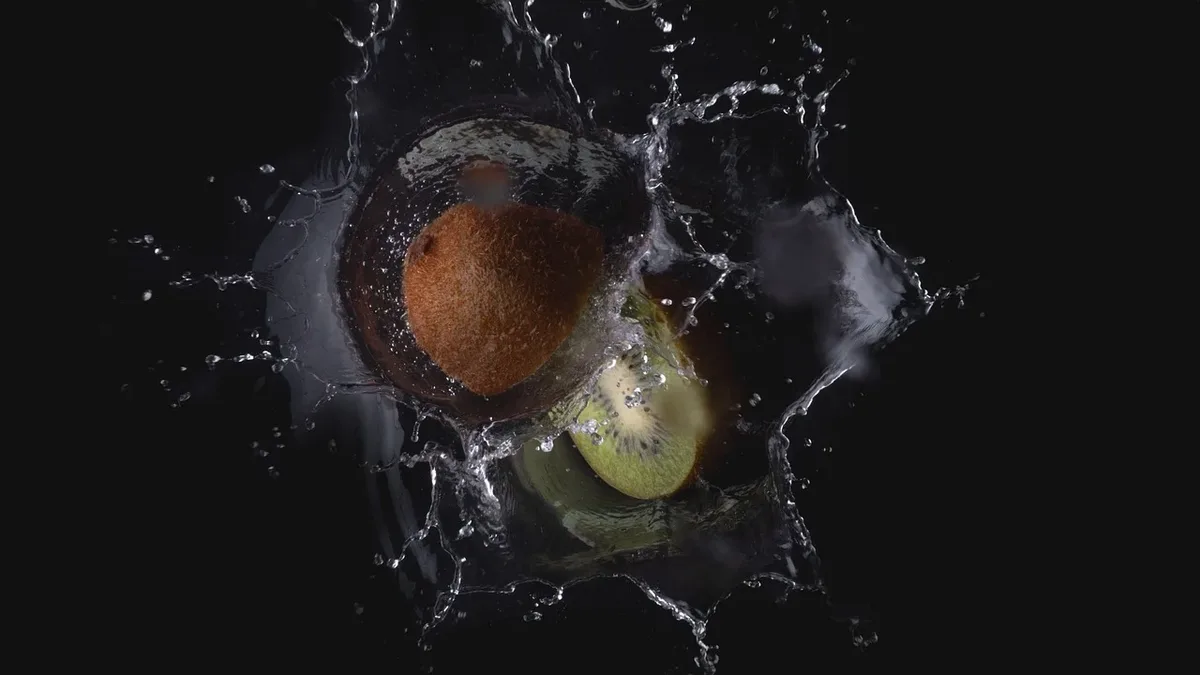
Zespri announced in August 2025 that the European Commission had approved a health claim for green kiwifruit. The claim states that eating two green kiwifruit a day, providing at least 200 grams of flesh, contributes to normal bowel function by increasing stool frequency.
This approval followed a positive scientific opinion from the European Food Safety Authority (EFSA) issued in 2021. The four-year gap between the scientific assessment and final authorization shows the complex political and procedural hurdles within the EU system.
The lengthy approval process
Health claims in the EU follow a defined process. Applicants submit a scientific dossier for assessment by EFSA. The European Commission and EU Member States then decide on authorization. For the kiwifruit claim, this political and regulatory layer caused significant delay.
Bregt Raus, a managing associate at law firm Altius, said the process's length calls into question whether the EU framework works as intended. He attributed the delay to a governance layer that operates without real-time pressure, even when the underlying science is settled.
Luca Bucchini, managing director at Hylobates Consulting, explained that after EFSA's positive opinion, Zespri requested different wording for the claim, requiring further consultation. Subsequent discussions among Member States about regulation wording and enforceability added more time.
Why whole-food claims are rare
Health claims for whole foods remain uncommon in the EU. Prunes carry a similar bowel function claim, but broader claims for foods like berries have been rejected for lacking specificity.
Bucchini said whole foods can be harder for regulators to assess. Their health effects may arise from multiple compounds and mechanisms, making it difficult to establish a precise cause-and-effect relationship. Kiwifruit's application succeeded because its evidence supported a precise, measurable claim.
Researchers have linked kiwifruit to various potential benefits due to its vitamin C, fiber, and antioxidant content. The approved claim specifically focuses on digestion, linked to the fiber and actinidin enzyme in green varieties.
Timeline of the kiwifruit claim
The journey from application to market authorization spanned key EU regulatory milestones.
| Year | Event |
|---|---|
| 2006 | EU establishes legal framework for health claims (Regulation 1924/2006). |
| 2012 | EU publishes its initial list of permitted health claims (Regulation 432/2012). |
| 2020 | Zespri submits its application for a green kiwifruit health claim. |
| 2021 | EFSA confirms a cause-and-effect relationship, proposing initial wording. |
| 2024-25 | Wording is refined during the EU authorization process. |
| July 2025 | European Commission authorizes the claim via Implementing Regulation 2025/1560. |
| Aug. 2025 | The regulation enters into force, allowing use of the claim. |
Political bottlenecks and comitology
For Raus, the case highlights a systemic bottleneck in the EU's "comitology" procedure. This is where Member States oversee the Commission's implementing powers and must reach a consensus.
During discussions on the kiwifruit claim, Member States debated limiting the claim to sales units of 200 grams. This idea was later dropped over concerns about clarity for consumers. Some nations also raised sustainability questions about potential increases in packaging.
Raus pointed to a recurring tension. EFSA assesses the science, but the Commission and Member States must also consider wider public-health policies. In past cases, claims related to sodium and glucose were rejected despite positive EFSA opinions because they conflicted with policies on salt and sugar consumption.
"The gap highlights that comitology is the real bottleneck," Raus said. These political discussions showed how the process can quickly move beyond pure science into detailed implementation debates.