AI Drives Down Cultivated Meat Production Costs
Pythag Tech raised $4.25 million to expand its AI platform, which optimizes growth media, cell lines, and bioprocessing to cut costs for cultivated meat producers amid industry funding declines.
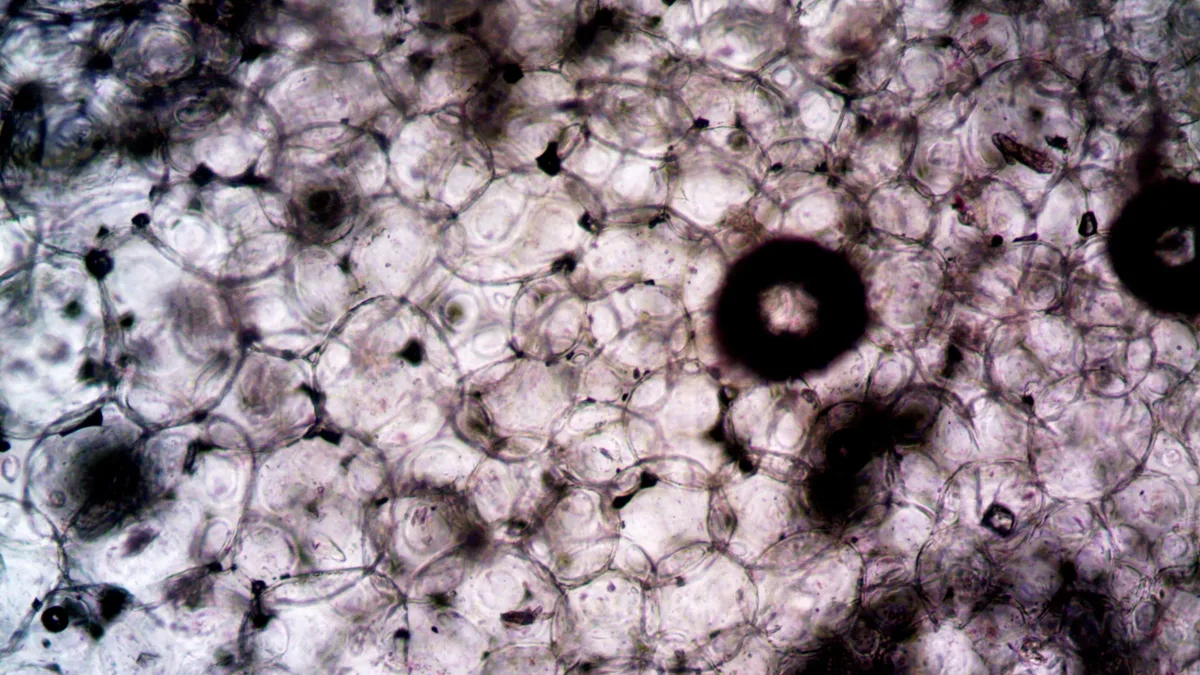
Pythag Tech has secured $4.25 million in seed funding to advance AI tools that reduce costs for cultivated meat production. The New York-based company uses artificial intelligence to direct laboratory experiments targeting the three main cost drivers: growth media, cell line development, and bioprocessing.
Each AI-directed experiment adds to a proprietary dataset, creating a continuous loop where data analysis recommends the next round of testing. This iterative approach identifies new parameters to optimize production. The goal is to enable high cell densities and low media costs. The funding will support further technology development and deliver actionable insights to meat producers.
Funding fuels platform expansion
The $4.25 million seed round was led by climate-focused investor Azolla Ventures, with participation from Endurance28 and other institutional investors. This capital will expand Pythag's biological dataset and scale its machine learning platform.
The investment will also grow the AI and wet lab teams, purchase automation equipment, and open a second laboratory in Thailand. Pythag Tech does not produce meat itself. Instead, it plans to license its optimized production processes to food companies seeking to integrate cultivated meat into their supply chains.
Industry context and challenges
The funding arrives as the cultivated meat sector faces significant headwinds. Industry funding fell 49% in 2025 to $74 million, a steep drop from a peak of $1.5 billion four years prior. Despite scientific and regulatory advances, high production costs and complexity remain barriers to scale.
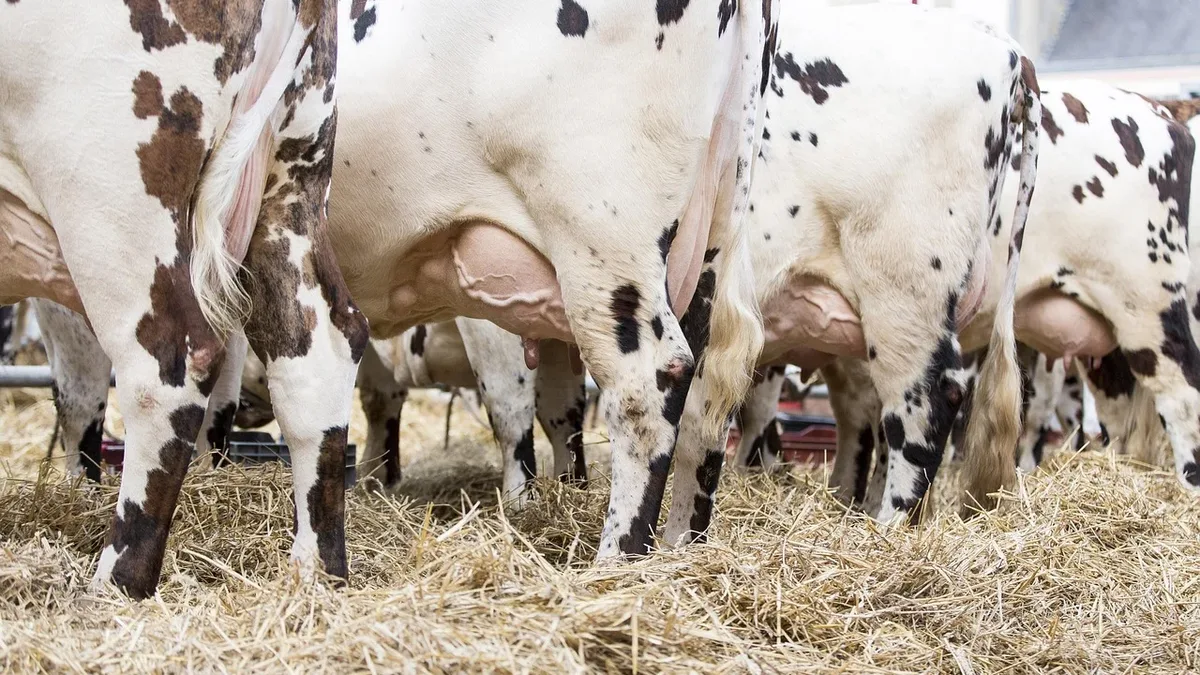
Conventional meat supply is under pressure, with cattle herds at their lowest level since the 1950s, import restrictions in place, and ground beef prices reaching record highs. Global meat production per capita, however, rose 55% between 1970 and 2020. Pythag positions its AI technology as the necessary intelligence layer to build a scalable, cost-competitive alternative.
Strategic partnerships and regulatory approach
Pythag is already working with food producers to integrate its platform. In August 2025, Australian lamb company Magic Valley partnered with Pythag to lower per-kilogram costs and shorten its research and development timelines.
The company does not require regulatory approval for its platform; customers using the optimized processes will handle their own regulatory submissions. Pythag plans to work jointly with those customers on approval pathways. It presents cultivated meat as an additional animal protein source for companies aiming to diversify their supply chains and revenue streams.
Matthew Nordan, co-founder and general partner at lead investor Azolla Ventures, stated that cultivated meat can only provide a solution if it achieves functional equivalence at a lower cost. Sami Nabulsi, CEO of Pythag Tech, said the next generation of cultivated meat will be defined by efficiency in turning scientific experimentation into better production models. The company will license these optimized processes to accelerate the development of cost-effective cultivated meat.