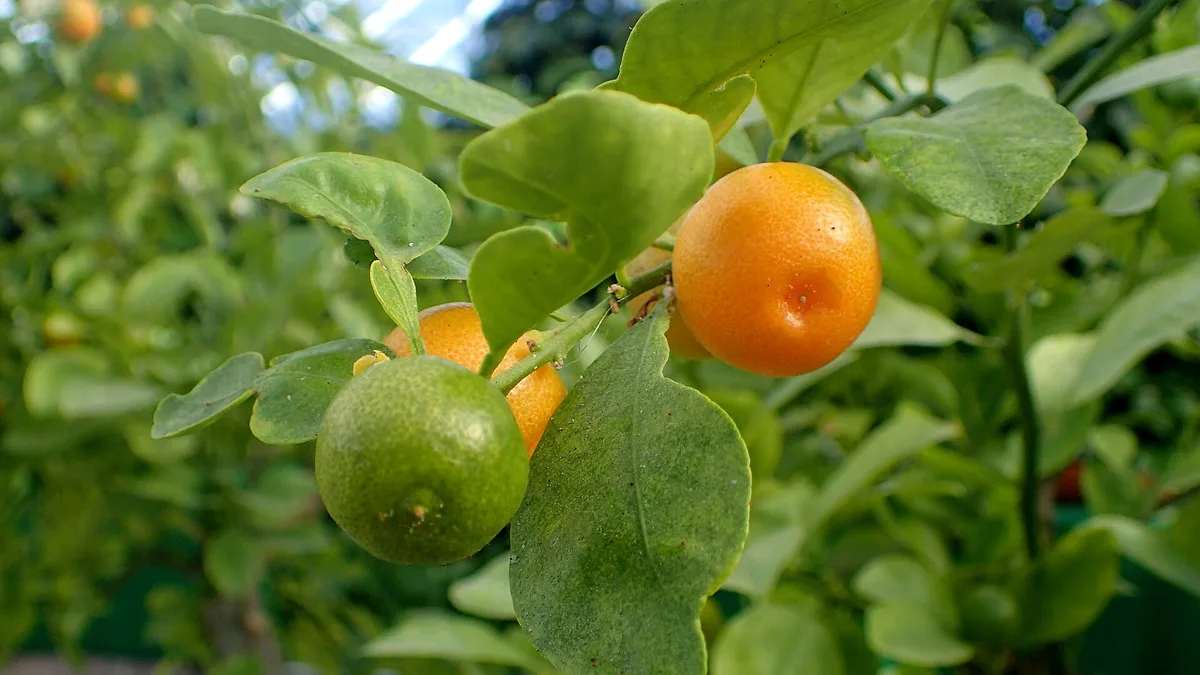
Yuzu, Calamansi And Regional Citrus
| Primary flavor profile | Tart, aromatic, with notes of grapefruit, mandarin, and lime |
|---|---|
| Typical format | Juice, zest, or whole fruit; often as a concentrate or purée in mainstream products |
| Original use | Traditional culinary and beverage use in East Asia and Southeast Asia |
| Culinary applications | Beverages, dressings, sauces, desserts, and seafood garnishes |
| Shelf life | Short when fresh; stabilized as juice or concentrate |
| Seasonality | Varies by specific citrus type; generally winter months |
| Notable varieties | Includes Yuzu (Japan/Korea), Calamansi (Philippines), Sudachi (Japan) |
Origin and history
Yuzu is a citrus fruit originating in central China, with its cultivation and culinary use spreading to Japan and Korea over a millennium ago. Calamansi is a hybrid citrus fruit native to the Philippines and surrounding regions in Southeast Asia, with its documented use spanning centuries. The broader category of regional citrus encompasses countless varieties, each developed and naturalized in specific locales, such as the Australian finger lime or the South American poncirus. These fruits were historically bred and selected for their resilience to local climates and pests, rather than for large-scale commercial appeal. Their documented use in traditional medicine and local cuisine often predates written records, being integral to regional foodways for generations. The shift of these fruits from margin to mainstream is a recent phenomenon, largely occurring from the late 20th century onward as global trade and culinary exploration increased.
Ingredients
Yuzu fruit (Citrus junos) Calamansi fruit (Citrus × microcarpa) Other regional citrus fruits (e.g., finger lime, sudachi, kaffir lime, pomelo) Sweetening agents (such as sugar or honey) Acidic components (like vinegar, for certain preparations) Salt (for preserved or cured citrus products) Water (as a base for syrups or diluting juices) Alcohol (for infusions or cocktails, e.g., vodka, shochu) Pectin (for setting marmalades and jellies) Spices (optional, e.g., chili, ginger, or peppercorns for condiments)
How to make it
- Select ripe, unblemished citrus fruits, washing and drying them thoroughly. 2. For juice, halve the fruits and use a reamer or juicer, straining out seeds and pulp if a clear liquid is desired. 3. For a simple syrup, combine equal parts citrus juice and sugar in a saucepan, heating gently until the sugar fully dissolves, then cool. 4. For marmalade, thinly slice the peel and pulp, combine with water and sugar, and simmer until the mixture reaches a gel stage. 5. For preserved citrus, pack quartered or halved fruits into a jar with ample salt, optionally adding spices, and seal. 6. For an infused spirit, place citrus peels (without the bitter white pith) into a clean bottle of neutral alcohol and store in a dark place for several weeks.
Variations and serving
Yuzu is commonly reduced to a kosho (a paste with chili and salt), a ponzu sauce (with soy and vinegar), or a delicate fragrance in desserts and cocktails. Calamansi is frequently served as a fresh juice, sweetened as a syrup for beverages, or mixed with soy sauce and fish for a classic Filipino dipping sawsawan. Regional citrus like finger lime is often used as a caviar-like garnish, where the pulp vesicles are sprinkled over seafood or salads for a burst of acidity. Whole fruits can be candied, or the zest can be dried and ground into a powder for seasoning rubs and baking. In beverages, these citrus juices form the base for non-alcoholic refreshers, sophisticated cocktails, and vinegars for shrubs. Savory applications are vast, including marinades for meats, finishing sauces for noodles, and essential components in ceviche and other raw fish preparations.
Overview
Yuzu, calamansi, and regional citrus represent a category of non-standard citrus fruits moving from localized, traditional use to global culinary prominence. This shift is driven by chef-led experimentation, consumer desire for novel flavors, and improved international supply chains for fresh and processed products. Their appeal lies in complex aromatic profiles that differ markedly from common oranges, lemons, and limes, offering floral, herbal, or uniquely pungent notes. They are not typically eaten as whole, fresh table fruit due to factors like high seed count, thick rind, or intense sourness, but are processed into valued culinary components. Their integration into mainstream food culture is evident in supermarket product launches, from salad dressings to craft sodas, that feature these once-obscure names. This movement reflects a broader trend of ingredient globalization, where regional specificity becomes a valued asset in diverse food markets.
What to know
The juice and zest of these fruits are the primary culinary assets, with the peel of yuzu being particularly aromatic and prized. Fresh fruit availability outside their native regions is often seasonal and limited, with high cost due to import logistics and low yield; many chefs rely on bottled juices, pastes, or frozen pulp. Cultivation is often small-scale, and some varieties, like yuzu, can take many years for a tree to bear a significant harvest, impacting supply. Flavor profiles are distinct: yuzu offers a complex grapefruit-mandarin aroma with sharp acidity, while calamansi delivers a potent sourness with a unique floral, almost apricot-like undertone. Storage of fresh fruit is best in a cool, dry place or refrigerated, while prepared products like pastes and syrups should be kept sealed and refrigerated after opening. When substituting, no single common citrus perfectly replicates these flavors, but mixtures of lemon, lime, grapefruit, and orange zest can approximate the complexity in a pinch.
Common questions
What does yuzu taste like? Yuzu has a tart, fragrant flavor reminiscent of grapefruit, mandarin orange, and lemon, with a distinct floral aroma primarily from its zest. Can I grow calamansi or yuzu at home? This depends heavily on climate; calamansi can be grown in warm, frost-free regions or in containers brought indoors, while yuzu is more cold-hardy but still requires specific conditions and patience. Where can I buy these fruits? They are found in Asian specialty markets, some high-end grocery stores, and online retailers, though bottled juice, frozen concentrate, or dried peel are more commonly stocked. Are these citrus fruits nutritionally different? They are generally high in vitamin C and antioxidants, similar to common citrus, but their unique phytochemical profiles contribute to their distinctive aromas and potential health benefits. Why are they so expensive? Costs are high due to limited cultivation, import tariffs, perishability, and labor-intensive harvest, as many varieties are thorny and not suited to mechanical picking. What is the difference between yuzu and sudachi? While both are Japanese citrus, yuzu is larger with a more aromatic rind, and sudachi is smaller, greener, and often used specifically for its juice with grilled foods.
Pros and cons
These ingredients allow for authentic recreation of regional cuisines and offer professional chefs and home cooks a tool for significant flavor differentiation. A major con is cost and inconsistent availability, leading to frustration when a recipe cannot be completed or a menu item must be abruptly changed. The intense flavor can also be a pitfall; overuse easily overwhelms a dish, creating a one-dimensional sour or bitter note that masks other ingredients. Consumers sometimes regret purchases of fresh fruit when they discover the high seed-to-pulp ratio and minimal juice yield, feeling the price was not justified. A common mistake is assuming all these citrus are interchangeable, leading to failed recipes, as the balance of acidity, sweetness, and perfume varies drastically between yuzu, calamansi, and others.
Who it suits
This ingredient shift suits adventurous home cooks and professional chefs seeking to expand their flavor palette and incorporate authentic regional notes into their cooking. It appeals to food product developers and mixologists in the craft beverage industry looking for the next distinctive flavor profile for premium products. It is well-suited for gardeners in appropriate climates who value growing unique, culinary-focused produce and have the patience for trees that may take years to fruit. It also suits consumers with a specific cultural heritage who seek connection through traditional foods now more readily available in the global market. However, it is less suited for budget-conscious cooks or those requiring reliable, year-round ingredient availability for a standard menu. It is also a poor fit for individuals who prefer familiar, straightforward citrus flavors without the complexity or occasional bitterness these varieties can impart.