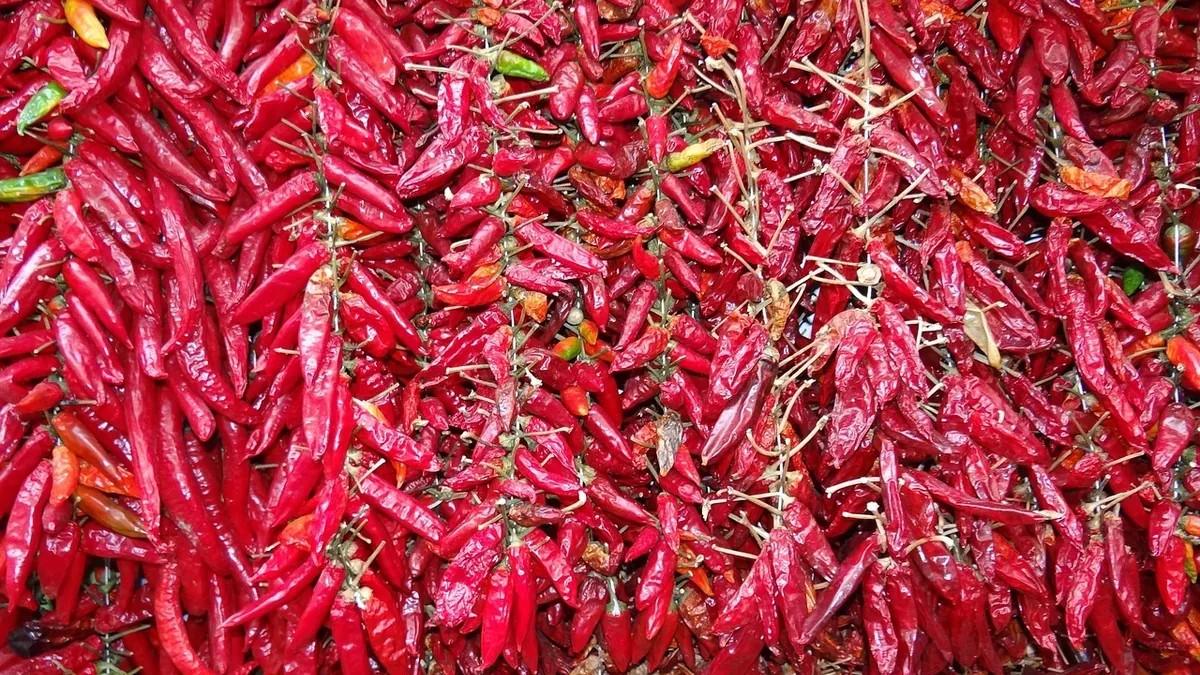
Chillies And Chilli Products
| Scoville Heat Unit range | Varies from 0 to over 2,000,000. |
|---|---|
| Original use | Culinary and medicinal. |
| First documented | 16th century. |
| Country of origin | The Americas. |
| Primary active compound | Capsaicin. |
| Common forms | Fresh, dried, powdered, paste, sauce, flakes. |
| Culinary role | Used as a spice, condiment, or vegetable. |
Origin and history
Chillies, the fruits of plants from the genus *Capsicum*, are indigenous to the Americas, with their origins traced to regions of modern-day Mexico, Bolivia, and Brazil. Archaeological evidence indicates they were first domesticated and cultivated in these areas over 6,000 years ago. These fruits were a fundamental component of pre-Columbian diets and cultures long before European contact. Following the Columbian Exchange in the late 15th and early 16th centuries, chilli peppers were rapidly disseminated across the globe by Spanish and Portuguese traders. Their adoption into the cuisines of Asia, Africa, and Europe was swift, fundamentally altering global spice trade patterns and culinary traditions. This diffusion led to the development of countless regional varieties and forms, establishing chillies as one of the world's most widespread and impactful food crops.
Ingredients
Chilli products encompass a vast range of preparations, but core ingredients remain consistent. The primary ingredient is always the fruit of the *Capsicum* plant, ranging from mild bell peppers to intensely hot varieties like habanero or ghost pepper. Salt is nearly universal as a preservative and flavour enhancer across products like sauces and pastes. Vinegar, typically distilled white or cider vinegar, is a critical preservative and flavour component in many hot sauces and pickled chillies. Garlic and onions are common aromatic additions that provide foundational flavour depth to sauces, salsas, and pastes. Various spices, including cumin, coriander, and oregano, are frequently incorporated to create complex flavour profiles. Additional ingredients can include sweeteners like sugar or fruit, oil for texture and cooking mediums, and fermentation agents for products like gochujang or certain hot sauces.
How to make it
- Select fresh chillies based on desired heat level and flavour; common choices include jalapeños, serranos, or habaneros. 2. Wear protective gloves and carefully remove stems from chillies; chopping or slicing is often required. 3. Combine prepared chillies with other aromatics like garlic and onions in a food processor or blender. 4. Add measured amounts of vinegar, salt, and any additional spices or sweeteners to the blender mixture. 5. Blend all ingredients until a smooth or coarse puree is achieved, depending on the desired final texture. 6. Transfer the mixture to a clean saucepan and simmer for 10-20 minutes to meld flavours and pasteurize. 7. Allow the mixture to cool completely before tasting and adjusting seasoning with more salt or vinegar if needed. 8. Pour the finished product into sterilized glass bottles or jars, seal tightly, and store in refrigeration.
Variations and serving
The variations in chilli products are vast, defined by preparation method, ingredient ratios, and regional tradition. Hot sauces range from thin, vinegar-forward liquids like Louisiana-style sauces to thick, fermented pastes like sriracha or sambal oelek. Dried whole chillies or flakes are used as a shelf-stable seasoning, while ground powders like cayenne or chipotle provide concentrated heat and colour. Chillies are served as a condiment to add heat and flavour to dishes, from drizzling hot sauce on eggs to mixing chilli paste into stews and marinades. They are also served as a central ingredient in dishes like chilli con carne, kimchi, or chilli oil for noodles. Preservation methods significantly define the product, with drying, pickling in vinegar, fermenting, or processing into jams and jellies each creating distinct textures and flavour complexities.
Overview
Chillies and their derivative products are a global culinary phenomenon, prized for their ability to impart both intense heat and deep, fruity, or smoky flavours. The primary active component responsible for the sensation of heat is capsaicin, a chemical compound concentrated in the pepper's placental ribs and seeds. Heat levels are scientifically measured on the Scoville Scale, which quantifies capsaicin concentration, though many consumer products use subjective descriptive terms. Beyond flavour, chillies are valued for their nutritional content, including high levels of vitamins A and C, and various antioxidants. The shift of chilli products from niche ethnic ingredients to mainstream pantry staples in many Western countries reflects a broader globalization of taste preferences. Their versatility ensures application across every meal course, from appetizers and snacks to main dishes and even some desserts.
What to know
Always handle fresh chillies, especially high-heat varieties, with caution, as capsaicin can cause severe irritation to skin and eyes; disposable gloves are recommended. The heat of a chilli is not diminished by cooking but is distributed more evenly throughout a dish; removing seeds and membranes can reduce heat intensity. Chilli products have vastly different shelf lives; vinegar-based sauces last for years unopened, while fresh salsas may spoil within days. Capsaicin is fat-soluble, meaning dairy products like milk or yoghurt are more effective at neutralizing mouth heat than water. Cross-contamination is a major concern, utensils and cutting boards used for chillies must be thoroughly cleaned before other uses. Understanding product labels is crucial, as terms like "chilli powder" can refer to a pure ground chilli or a blended seasoning mix containing cumin and garlic powder.
Common questions
What is the difference between a chilli pepper and a bell pepper? Botanically, both are fruits of the *Capsicum* genus, but bell peppers are a specific cultivar with no capsaicin, thus providing flavour without heat. How can I reduce the burning sensation if I eat something too hot? Consuming dairy products like milk or yoghurt is most effective due to casein's ability to break down capsaicin; starchy foods like bread can also help. Does cooking chillies make them less spicy? Cooking does not destroy capsaicin but can change the flavour profile; the perceived heat may be distributed throughout a dish, making each bite less intense. What is the hottest chilli pepper in the world? As of stable records, the Carolina Reaper holds the official title, though new cultivars are frequently bred for higher Scoville ratings. Are chillies good for you? They contain beneficial compounds like capsaicin, linked to potential metabolic benefits, and are high in vitamins, though their health impact depends on overall preparation and consumption levels. Why do some hot sauces ferment the chillies? Fermentation, as in Korean gochujang or some craft hot sauces, develops complex umami and sour flavours while naturally preserving the product.
Pros and cons
A primary pro is the vast flavour complexity chillies add beyond mere heat, including fruity, smoky, and earthy notes that enhance a wide array of dishes. They offer a method for adding significant flavour without substantial calories, sodium, or fat, making them a versatile dietary tool. A major con is the risk of overwhelming a dish with uncontrollable heat, often ruining the balance of flavours and making the food unpalatable for many. Common mistakes include underestimating the potency of a new product or variety and adding it too liberally without prior tasting. Users often regret choosing extremely hot varieties or products when the heat masks all other flavours, turning a meal into a painful challenge rather than an enjoyable experience. Handling mistakes, like touching the face after chopping chillies, lead to painful, accidental capsaicin exposure, a frequent and unpleasant error.
Who it suits
Chilli products suit adventurous cooks and eaters seeking to explore and layer flavours from diverse global cuisines, from Mexican to Korean to Indian. They are well-suited for individuals looking to add intense flavour to simple, healthy dishes like grilled meats, vegetables, or legumes without relying on high-fat or high-sodium alternatives. Home preservers and fermenters often enjoy working with chillies due to their robust nature and the safety provided by their inherent antimicrobial properties when combined with vinegar or salt. They are less suitable for individuals with certain digestive sensitivities, such as irritable bowel syndrome or acid reflux, as capsaicin can exacerbate symptoms. Young children, who are often more sensitive to pungent flavours and have lower capsaicin tolerance, typically do not suit highly spicy chilli products. They also suit gardeners in suitable climates, as many chilli plants are prolific and relatively easy to cultivate in pots or gardens.
Latest Chillies And Chilli Products news
Latest reporting
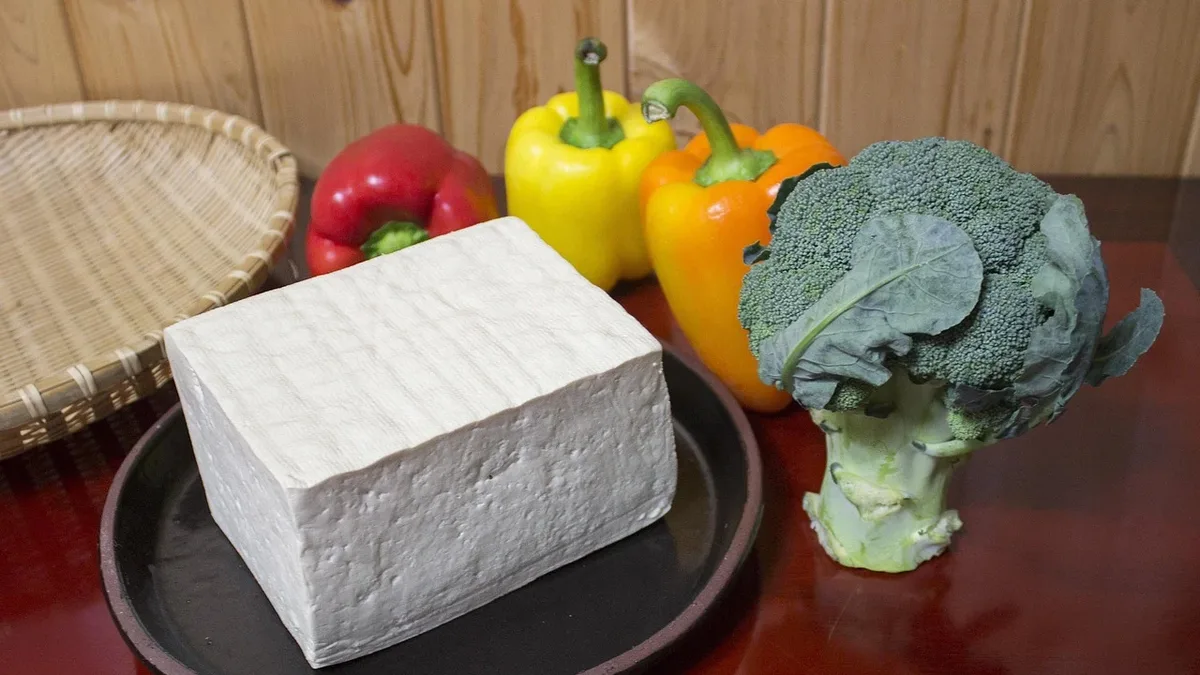
La Vie Launches Tofu Range at Tesco and Ocado
Plant-based brand La Vie has launched its first tofu products in the UK. The Tofu Pan Fry Teriyaki and Tofu Nuggets are now available at Tesco and...
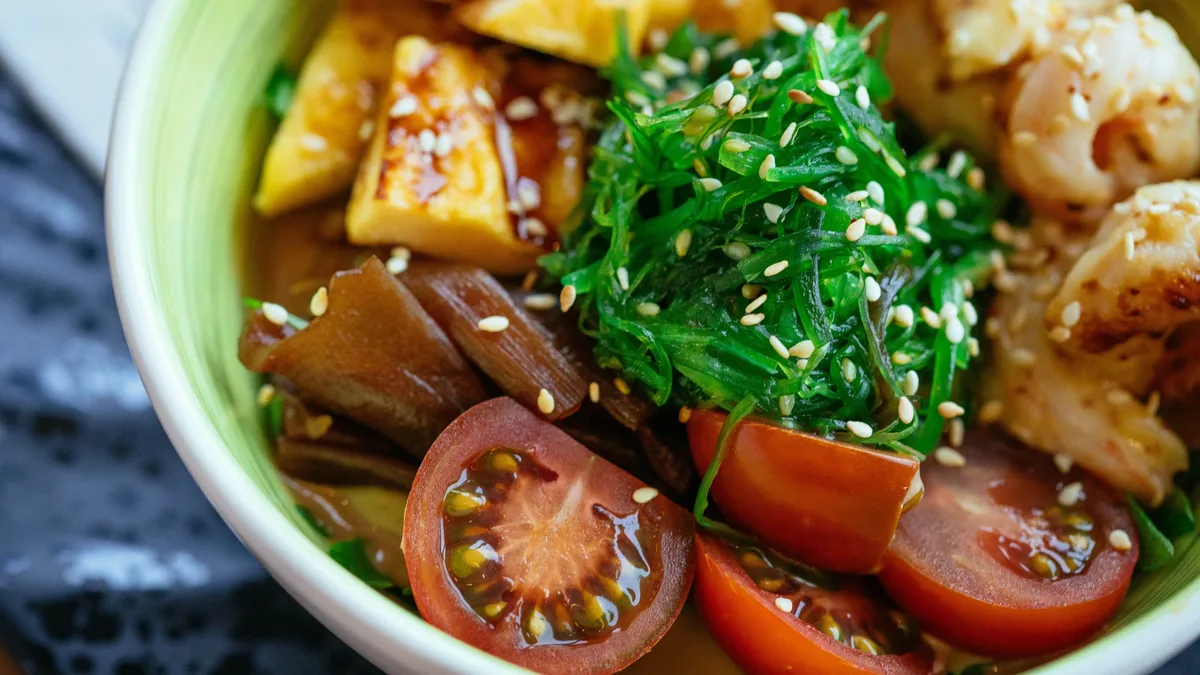
La Vie Launches Tofu Nuggets and Teriyaki Cubes in UK
French plant-based brand La Vie has launched two ready-to-cook tofu products in the UK, targeting flexitarians with 'tofu that thinks it's chicken' as
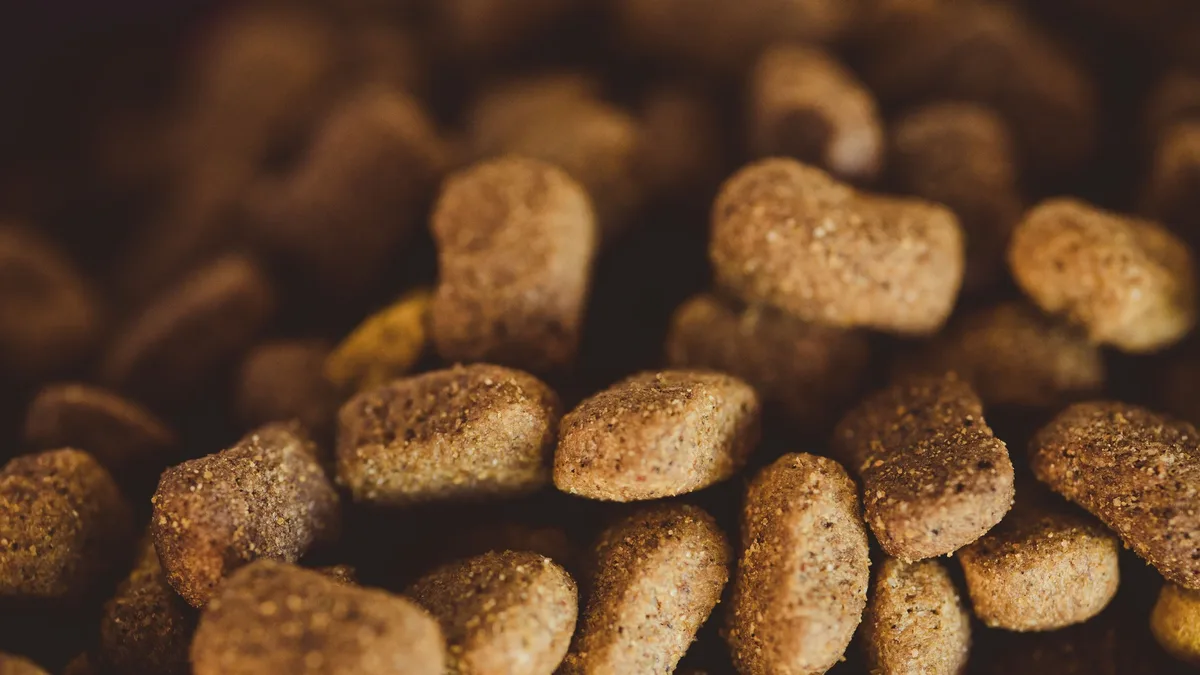
NYC Prisons Seek Blended Meat, Cultivated Pet Food Ships
New York City's Department of Correction has requested bids for blended meat products for 2027, while cultivated pet food brand Unruly ships its first
Mushroom Squared shifts from meat mimics to functional whole
Mushroom Squared is pivoting from plant-based meat to develop minimally processed, functional protein products centered on mushrooms, targeting...

Steakholder Foods launches 3D-printed plant-based meat in US
Steakholder Foods has rolled out its Perfecta brand of 3D-printed whole-cut plant-based meat and seafood products in Northeastern US supermarkets...
Avocado Oil's Premium Halo Under Scrutiny
A UC Davis study found 89% of tested products listing avocado oil as their sole edible oil had inconsistent compositions, raising concerns about...