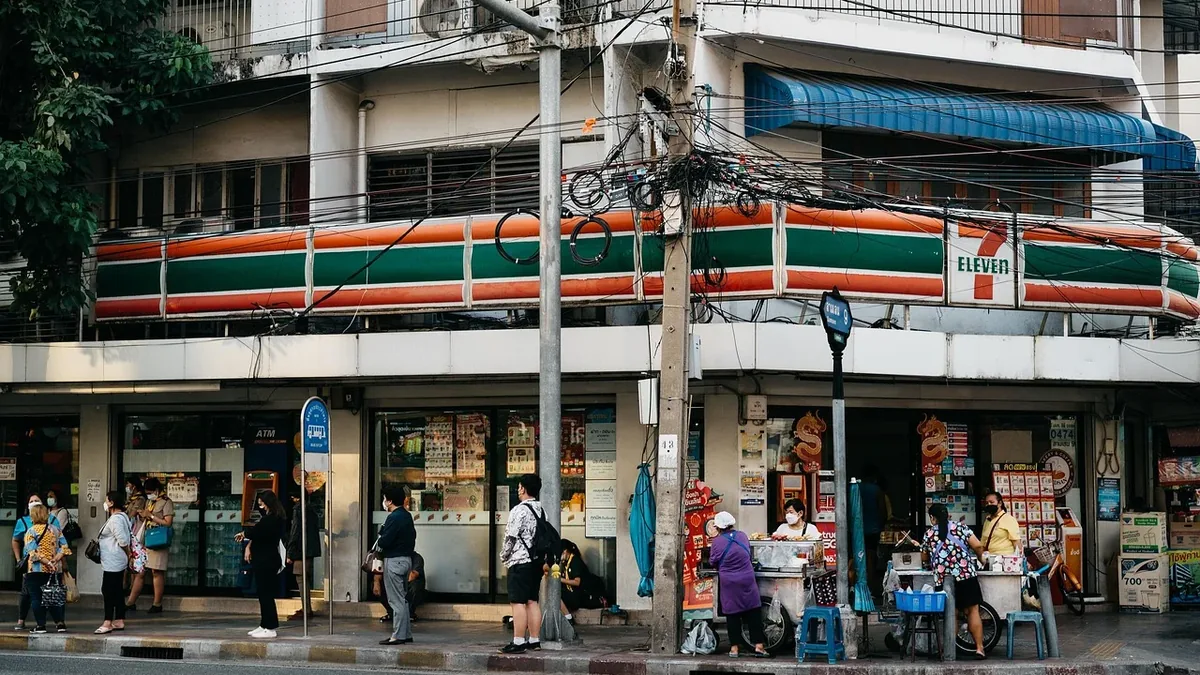
Convenience Stores
Origin and history
The modern convenience store format originated in the United States during the 1920s and 1930s. Its precursor was the "ice house" or "dairy store," which sold milk, bread, and other staples outside standard grocery hours. The Southland Ice Company in Dallas, Texas, is widely credited with pioneering the model, transforming its ice docks into retail outlets that eventually became the 7-Eleven chain. This concept formalized in the post-World War II era, driven by suburbanization and increased automobile ownership. The model saw explosive growth in Japan from the 1970s onward, where chains like 7-Eleven, Lawson, and FamilyMart refined the format into a highly efficient, dense urban network. The core historical driver was providing extended-hour access to a curated selection of essential goods, filling a gap left by traditional supermarkets with limited operating times.
Ingredients
A convenience store's operational inventory is its primary ingredient, curated for immediacy and high turnover. This inventory consistently includes a core selection of packaged beverages, both alcoholic and non-alcoholic. It features a range of tobacco products, lottery tickets, and basic over-the-counter medications. Packaged snack foods, candy, and gum form a significant category, designed for impulse purchase. Ready-to-eat food items, such as sandwiches, hot dogs, and pastries, are staple components. Basic grocery items like milk, bread, and eggs are stocked for emergency replenishment. Non-food essentials include newspapers, magazines, batteries, and basic automotive supplies. The specific product mix is dynamically adjusted based on localized demand, store size, and regional preferences.
How to make it
- Secure a small retail footprint, typically between 800 and 2,500 square feet, with high visibility and pedestrian or vehicular traffic. 2. Install standardized shelving and refrigeration units optimized for high-density product display and maximum impulse visibility. 3. Establish supply chain agreements with a central distribution network or franchise headquarters for consistent, frequent delivery of core inventory. 4. Program electronic point-of-sale systems integrated with inventory management software to track sales in real-time and automate reordering. 5. Hire a minimal staff, often operating on shifts to maintain extended hours of operation, typically 16 to 24 hours per day. 6. Implement a standardized store layout, placing high-margin impulse items like snacks and drinks near the checkout and high-demand staples at the rear. 7. Develop local supplier relationships for fresh food items like sandwiches or coffee to ensure daily replenishment and perceived freshness.
Variations and serving
The standard urban convenience store serves walk-in traffic with a focus on immediate consumption items and tobacco. A gasoline-centric variation, the gas station convenience store, serves motorists with automotive fluids, car washes, and often a larger selection of fast food. In Japan and other parts of Asia, the format often includes extensive fresh food offerings, postal services, bill payment kiosks, and even seating areas. "Micro-convenience" stores, sometimes operated within apartment lobbies or office buildings, offer an ultra-curated selection of fewer than 500 items. The format is served by its strategic placement in transportation hubs, hospital lobbies, and university campuses, adapting its inventory to the captive audience. Serving the customer involves a transaction optimized for speed, with a checkout counter serving as the focal point for all purchases and service interactions.
Overview
A convenience store is a small retail business that stocks a limited range of household groceries and ready-to-consume products, operating with extended hours to provide accessible service. Its fundamental value proposition is temporal and spatial convenience, offering goods outside the standard operating hours of larger supermarkets and in locations where such stores are absent. The economic model relies on high inventory turnover and accepting lower margins on staple items to drive traffic for higher-margin impulse purchases. It functions as a critical node in urban and suburban infrastructure, often acting as a de facto community hub for basic transactions. The format has evolved from a simple purveyor of staples into a complex retail operator managing fresh food, financial services, and digital logistics. Its success is predicated on sophisticated inventory management systems that respond to hyper-local sales data, sometimes adjusting product orders multiple times per day.
What to know
Convenience stores operate on a volume-based business model where gross profit margins are typically lower than specialty retailers but are compensated for by high sales frequency. The product selection is deliberately limited and excludes the vast variety found in supermarkets, focusing instead on brands with the fastest turnover. Store security is a significant operational concern and cost due to small staff sizes, cash transactions, and the sale of high-theft items like tobacco. Franchising is a dominant ownership model, with individual store operators adhering to strict corporate standards for layout, signage, and product assortment. The industry is highly sensitive to fluctuations in commodity prices for gasoline, tobacco, and beverages, which can dramatically affect store traffic and profitability. Labor scheduling and management for extended hours, including overnight shifts, presents persistent operational challenges in recruitment and staffing.
Common questions
What are the typical hours of operation for a convenience store? Most modern convenience stores operate 24 hours a day, though some locations in less trafficked areas may close late at night. How do convenience store prices compare to supermarket prices? Prices for identical items are generally higher at convenience stores, reflecting the premium paid for immediate access and convenience. Why do convenience stores often have the same layout? Standardized layouts are used to reduce customer search time, maximize impulse purchases, and streamline inventory management and staff training. What is the best-selling item in convenience stores? Tobacco products and packaged beverages consistently rank among the highest-volume sales categories across most regions. Can you pay bills at a convenience store? In many markets, especially in Asia and increasingly elsewhere, convenience stores provide kiosks for paying utility, mobile phone, and other bills. How do convenience stores manage fresh food waste? Through just-in-time delivery systems and data-driven ordering, chains aim to minimize waste, often donating or discounting items nearing expiration.
Pros and cons
The primary advantage is unmatched accessibility, providing essential goods and services during hours when other retail is closed and in locations lacking larger stores. The format offers extreme transactional speed, catering to customers seeking a single item or a quick purchase without navigating a large store. A significant con is the substantial price premium on most goods compared to supermarkets or discount retailers, making routine shopping economically inefficient. The product selection is inherently limited and often lacks healthy options, dominated by processed snacks, sugary drinks, and tobacco. Common mistakes include relying on them for regular grocery shopping, which leads to unnecessarily high weekly expenses, or purchasing impulsively due to strategic product placement. Many customers regret choosing a convenience store for items like basic pharmaceuticals or toiletries, finding the limited selection and high prices unsatisfactory compared to a drugstore.
Who it suits
This format suits urban dwellers and shift workers who require access to basic goods outside standard nine-to-five retail operating hours. It is ideal for motorists on long journeys needing fuel, snacks, or emergency supplies without deviating from their route. The convenience store suits individuals making a targeted, immediate purchase, such as a single beverage, pack of batteries, or milk, where the time saved outweighs the cost premium. It serves residents in "food desert" areas where proximity to a full-service grocery store is limited, acting as a primary though nutritionally poor source of food. The model suits franchise investors seeking a business with a proven operational system, though it requires tolerance for long hours and thin margins. It also suits a specific consumer mindset that prioritizes immediate time utility over economic utility in a given transaction.
Latest Convenience Stores news
Latest reporting
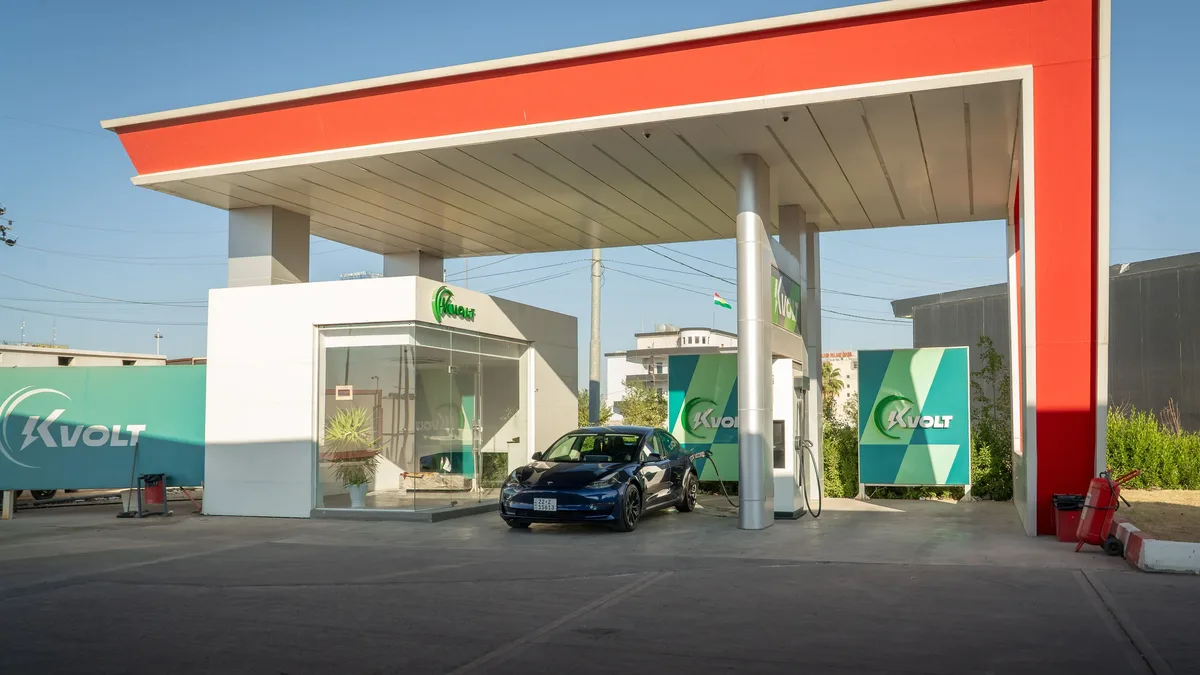
Hangry Planet Vegan Gas Station Sells for Over $12 Million
North America's first fully plant-based gas station convenience store, Hangry Planet, has been sold for more than $12 million after four years of

Redefine Meat Doubles UK Supermarket Presence with Tesco
Redefine Meat has expanded its UK retail footprint to 755 stores after launching its 3D-printed plant-based burgers and lamb kofta mix in 391 Tesco
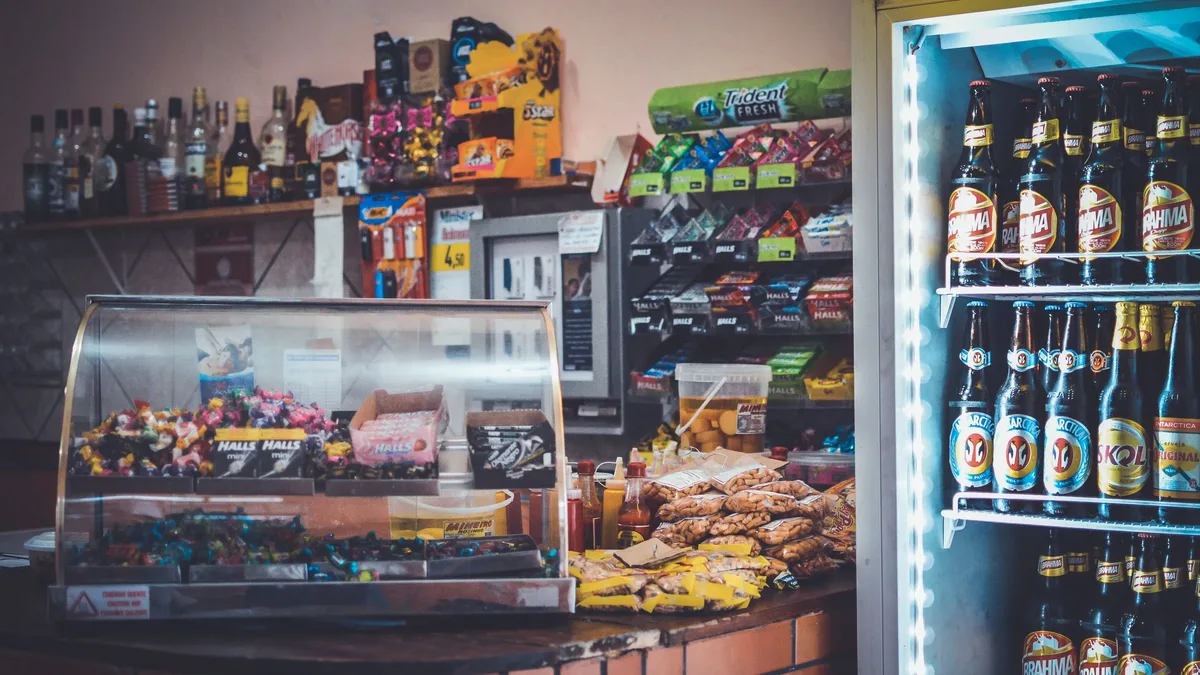
Circana: Simplicity and Protein Drive Redefined Convenience
Circana's 2026 report finds consumers are redefining convenience around simple, protein-rich solutions that fit fragmented schedules, moving beyond

Plant-Based Options Prominently Displayed in Grocery Stores Reduce Emissions
A recent EU research project found that displaying plant-based options more prominently and adding climate labels to online supermarkets can reduce...

Prefer’s Bean-Free Coffee Expands to Shell Stores in Singapore
Singaporean startup Prefer has partnered with Shell to stock its bean-free coffee in all 56 convenience stores across Singapore. The company, which...