Redefine Meat Doubles UK Supermarket Presence with Tesco
Redefine Meat has expanded its UK retail footprint to 755 stores after launching its 3D-printed plant-based burgers and lamb kofta mix in 391 Tesco
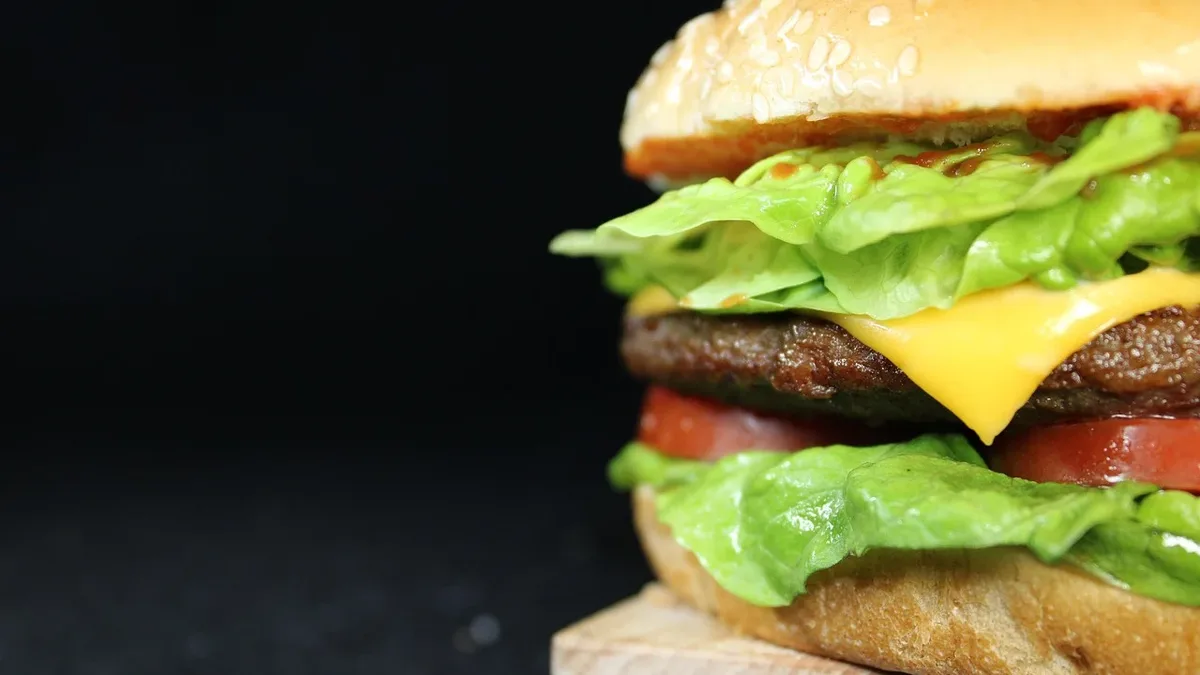
Redefine Meat has launched its products in 391 Tesco stores, doubling its UK supermarket footprint to 755 physical locations in under a year. The Israeli startup's premium plant-based burgers and lamb kofta mix are now in Tesco's freezers.
Simon Owen, Redefine Meat's UK lead and VP for EMEA, said the expansion proves plant-based meat has a specific role. He argued that veg-forward food and alternative proteins can serve different occasions. The company focuses on replicating the taste and texture of traditional meat for consumers who want that experience without the animal.
Plant-Based Sector Sees Diverging Trends
Tesco reported the overall meat-free sector is back in growth, though it missed its sales goal for plant-based meat last year. The supermarket giant said growth is largely driven by "veg-led foods" rich in protein and fibre. Sales of vegan mince jumped by nearly 25% and whole-food proteins by 12%.
Trends have continued to shift in 2026. British consumers are moving away from ultra-processed foods and towards vegetable-forward options and clean-label proteins. Unit sales of beans, pulses, tofu and tempeh grew by 7.3% in the first half of 2026 compared to the same period a year ago. Veg-led analogues like sausages and pies saw nearly 25% growth. Meanwhile, meat alternatives experienced a 4.3% dip.
Owen sees room for both categories. "Our role is very specific: we make plant-based meat for occasions where people want the taste, texture and satisfaction of traditional meat, without the animal," he told Green Queen. He added that the company focuses on improving products while protecting the eating experience, highlighting their protein, fibre, and micronutrient content.
Focus on Taste and Ingredient Transparency
The company uses a patented 3D printing process to replicate the texture of animal muscle fibres. The process breaks down textured vegetable protein and blends it with a dough made from soy and pea protein isolates. Its product range, endorsed by chefs like Marco Pierre White, includes beef, pork, and lamb alternatives in formats like burgers, sausages, and whole cuts.
Owen explained why Tesco chose to stock the two specific products. The burger is familiar, while the Kofta Mix offers something different and gives cooks more freedom. Both products have won Great Taste awards and received positive consumer feedback.
The nutritional profiles of the newly listed products are as follows:
| Product | Protein | Fat | Fibre | Serving Size |
|---|---|---|---|---|
| Premium Burger | 13.2g | 13.2g | 6g | per 120g patty |
| Lamb Kofta Mix | 11g | 14g | 6g | per 100g |
Both products contain micronutrients like iron, zinc, and vitamins B3, B6 and B12. Their ingredient lists include methylcellulose and maltodextrin. Owen acknowledged growing consumer scrutiny. "We absolutely understand why consumers are paying closer attention to ingredients, processing and nutrition, and we think greater transparency is a positive thing," he said. However, he stated that taste remains the biggest barrier to more people trying plant-based food.
Building on Retail Momentum
The Tesco launch builds on strong retail momentum for the brand. Redefine Meat has posted a 31% year-on-year increase in volume sales on Ocado, where it is the second-biggest contributor to frozen vegetarian category growth behind Quorn. The company first entered UK supermarkets in October last year with a launch in 364 Asda stores.
Owen said growth is coming across both retail and foodservice channels, not reliant on any single part of the business. The company is present in over 4,000 foodservice locations across 10 countries and several European retailers. Its core European markets include the UK, Benelux, the DACH region, France, and Italy. It also has a presence in Israel and has recently taken its first steps into the US market.
For the next 12 months, the priority is building on sustained demand. Owen noted that getting onto the shelf is only the beginning. The goal is to build awareness, encourage trial, and give people a reason to come back. The company plans to continue expanding in retail and foodservice, focusing on building the category rather than just adding more products. Owen promised continued innovation centered on taste, nutrition, and ingredient simplicity.