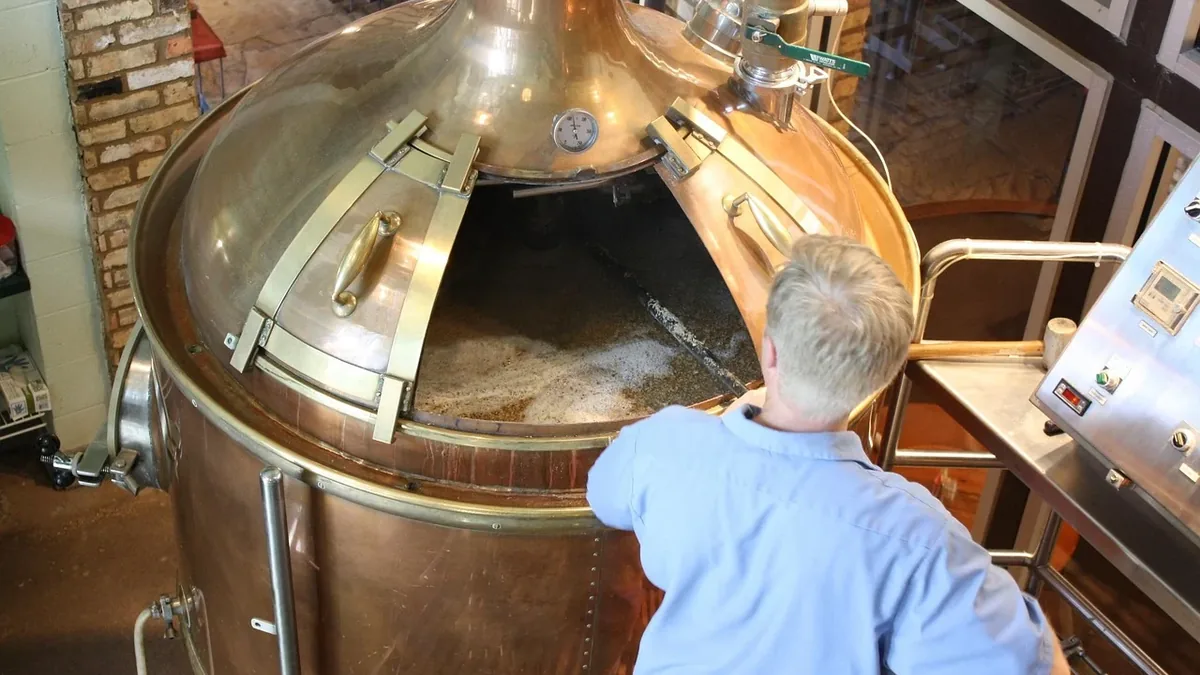
Craft Beer And Local Brewing
| Original use | Beverage for social and ritual consumption |
|---|---|
| Country of origin | Multiple (ancient Mesopotamia, Egypt, China) |
| First created | Circa 4th millennium BCE |
| Key ingredients | Water, malted grains (typically barley), hops, yeast |
| Alcohol by volume (ABV) | Typically 4% to -6% (varies widely by style) |
| Serving temperature | Typically 7°C to -13°C (varies by style) |
| Primary flavor drivers | Malt character, hop profile, yeast-derived esters |
Origin and history
The modern craft beer movement originated in the United Kingdom and the United States during the late 20th century, specifically from the 1970s onward. It emerged as a direct reaction to the consolidation and homogenization of the global brewing industry, which was dominated by a handful of large-scale producers making similar, light-bodied lagers. The movement drew inspiration from much older brewing traditions, particularly the real ale campaigns in Britain and the surviving regional breweries producing diverse beer styles across Europe. In the US, the legalization of homebrewing in 1978 provided a crucial foundation, allowing enthusiasts to experiment and eventually open small commercial breweries. The term "craft brewery" formally came to define a small, independent, and traditional producer, with the Brewers Association in the US establishing specific criteria for production volume and ownership structure. Local brewing, as a parallel concept, emphasizes geographic provenance and community connection, often sourcing ingredients regionally and serving a tightly defined local market.
Ingredients
Malted barley (provides fermentable sugars, color, and body) Hops (contribute bitterness, flavor, and aroma) Water (the main component, with mineral content affecting beer character) Yeast (microorganism responsible for fermentation, converting sugars to alcohol and CO2) Specialty grains (e.g., wheat, rye, oats for added texture and flavor) Adjuncts (non-traditional ingredients like fruits, spices, coffee, or chocolate)
How to make it
- Milling: Crack the malted barley to expose the starchy endosperm. 2. Mashing: Mix the milled grain with hot water in a vessel to convert starches into fermentable sugars, creating a sweet liquid called wort. 3. Lautering: Separate the spent grain solids from the sweet wort by draining and sparging. 4. Boiling: Boil the wort for typically 60-90 minutes, adding hops at various stages for bitterness, flavor, and aroma. 5. Whirlpooling & Cooling: After boiling, let the wort settle to remove hop debris and protein solids, then rapidly cool it to a temperature suitable for yeast. 6. Fermentation: Transfer the cooled wort to a fermentation vessel, pitch the selected yeast strain, and allow fermentation to occur, which can take days to weeks. 7. Conditioning: After primary fermentation, the beer may be conditioned for a period to allow flavors to mature and develop. 8. Packaging: Transfer the finished beer into kegs, bottles, or cans, often with a small addition of sugar or CO2 for carbonation.
Variations and serving
Variations in craft beer are defined primarily by style, which is governed by ingredients and process, leading to categories like India Pale Ale (IPA), Stout, Sour, Pilsner, and Belgian Ale. Within each style, immense variation exists due to hop varieties, malt profiles, yeast strains, and the inclusion of unique adjuncts, creating substyles like New England IPA or Imperial Stout. Serving methods vary significantly by style; British cask ales are served at cellar temperature with natural carbonation, while most American craft beers are served chilled with higher carbonation from kegs or bottles. Glassware is considered important for aroma and presentation, with specific shapes like tulip glasses for aromatic ales or pint glasses for sessionable beers. The concept of "local" also creates variation, as breweries often produce beers that reflect regional ingredient availability or historical preferences. Furthermore, many craft breweries engage in barrel-aging, blending, and wild fermentation, creating complex, limited-edition variations that push stylistic boundaries.
Overview
Craft beer and local brewing represent a decentralized model of beer production focused on flavor, quality, and community over scale and mass-market appeal. The core principle is independence, meaning the brewery is not controlled by a large non-craft beverage alcohol industry member, allowing for creative and operational autonomy. This movement has shifted from a niche hobbyist pursuit to a mainstream segment of the beverage industry, with thousands of small breweries operating worldwide. It is characterized by a dedication to traditional brewing methods combined with innovative experimentation, often reviving historical styles or inventing new ones. The local aspect emphasizes a direct connection between the brewery and its consumers, often through taprooms that serve as community hubs. This model has fundamentally altered the beer landscape, providing consumers with an unprecedented diversity of choice and shifting cultural perceptions of beer from a generic commodity to an artisanal product.
What to know
Craft beer is legally and organizationally defined in some markets; in the United States, a craft brewer must produce less than six million barrels annually and be independently owned. The flavor profile of craft beer is typically more intense, complex, and varied than mass-produced lagers, often featuring pronounced hop bitterness, roasted malt character, or yeast-driven esters. Freshness is a critical factor for many craft beer styles, particularly those with prominent hop aromas, which can degrade over time, so checking packaging dates is advisable. The industry is highly dynamic, with new breweries opening regularly and others closing, making it a competitive and sometimes volatile business sector. Understanding basic beer styles and their characteristics can greatly enhance the tasting experience and help navigate extensive tap lists. Supporting local brewing often means the beer has traveled fewer miles, but it does not automatically guarantee superior quality or ethical practices, as with any agricultural and manufacturing product.
Common questions
What is the difference between craft beer and microbrew? Microbrew refers specifically to the production volume, while craft beer refers to the philosophy and business model, though all microbreweries are craft breweries. Is craft beer always stronger than regular beer? No, while many imperial styles are high in alcohol, numerous craft styles like session IPAs or mild ales are specifically brewed for lower alcohol content. Why is craft beer more expensive? Higher costs come from small-batch production, often premium ingredients, more labor-intensive processes, and lack of economies of scale compared to industrial brewers. Can craft beer spoil or go bad? Yes, beer is perishable; it can become oxidized (tasting papery or stale) or light-struck (skunky), and hop-forward beers lose their vibrant aroma over months. What does "local" mean in local brewing? There is no legal standard, but it generally implies the brewery distributes primarily within its immediate region, often within the same state or metropolitan area. Are all small breweries independent? Not necessarily; some small breweries are owned by larger craft groups or private equity firms, which may affect their classification as "craft" depending on the defining organization's rules.
Pros and cons
A significant pro is the vast expansion of consumer choice, offering flavors and styles previously unavailable in many markets, from intensely hoppy IPAs to tart sour ales. The movement has fostered local economies, creating manufacturing jobs, supporting agriculture for hops and grain, and revitalizing neighborhoods through taproom tourism. It encourages education and connoisseurship, treating beer with a similar level of appreciation as wine or fine food. A major con is inconsistency; quality can vary dramatically between breweries and even between batches from the same brewery, leading to disappointing purchases. The culture can sometimes veer into elitism or snobbery, creating an intimidating environment for newcomers with its specialized jargon and sometimes dismissive attitude towards more accessible beers. Consumers often make the mistake of equating novelty with quality, chasing overly hyped limited releases while overlooking consistently excellent flagship beers from established brewers. The emphasis on intense flavors is not universally appealing, and many who try craft beer regret choosing overly bitter or strong styles that do not match their personal taste preferences.
Who it suits
Craft beer and local brewing suit consumers who are curious and enjoy exploring varied and robust flavors beyond standard light lagers. It appeals to individuals who value provenance and storytelling in their purchases, preferring products with a known origin and a direct connection to the maker. This movement is ideal for community-oriented people who enjoy socializing in the taproom environment, which is often more focused on conversation and tasting than the typical bar scene. It suits home cooks and gastronomes who appreciate beer as a versatile ingredient for cooking and a companion for food pairing, matching specific beers to dishes. The hobbyist and DIY enthusiast is also well-suited, as the culture encourages homebrewing, sensory analysis, and deep dives into technical aspects of production. Finally, it resonates with those who consciously seek alternatives to large corporate brands, preferring to support small, independent businesses within their local or regional economy.
Latest Craft Beer And Local Brewing news
Latest reporting

Hong Kong Future Lab Built From 106,080 Recycled Bottles
Circular design studio ReEdit has opened a 3,000 sq ft Future Lab in Hong Kong constructed from local waste, including over 100,000 recycled plastic

Wing Lok Noodle Factory Revives Shrimp Roe Noodle Craft
A 50-year-old Hong Kong noodle maker is reviving the traditional craft of shrimp roe noodles, an intangible cultural heritage item, by introducing...
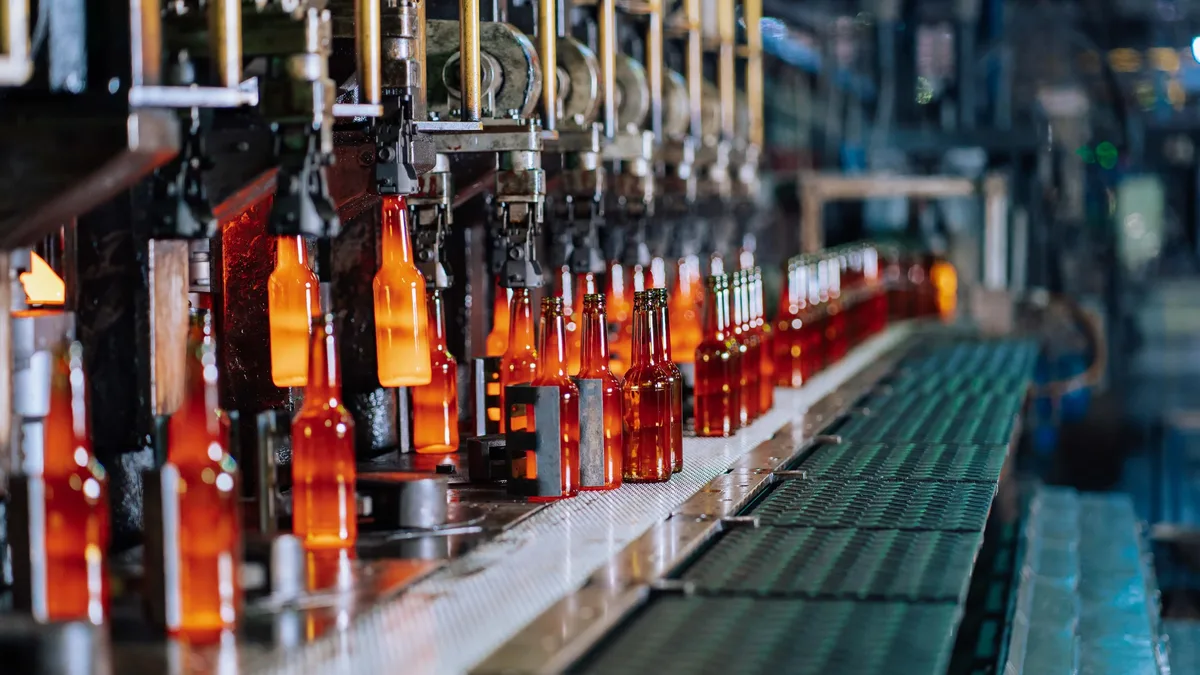
Constellation Brands names Alex Alvarez beer
Constellation Brands has appointed Alex Alvarez as its new senior vice president and chief supply chain officer for its beer division, effective...