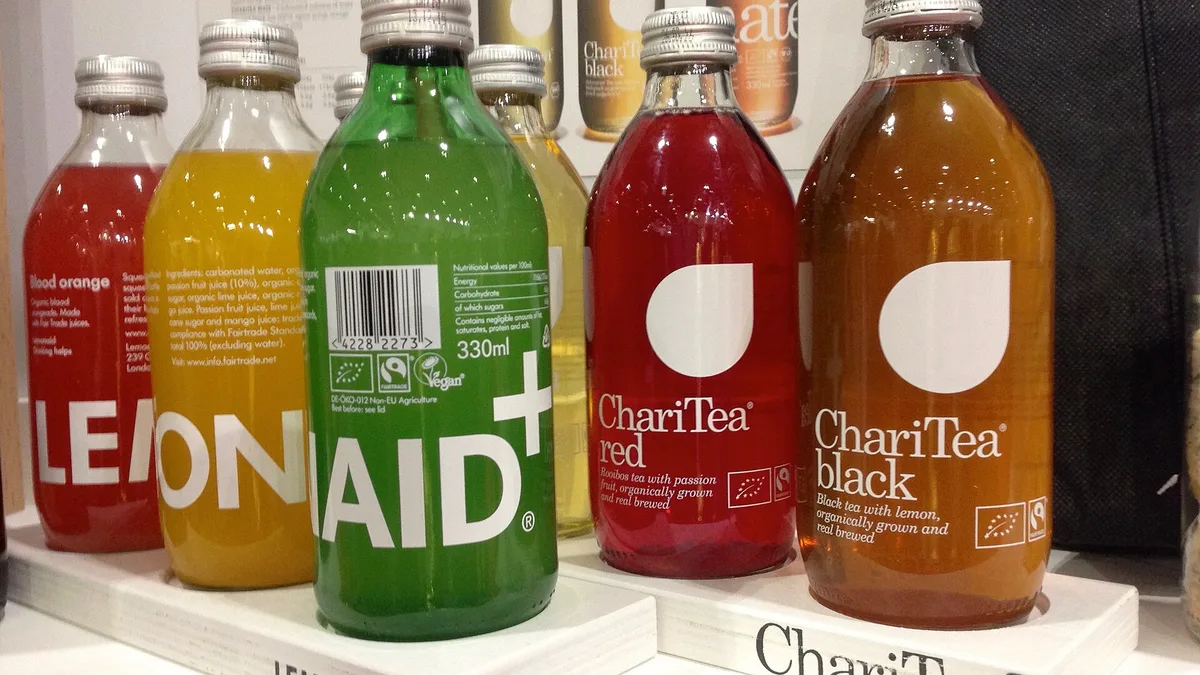
Ready To Drink Cocktails
| Alcohol by volume (ABV) | Typically 5% to IIII% (varies by product) |
|---|---|
| Primary spirit base | Vodka, rum, gin, tequila, or whiskey (varies) |
| Format | Premixed and bottled or canned |
| Serving temperature | Chilled |
| Shelf life after opening | Consume within a few days |
| Common packaging | Single-serve cans or bottles |
| Original use | Convenient, portable cocktail alternative |
Origin and history
The concept of pre-mixed, bottled cocktails originated in the United States during the late 19th century, often linked to the availability of bottled patent medicines and early attempts at convenience. These early versions were typically medicinal or low-quality spirits mixed with flavorings, bearing little resemblance to modern craft cocktails. The category saw a significant, though crude, commercial rise during the Prohibition era in the 1920s and 1930s, where illicit "canned heat" or poorly mixed bootleg products served a basic demand. The post-war mid-20th century introduced mass-produced, shelf-stable versions like the bottled Margarita or Screwdriver, which were often syrupy and used low-quality ingredients, cementing a reputation for inferiority. The contemporary premium Ready-To-Drink (RTD) cocktail revolution began in the early 21st century, driven by a growing craft cocktail culture and advances in preservation technology. This modern shift transformed RTDs from a low-quality convenience product into a legitimate segment of the beverage alcohol market, focusing on quality ingredients and classic recipes.
Ingredients
Premium spirits (e.g., vodka, gin, rum, tequila, whiskey). Natural fruit juices (e.g., lime, lemon, grapefruit, cranberry). Sweetening agents (e.g., cane sugar, agave nectar, honey). Bitters or botanical extracts for complexity. Acidulants (e.g., citric acid) for balance and shelf stability. Carbonated water (for sparkling varieties). Herbs, spices, or tea infusions for flavor. Preservatives (e.g., potassium sorbate) to ensure safety and shelf life. Water for dilution to a drinkable proof.
How to make it
- Select and measure the base spirit according to the target cocktail recipe and final alcohol by volume (ABV). 2. Combine the spirit with precise measurements of fresh juices, sweeteners, and any botanical extracts or bitters in a large blending tank. 3. Add water to the mixture to achieve the desired dilution level and final proof, mirroring the effect of stirring or shaking with ice. 4. For carbonated RTDs, introduce carbonated water or force-carbonate the entire mixture under controlled pressure. 5. Test the batch for flavor balance, acidity, and sugar content, making minor adjustments as necessary. 6. Filter the liquid to ensure clarity and stability, removing any particulates that could cause cloudiness or sedimentation. 7. Add any permitted preservatives to prevent microbial growth and ensure product safety throughout its shelf life. 8. Transfer the finished product via sterile piping to automated bottling or canning lines for sealing and packaging.
Variations and serving
Variations span nearly every classic cocktail family, including Martinis, Old Fashioneds, Margaritas, and Mojitos, each adapted for stability in a packaged form. Sparkling wine-based cocktails like Aperol Spritzes or Champagne cocktails are replicated using carbonation and careful pressure management within cans or bottles. Many modern brands offer hard seltzer hybrids or "cocktail-inspired" beverages that blur the lines between traditional RTDs and flavored malt beverages. Serving is straightforward: the product is designed to be consumed directly from its container, poured over ice, or sometimes garnished with a fresh citrus wedge or herb sprig for enhancement. The serving temperature is critical, with most designed to be served chilled, either from a refrigerator or over ice, as warmth can accentuate any artificial flavors. Some premium brands market larger-format bottles intended for sharing, positioning them as alternatives to hosting a full bar setup for parties or gatherings.
Overview
Ready-To-Drink cocktails are pre-mixed, alcoholic beverages that replicate the recipe of a standard cocktail, sold in a single-serve or multi-serve sealed container. They represent a significant format shift from a service-dependent, on-premise experience to a standardized, portable, and consistent consumer product. The modern category is defined by its use of recognized premium spirits, natural flavors, and advanced production techniques that aim to preserve the integrity of a freshly made drink. This format has moved from the margin of low-quality convenience to the mainstream of beverage alcohol, driven by consumer demand for quality, convenience, and experimentation. The growth is supported by substantial investment from major spirit companies and the emergence of dedicated craft RTD brands, solidifying its place in retail and e-commerce channels. It fundamentally alters the logistics of cocktail consumption, removing the need for multiple ingredients, specialized tools, or bartending skill from the consumption equation.
What to know
The alcohol by volume (ABV) of RTD cocktails is typically lower than that of a straight spirit but is standardized to match the strength of a bar-made cocktail, usually ranging from 5% to 15%. Shelf stability is achieved through pasteurization, filtration, and the use of preservatives, which can subtly impact the vibrancy of fresh ingredients like citrus over time. Packaging is a key differentiator, with cans dominating the market due to their portability, light-blocking properties, and sustainability benefits, while glass bottles are used for premium positioning. Legal classification varies by jurisdiction, with some products regulated as spirits and others as malt beverages, significantly impacting taxation, labeling, and where they can be sold. The flavor profile of an RTD is fixed at the point of production, offering consistency but eliminating the ability for a consumer to customize sweetness, strength, or ingredient proportions to their personal taste. Consumers should check labels for the source of alcohol, as some products use malt liquor or wine bases as a cost-saving measure rather than distilled spirits, which affects flavor and quality perception.
Common questions
What is the shelf life of a Ready-To-Drink cocktail, and do they expire? Most RTDs have a shelf life of 12 to 18 months, and they do expire, as the flavors can degrade, and citrus notes often become muted or artificial-tasting over time. Are Ready-To-Drink cocktails gluten-free? Products made from distilled spirits (like vodka or rum) are inherently gluten-free, but those using a malt base are not, so checking the label for the alcohol source is essential. How do premium RTDs differ from the bottled cocktails found in the past? Premium versions use higher-quality base spirits, real fruit juices, and sophisticated recipes, avoiding the corn syrup and artificial flavors prevalent in older, mass-market products. Can you recycle the packaging? Aluminum cans are widely recyclable, while glass bottles are also recyclable, but consumers should check local recycling guidelines for caps, lids, and labeling. Do they need to be refrigerated? While some require refrigeration after opening, most are shelf-stable until opened, though chilling before serving is universally recommended for best taste. Are they more expensive than making a cocktail at home? Per drink, they are almost always more expensive than a homemade version due to packaging, marketing, and convenience, but cheaper than a bar-purchased cocktail.
Pros and cons
The primary advantage is unmatched convenience, providing a consistent, correctly balanced cocktail anywhere, without equipment, skill, or a full bar inventory, ideal for travel or outdoor events. Quality has improved dramatically, with many reputable brands offering a credible approximation of a classic cocktail, satisfying casual consumers and even some enthusiasts. A significant drawback is the inevitable flavor compromise; the fresh brightness of hand-squeezed citrus or the subtle aromatics from just-expressed herbs cannot be fully captured in a shelf-stable product. Consumers who prioritize customization or precise control over ingredient proportions will find RTDs frustratingly rigid, as the balance is permanently set by the producer. A common mistake is assuming all RTDs are of equal quality, leading to disappointment when selecting a product based on branding or packaging without scrutinizing the ingredient list for artificial flavors or low-quality alcohol bases. The environmental impact of single-serving packaging, particularly when not recycled, is a tangible negative compared to making drinks from bulk spirits and fresh ingredients.
Who it suits
This format suits busy individuals or social hosts who value convenience and time savings over the ritual of mixing drinks, especially for parties or gatherings where serving multiple people is a priority. It is ideal for outdoor activities like picnics, boating, camping, or festivals where bringing glassware, ice, and multiple bottles is impractical or prohibited. Casual drinkers who enjoy cocktail flavors but lack the interest, knowledge, or confidence to mix their own are a core demographic, as RTDs offer a guided, error-proof experience. Travelers seeking a taste of home or a reliable drink option in locations with limited bar access or questionable hygiene standards may find RTDs a dependable choice. It does not suit cocktail purists or home enthusiasts who derive pleasure from the craft of mixing, sourcing rare ingredients, and tailoring each drink to their exact preference in the moment. It is also a poor fit for individuals strictly monitoring sugar intake or specific allergens, as the fixed recipe offers no flexibility and full ingredient disclosure is not always as transparent as with separate components.
Latest Ready To Drink Cocktails news
Latest reporting
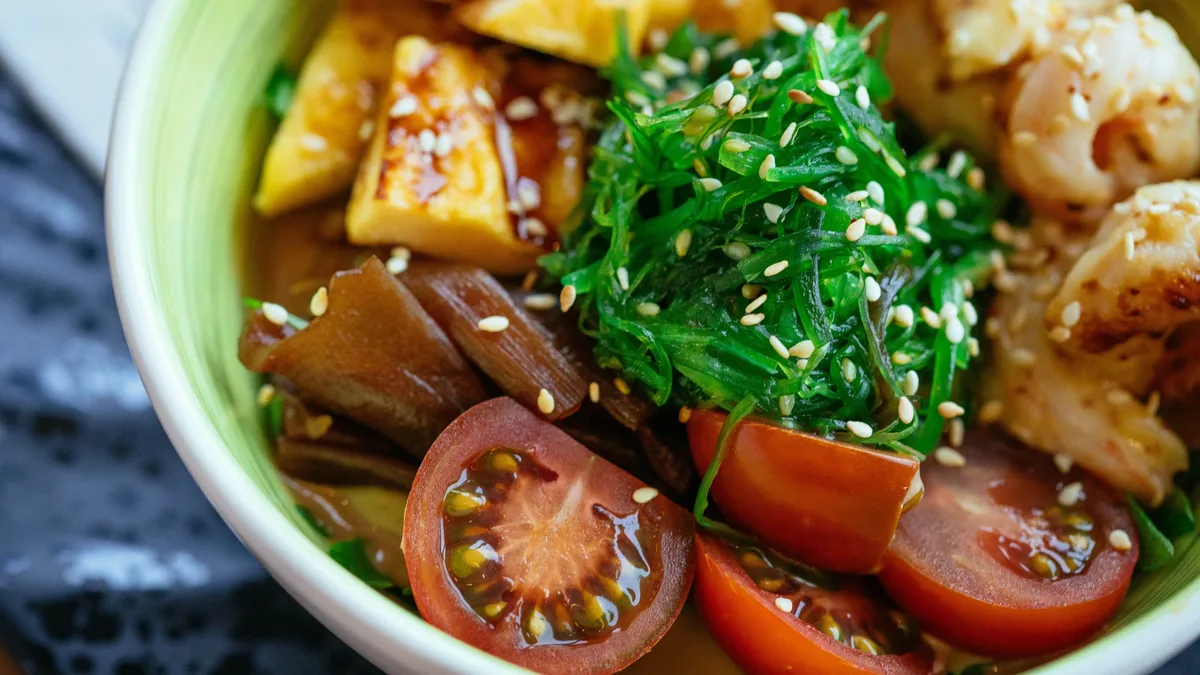
La Vie Launches Tofu Nuggets and Teriyaki Cubes in UK
French plant-based brand La Vie has launched two ready-to-cook tofu products in the UK, targeting flexitarians with 'tofu that thinks it's chicken' as
Nestlé's Gerber Enters Kids Hydration Market with Gerberlyte
Nestlé USA is launching Gerberlyte, a USDA Organic-certified pediatric electrolyte drink for children aged one to three, marking the Gerber brand's
Food Giants Scale Back Net Zero Pledges
Major food and drink companies, including JBS, PepsiCo, and Morrisons, are revising or delaying their headline sustainability targets, citing immense

Oatly Opens Monochrome Pop-Up in London's Shoreditch
Oatly has launched a ten-day, matcha-green retail takeover at London's Goodhood store, featuring a limited-edition product line and a colour-matching...
Plenish Launches Clean Protein Oat Drink
Plenish has launched a high-protein oat drink in Tesco, containing 10g of protein per serving with only four ingredients and no oils or additives.

Non-Alcoholic Drink Brands Shift to Health
A new report finds the world's top 50 non-alcoholic drink brands are worth $170.4 billion. As inflation eases, competition is moving from price hikes...