Ready To Eat Rice And Frozen Meals
Origin and history
The modern concept of ready-to-eat rice and frozen meals as a combined, shelf-stable or frozen convenience product originated in the United States in the mid-20th century. The development of frozen food technology, pioneered by companies like Birds Eye in the 1930s, created the foundation for complete frozen dinners. The post-World War II economic boom and the increasing entry of women into the workforce created a strong demand for convenient, time-saving meal solutions for families. The launch of the TV dinner in the 1950s, typically featuring a meat, vegetable, and potato component, established the format of a complete frozen meal in a partitioned tray. Ready-to-eat rice, specifically in shelf-stable pouches that could be heated in minutes, emerged later as a distinct product category, leveraging advances in food processing and packaging. The convergence of these two formats into single-serve frozen meals containing rice as the primary starch component became a mainstream grocery staple by the late 20th century.
Ingredients
Shelf-stable ready-to-eat rice pouches typically contain only precooked rice and water, with sometimes added oil or salt for flavor and texture. Frozen meals combining rice with other components have a more complex ingredient list that commonly includes precooked rice, a protein source such as chicken, beef, or plant-based alternatives, and vegetables like peas, carrots, or broccoli. Sauces and gravies are integral and are made from water, thickeners (modified corn starch, wheat flour), flavorings (soy sauce, yeast extract), and various oils. A substantial list of preservatives, stabilizers, and flavor enhancers is standard to maintain safety, texture, and taste through the freezing and reheating process; these include sodium phosphates, mono- and diglycerides, and disodium inosinate. Added sugars, often in the form of dextrose or corn syrup, are frequently present in sauces and marinades to balance flavors and promote browning. High levels of sodium are a near-universal ingredient, functioning as a preservative and primary seasoning agent across virtually all brands and varieties.
How to make it
- For shelf-stable rice, raw rice is thoroughly cleaned, precooked, and then dehydrated or parboiled. 2. The processed rice is then sealed in a plastic pouch with a precise amount of water in a sterile environment. 3. For frozen meals, components like proteins and vegetables are pre-cooked separately according to specific recipes and food safety protocols. 4. Cooked rice is combined with other pre-portioned components (protein, vegetables) and sauce into a single-compartment or multi-compartment tray. 5. The assembled tray is rapidly blast-frozen to a core temperature that preserves texture and inhibits microbial growth. 6. The frozen tray is then packaged in printed cardboard sleeve for retail sale, completing the manufacturing process.
Variations and serving
The primary variation lies in the cuisine style, with common categories including Asian-inspired (like teriyaki or fried rice), Indian (like biryani or curry with rice), Mexican (like burrito bowls), and classic American comfort food (like chicken and rice). Protein variations are extensive, covering beef, chicken, pork, shrimp, and a growing array of plant-based options using soy, pea protein, or legumes. Serving is uniformly simple: the shelf-stable pouch is microwaved, boiled in-bag, or steamed, while the frozen meal tray requires removal of packaging film and microwaving or conventional oven heating according to package instructions. Some premium variations may offer grain alternatives like quinoa or brown rice, though white rice remains the dominant base due to its stability and faster cooking time. The format is almost exclusively designed for single-serving consumption, directly from the heating container, eliminating any plating or additional preparation. While marketed as complete meals, many consumers supplement them with additional fresh vegetables, bread, or fruit to increase volume and nutritional balance.
Overview
Ready-to-eat rice and frozen meals represent a definitive shift in food consumption from prepared-from-scratch cooking to industrialized convenience, driven by changes in lifestyle, household structure, and food technology. These products are engineered food systems designed for maximum stability, safety, and consistent sensory experience after simple reheating by the consumer. They occupy a specific niche in the food supply chain, bridging the gap between fast food and grocery cooking, and are characterized by their long shelf life and minimal required culinary skill. The category's growth is directly tied to the prioritization of time-saving and predictable cost over culinary engagement and fresh ingredient control. It is a globalized format, with multinational corporations producing localized flavor profiles to suit regional tastes while maintaining identical core processing methods. The products are a staple of modern pantries and freezers, reflecting a fundamental change in the relationship between individuals and their daily sustenance.
What to know
The nutritional profile of these meals is often a primary concern, as they are notoriously high in sodium, frequently containing between 700 to 1,800 milligrams per serving, which is a significant portion of the recommended daily intake. Ingredient lists are long and contain many items with technical names, reflecting the industrial processing required for preservation and texture stability after reheating. Food safety is paramount; shelf-stable rice pouches rely on sterile packaging and water activity control, while frozen meals depend on maintaining a consistent frozen chain to prevent bacterial growth. The texture of reheated rice and vegetables can often be soft, mushy, or uneven, a direct result of the freezing and microwave reheating process which damages cell structures. From a cost perspective, while inexpensive per unit compared to restaurant takeout, they are typically more expensive per calorie and nutrient than home-cooked meals using bulk ingredients. Environmental impact involves significant packaging waste, often combining plastic film, cardboard, and sometimes non-recyclable trays, which contributes to landfill volume.
Common questions
A very common question is whether these products are healthy, which depends on individual dietary needs but generally centers on their high sodium, moderate to low fiber, and often high processed carbohydrate content. People frequently ask if the shelf-stable rice pouches can expire, as they have a very long shelf life but are not immortal and will eventually degrade in quality and safety over years. Many wonder if frozen meals can be refrozen after thawing, which is universally not recommended due to the risk of bacterial proliferation during the thawing period. Consumers often inquire if they can cook the frozen meal in an oven when the instructions only list microwave directions, which is usually possible but requires adjusting time and temperature and may require transferring food to an oven-safe dish. A regular question is about the difference between "best by" and "use by" dates on packaging, with the former relating to quality peak and the latter being a stricter safety indicator, though for frozen meals the distinction can blur. Users also commonly ask if additional water needs to be added when microwaving, which is crucial to follow as per package instructions to prevent the rice from drying out or becoming overly hard.
Pros and cons
The primary advantage is extreme convenience and time-saving, providing a hot meal in minutes with zero preparation and minimal cleanup, which is invaluable during time-pressed weeks. These meals offer predictable consistency and food safety, with standardized flavors and textures that eliminate the variability and potential failure of home cooking. A significant con is the compromised nutritional quality, with high sodium being the most universal issue, along with often high levels of saturated fats and added sugars hidden in sauces. The texture is a frequent point of regret, as microwaved frozen vegetables become watery and limp, while proteins can become rubbery or chewy, failing to replicate freshly cooked food. Consumers often mistake these meals for being cost-effective, but on a per-meal basis for a household, they are substantially more expensive than cooking from basic ingredients, leading to budget strain if used daily. Another common mistake is treating them as nutritionally complete, which can lead to dietary gaps in fiber, vitamins, and phytonutrients found in fresh, whole foods.
Who it suits
This format suits individuals and households where time is the scarcest resource, such as students, single professionals working long hours, or parents managing multiple commitments without time for meal preparation. It is appropriate for people with limited cooking skills, facilities, or confidence, as it requires no culinary knowledge and minimal equipment beyond a microwave. It serves as a reliable backup option for emergency pantry stocks or for situations where grocery shopping is temporarily impossible. The products can suit those with specific dietary needs only if they carefully select from specialized lines (e.g., gluten-free, high-protein, calorie-controlled), though options may be limited. It is less suitable for those managing hypertension or heart conditions due to the pervasive high sodium content, or for anyone prioritizing whole-food, minimally processed diets. It also does not suit large families seeking economical feeding strategies, as the per-unit cost is high compared to bulk cooking, or for those who find sensory satisfaction in the textures and flavors of freshly prepared meals.
Latest Ready To Eat Rice And Frozen Meals news
Latest reporting
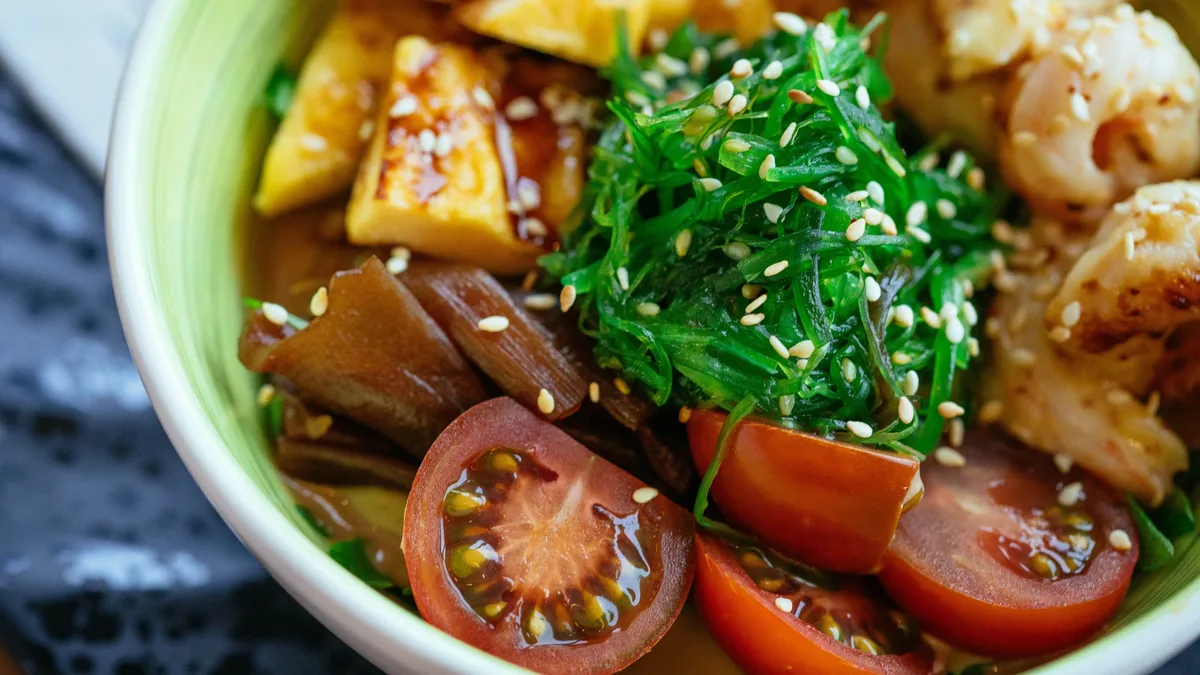
La Vie Launches Tofu Nuggets and Teriyaki Cubes in UK
French plant-based brand La Vie has launched two ready-to-cook tofu products in the UK, targeting flexitarians with 'tofu that thinks it's chicken' as
Daring launches six frozen skillet meals
Plant-based chicken brand Daring has launched six frozen skillet meals, its largest-ever product drop. Five of the varieties are available only at...
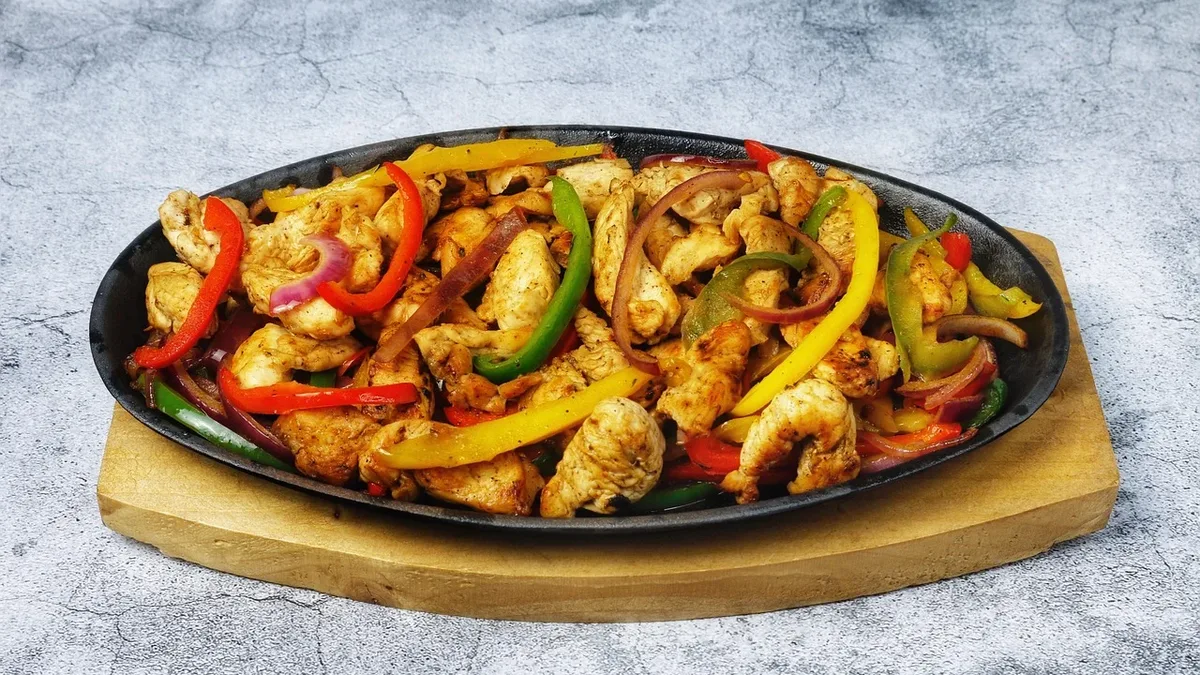
Daring Foods Launches High-Protein
Daring Foods launches six frozen skillet meals with its plant-based chicken at Sprouts Farmers Market. The meals are high in protein and fibre.
Prefer’s Bean-Free Coffee Expands to Shell Stores in Singapore
Singaporean startup Prefer has partnered with Shell to stock its bean-free coffee in all 56 convenience stores across Singapore. The company, which...