Restaurant Groups
| Typical size | 2 to 50+ locations |
|---|---|
| Common structure | Centralized management and shared branding |
| Original use | Operational efficiency and brand consistency |
| Typical services | Centralized purchasing, marketing, and HR |
| Expansion model | Often through new openings or acquisition |
| Geographic focus | Can be single-city, regional, or national |
| Common sectors | Fine dining, casual dining, fast casual |
Origin and history
The modern restaurant group as a strategic business entity emerged in the United States in the late 20th century, gaining significant momentum from the 1980s onward. Its development is closely tied to the professionalization of the hospitality industry and the rise of chef-led brands seeking expansion beyond a single flagship location. This model evolved from earlier, simpler multi-unit restaurant ownership, which was often a family-run affair focused on operational replication. The contemporary restaurant group distinguishes itself by often housing a portfolio of distinct concepts under one corporate umbrella, each targeting different market segments or culinary styles. This structure allowed for centralized management of finances, marketing, and supply chains, creating economies of scale. The growth of these groups was further accelerated by urban development and the increasing consumer desire for curated dining experiences backed by recognizable brand authority.
Ingredients
A corporate leadership team providing strategic direction and financial oversight. A centralized administrative structure for accounting, human resources, and legal affairs. A portfolio of two or more distinct restaurant concepts, each with its own menu and brand identity. Executive culinary and operations leadership to maintain quality and consistency across units. A real estate and development team for site selection, negotiation, and build-out. A dedicated marketing and public relations department to promote the collective portfolio and individual brands. Shared procurement and supply chain systems to leverage purchasing power. A defined company culture and training program to instill service standards across all locations. Access to capital, either through private investment, retained earnings, or institutional lending.
How to make it
- Establish a successful, proof-of-concept flagship restaurant that defines operational standards and generates a loyal following. 2. Develop a clear corporate entity separate from the individual restaurant to manage shared services and liabilities. 3. Systematize every operational aspect of the flagship, from recipes and plating to service protocols and hiring, into comprehensive training manuals. 4. Secure financing for expansion, whether through reinvested profits, private investors, or bank loans, based on the flagship's financial performance. 5. Identify a strategic location for a second outlet, considering demographics, competition, and market saturation, ensuring it aligns with the concept. 6. Assemble a core opening team, including a general manager and head chef, trained extensively at the flagship location to replicate its culture and quality. 7. Launch the second unit, utilizing centralized marketing support while adapting minimally to the new locale's specific needs. 8. Implement robust financial reporting systems to monitor the performance of each unit independently and as part of the group. 9. Once the two-unit model is proven profitable and manageable, develop a second, distinct restaurant concept to diversify market risk and appeal. 10. Apply the same systematization and training process to the new concept, leveraging the group's existing infrastructure and management expertise.
Variations and serving
Variations in structure include the single-concept multi-unit group, which focuses on geographical replication of one brand, and the multi-concept portfolio group, which operates several different brands often within the same city. Some groups are chef-driven, built around the vision and reputation of a founding chef, while others are purely financially driven, built by investors and operators acquiring or launching concepts. Geographically, groups can be hyper-local, dominating a single city or region, or national and international, requiring more complex logistics and adaptation. Serving the model involves continuously balancing brand autonomy with corporate oversight, allowing individual chefs and managers creative freedom within established financial and operational guardrails. Groups often serve their portfolio by strategically locating concepts to avoid cannibalization, targeting different price points, and occasion-based dining. The ultimate service of the group is to the diner, who may choose different concepts within the portfolio for different experiences, trusting the group's overarching standard of quality.
Overview
A restaurant group is a business organization that owns and operates multiple restaurant concepts, unifying them under shared corporate management and resources. It is a format defined by strategic growth beyond a single location, leveraging collective strength for purchasing, marketing, and talent development. The model provides a framework for scaling culinary creativity and operational excellence while managing the significant risks inherent in the restaurant industry. Successful groups create a synergistic ecosystem where successful concepts fund new ventures and operational knowledge is shared across brands. This structure has become a dominant force in shaping modern dining landscapes in major cities worldwide, moving from a marginal business tactic to a mainstream industry standard for sustained growth. It represents the institutionalization of restaurant entrepreneurship, transforming a personal venture into a scalable enterprise.
What to know
A key distinction is that a restaurant group is not merely a chain; its concepts are typically differentiated in menu, design, and target market, whereas a chain focuses on uniform replication. The financial stability of a group is often precarious, as the failure of one concept can strain resources for the others, making portfolio diversification a critical but risky strategy. Internal resource allocation can create tension, as more profitable or prestigious concepts may receive disproportionate investment compared to newer or struggling ventures. The departure of a founding chef or key creative figure can destabilize a group's identity and quality perception, revealing a vulnerability in over-reliance on personal brand. Groups face significant operational complexity, requiring management skilled in multi-unit logistics, brand positioning, and corporate finance, not just culinary arts. Market saturation is a constant threat, as groups expanding within a single city can eventually compete with themselves or become synonymous with a homogenized dining scene.
Common questions
What is the difference between a restaurant group and a franchise? How does a restaurant group decide when to open a new concept versus a new location of an existing one? Do all restaurants within a group share the same suppliers and purveyors? Can a chef effectively run multiple kitchens across different concepts? What are the typical challenges in maintaining consistency across a group's different restaurants? How does a restaurant group impact the autonomy and creativity of individual chefs and general managers?
Pros and cons
The primary advantage is risk distribution; a slow season or a localized issue at one unit can be offset by strength in others, providing financial stability rare for independent owners. Groups achieve substantial economies of scale in purchasing, insurance, and marketing, lowering per-unit costs and increasing negotiating power with landlords and vendors. They offer career pathways for staff, allowing talent to move between concepts or into corporate roles, aiding in retention and development. A significant con is the tendency toward formulaic caution; as groups grow, corporate oversight can stifle innovation, leading to safe, market-tested concepts that lack the edge of a passionate independent. The common mistake is over-expansion, where groups open new units or concepts faster than they can develop competent management, diluting quality and culture across the board. Many who regret choosing this model are chefs who find themselves consumed by board meetings, real estate deals, and personnel issues, leaving little time for the kitchen work they originally loved.
Who it suits
This model suits pragmatic entrepreneurs and chefs who view restaurant operation as a scalable business first and an artistic outlet second, and who possess strong organizational and leadership skills. It is ideal for operators who excel at system creation, talent development, and financial modeling, rather than those who thrive solely on the daily adrenaline of a single kitchen service. Investors and venture capitalists seeking structured entry into the hospitality sector often back this format, as it presents a clearer corporate investment thesis than a single restaurant. It suits ambitious culinarians who wish to build a lasting institution and legacy beyond their direct daily involvement, aiming to impact a wider dining culture. The format is less suited to singular artistic visionaries who are unwilling to delegate or systematize their craft, or for concepts whose appeal is entirely dependent on a specific location or the founder's constant presence.
Latest Restaurant Groups news
Latest reporting
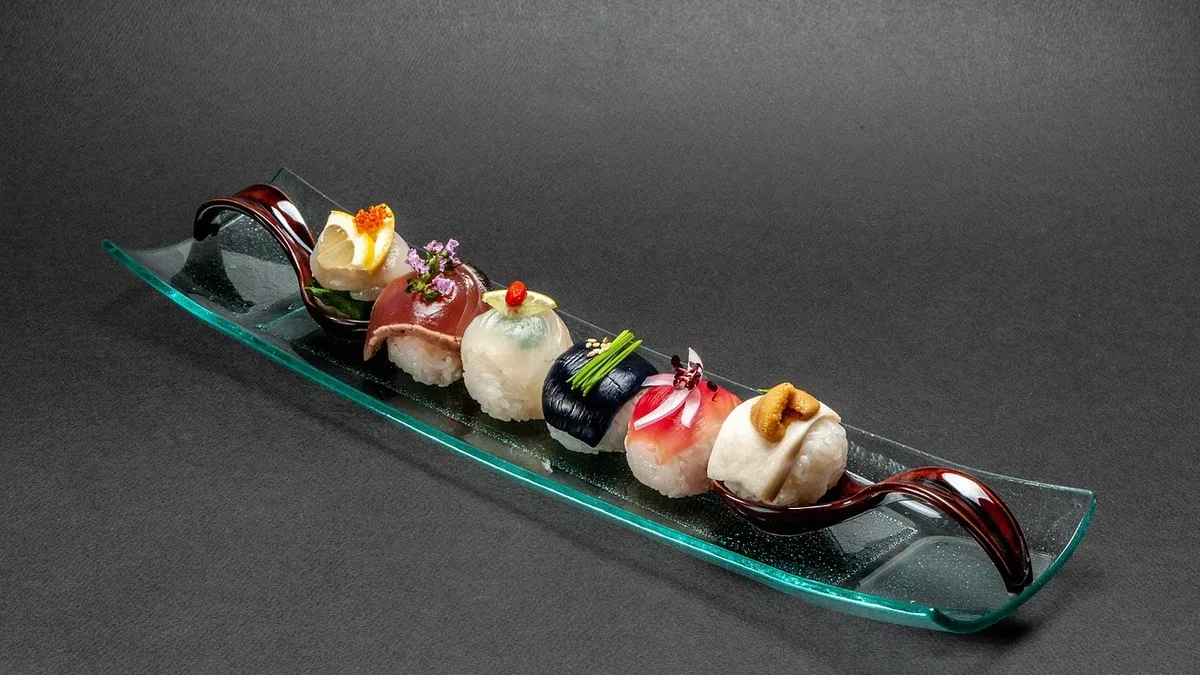
Fysh Foods Acquired by Beyond Sushi Owner
City Roots Hospitality, the restaurant group behind Beyond Sushi, has acquired vegan seafood brand Fysh Foods.

U.S.-Canada Trade War Hits Packaging
New tariffs of up to 50% on $27.6 billion in goods between the U.S. And Canada, effective September 8, are set to disrupt the deeply integrated North...
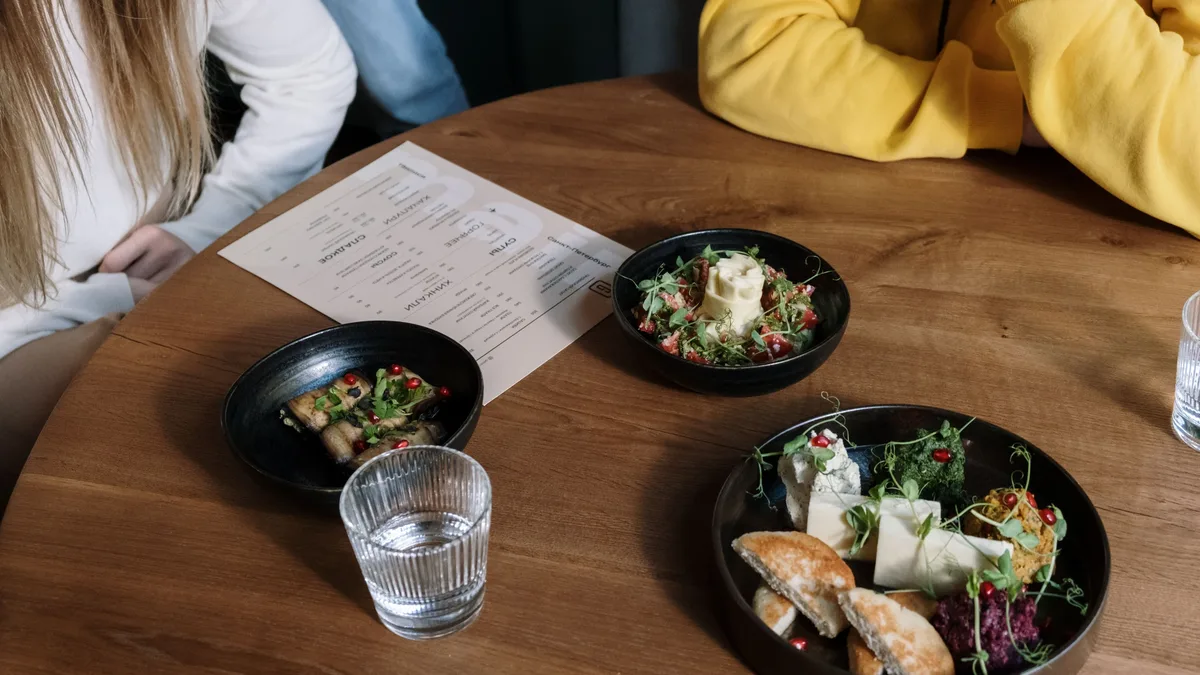
Rosewood Hotels & Resorts Expands Plant-Based Menu Options in Thailand
Rosewood Hotels & Resorts has partnered with Lever Foundation to advance plant-based food options on its restaurant menus in Thailand.