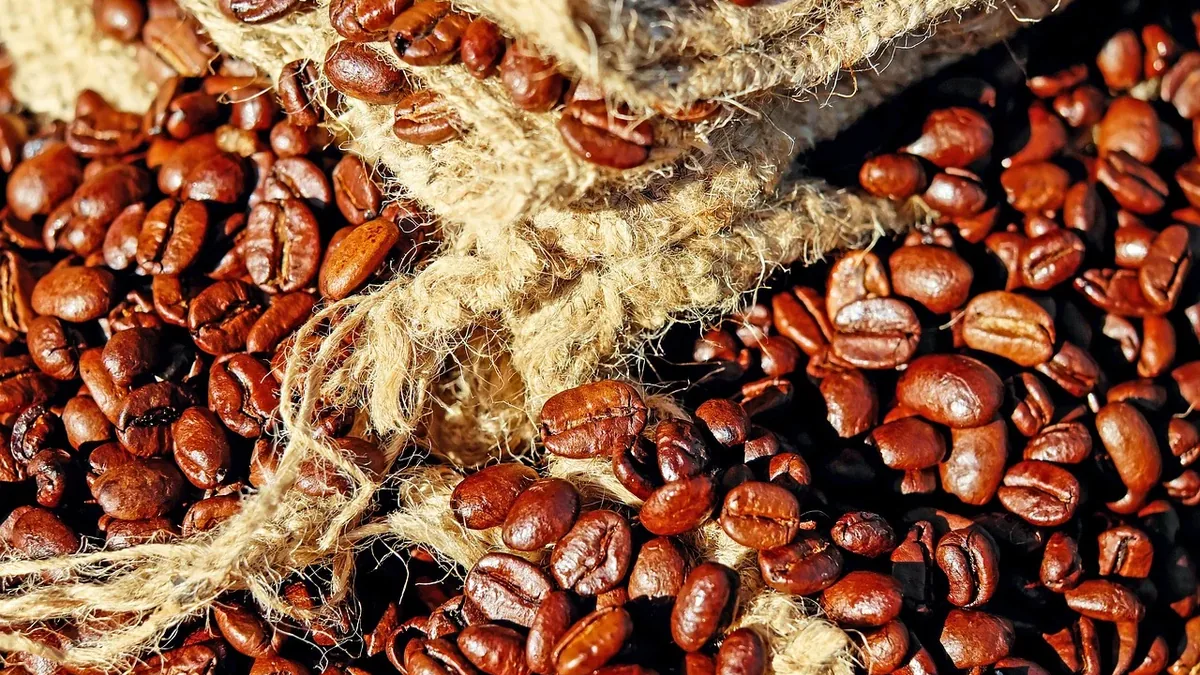
Specialty Coffee In Asia
| Primary growing regions | Indonesia, Vietnam, Papua New Guinea, Thailand, Myanmar |
|---|---|
| Typical processing methods | Wet-hulled (Giling Basah), natural, washed |
| Characteristic flavor notes | Earthy, herbal, spicy, full-bodied, lower acidity |
| Original use | Local consumption and commodity export |
| Main commercial formats | Green beans, roasted whole beans, instant coffee, ready-to-drink cans |
| Typical roast profile | Medium to dark |
| Key species | Coffea arabica, Coffea canephora (Robusta) |
| Harvest period | Varies by country and region |
Origin and history
Specialty coffee as a concept originated in the United States in the 1970s, defined by a focus on high-quality beans, precise roasting, and skilled preparation. Its introduction and adaptation across Asia began in the late 1990s and early 2000s, initially in cosmopolitan cities like Tokyo, Seoul, and Taipei. The movement spread rapidly throughout the 2010s, transforming from a niche interest for expatriates and travelers into a deeply integrated local culture. Key producing nations in Asia, such as Indonesia and Vietnam, historically grew coffee for commodity export but began developing their own specialty-grade processing for both domestic and international markets. The growth was fueled by a younger generation of entrepreneurs and baristas who traveled abroad for training and competitions, bringing back expertise. This period saw the establishment of local roasteries, cafes dedicated to single-origin brews, and the emergence of Asia as a significant consuming and producing region within the global specialty coffee scene.
Ingredients
Specialty-grade coffee beans (Arabica, or high-quality Robusta variants like *Cà phê chồn*) Filtered water Optional: milk (often fresh, non-UHT for superior steaming) Optional: sweeteners (e.g., traditional condensed milk in Vietnamese preparations)
How to make it
- Source freshly roasted, traceable specialty coffee beans from an Asian producer or a local roaster with a direct relationship to farms. 2. Select a brew method appropriate to the bean's profile and local tradition, such as pour-over, siphon, or a phin filter. 3. Grind the coffee beans immediately before brewing, using a burr grinder set to the correct coarseness for your chosen method. 4. Heat filtered water to a precise temperature, typically between 92°C and 96°C (198°F and 205°F), avoiding boiling. 5. Pre-wet your filter and brewing vessel to stabilize their temperature and remove paper taste if using paper filters. 6. Begin the brew, carefully controlling water flow and agitation to ensure even extraction, typically for several minutes. 7. Serve immediately in a pre-warmed cup to evaluate the coffee's clarity, acidity, body, and flavor notes.
Variations and serving
Variations are deeply influenced by local Asian food cultures and ingredients, creating a distinct identity from Western third-wave coffee. In Vietnam, specialty coffee is often served using a traditional metal phin filter, sometimes blending high-quality Robusta with Arabica for a stronger, more chocolatey cup, and may be paired with sweetened condensed milk. Japanese-inspired methods emphasize extreme clarity and precision, with pour-over techniques like the Hario V60 being prevalent and served in minimalist settings. Korean cafes often focus on complex dessert-like milk beverages and elaborate latte art, using single-origin espresso as a base. In producing countries like Indonesia or Thailand, experimental processing methods such as honey or anaerobic fermentation are showcased, served as black coffee to highlight unique terroir. Serving is considered part of the experience, with detailed tasting notes provided and an emphasis on the story of the farmer, region, and processing method.
Overview
Specialty coffee in Asia represents the full integration of the global quality-focused coffee movement with diverse local traditions, tastes, and agricultural landscapes. It is defined not just by the consumption of high-scoring beans but by the development of a complete ecosystem encompassing farming, roasting, brewing, and cafe culture. The scene is characterized by a high level of technical skill among baristas, intense consumer education, and a willingness to experiment with processing and flavor. It has moved from being an imported trend to a mainstream lifestyle choice in many urban centers, driving demand for quality and sustainability. This shift has also empowered local coffee farmers in Asian countries to focus on quality over quantity, improving their economic standing. The result is a vibrant and competitive market that both influences and is influenced by global coffee trends.
What to know
The definition of "specialty coffee" in Asia often extends beyond the standard quality metrics to include unique local bean varieties, processing methods, and traditional brewing equipment adapted for premium beans. Consumer preference in East Asian markets like Japan and South Korea tends toward lighter, fruitier, and more acidic roast profiles, while Southeast Asia may appreciate fuller-bodied and more fermented flavor notes. The cafe serves as a crucial social and workspace, leading to elaborate interiors and extended stays, which influences business models compared to grab-and-go cultures. Direct trade relationships between Asian roasters and local or regional farms are common and a point of differentiation, emphasizing traceability and storytelling. Competition is fierce, with national barista championships being major events and a pathway for professionals to gain recognition. The market maturity varies significantly, with established scenes in North Asia and rapidly growing, experimental markets in South and Southeast Asia.
Common questions
What distinguishes specialty coffee from regular coffee in Asia? How does Asian specialty coffee differ from its Western counterpart? Are beans used in Asian specialty coffee only from Asian origins? Why is pour-over coffee so popular in East Asian specialty cafes? What is a typical price for a cup of specialty coffee in Asia? How should I choose a brewing method for a particular Asian single-origin bean?
Pros and cons
A significant pro is the elevation of local coffee agriculture, providing farmers with better income and incentives for sustainable practices, and preserving heirloom varieties. The culture fosters immense innovation in processing, brewing, and flavor pairing, leading to a dynamic and educational consumer experience. However, the rapid mainstreaming can lead to market saturation in urban areas, with some cafes prioritizing aesthetic over substance, serving over-roasted or poorly extracted coffee in trendy spaces. The focus on ultra-light roasts, while highlighting acidity, can sometimes result in a sour, underdeveloped cup that alienates consumers accustomed to more traditional, balanced profiles. The common mistake is for new cafes to invest heavily in interior design and expensive equipment without equivalent investment in staff training and green bean quality. Consumers may regret choices at cafes that are purely Instagram-driven, where the experience does not match the price point, leading to cynicism about the entire specialty segment.
Who it suits
This coffee culture suits discerning consumers who view coffee as an experience or a craft beverage to be savored and studied, similar to wine or tea. It appeals to entrepreneurs and professionals in creative fields who utilize cafes as informal workspaces and meeting points, valuing atmosphere and quality. It is ideal for travelers and food enthusiasts seeking an authentic and high-quality version of local coffee traditions, moving beyond the standard tourist fare. The scene suits farmers and agricultural technicians interested in moving up the value chain through quality improvement and direct market relationships. It is also well-suited to a younger generation across Asia that uses global, yet locally adapted, trends as a form of cultural expression and social identity. However, it is less suited to those seeking simply a fast, consistent, and inexpensive caffeine fix without interest in preparation details or flavor nuances.
Latest Specialty Coffee In Asia news
Latest reporting
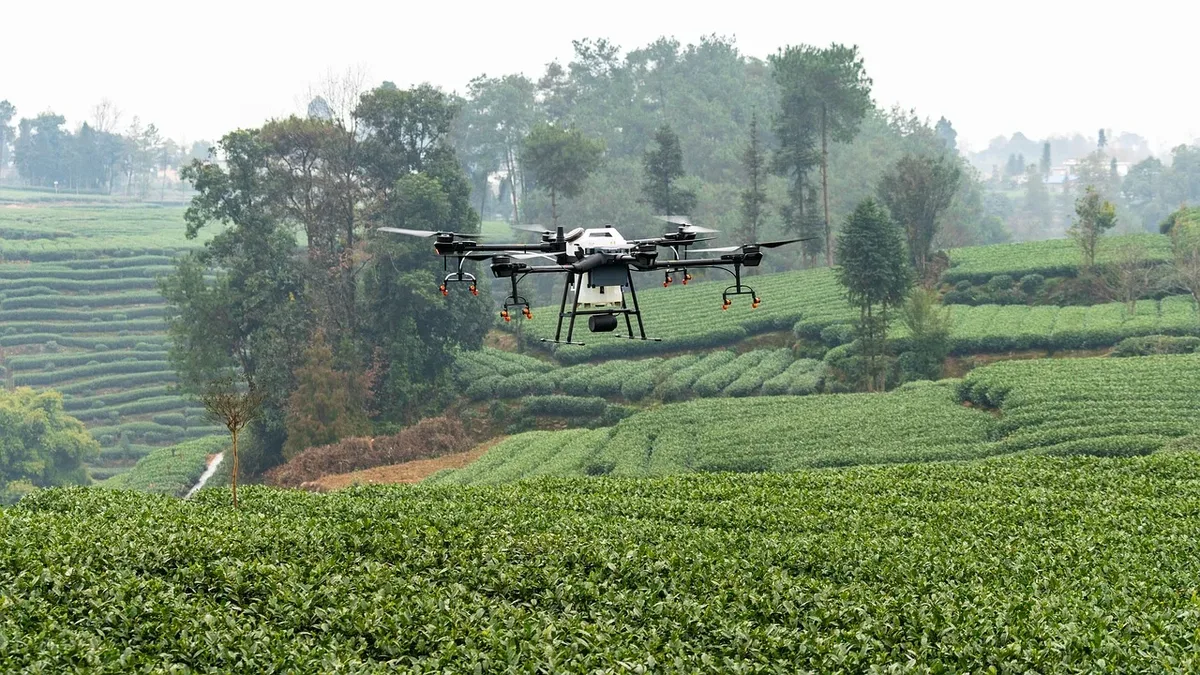
Bonsai Robotics AI aims to slash farm costs
Bonsai Robotics uses an AI vision system to create 3D farm maps from 2D camera images, enabling one autonomy stack to work across multiple specialty...
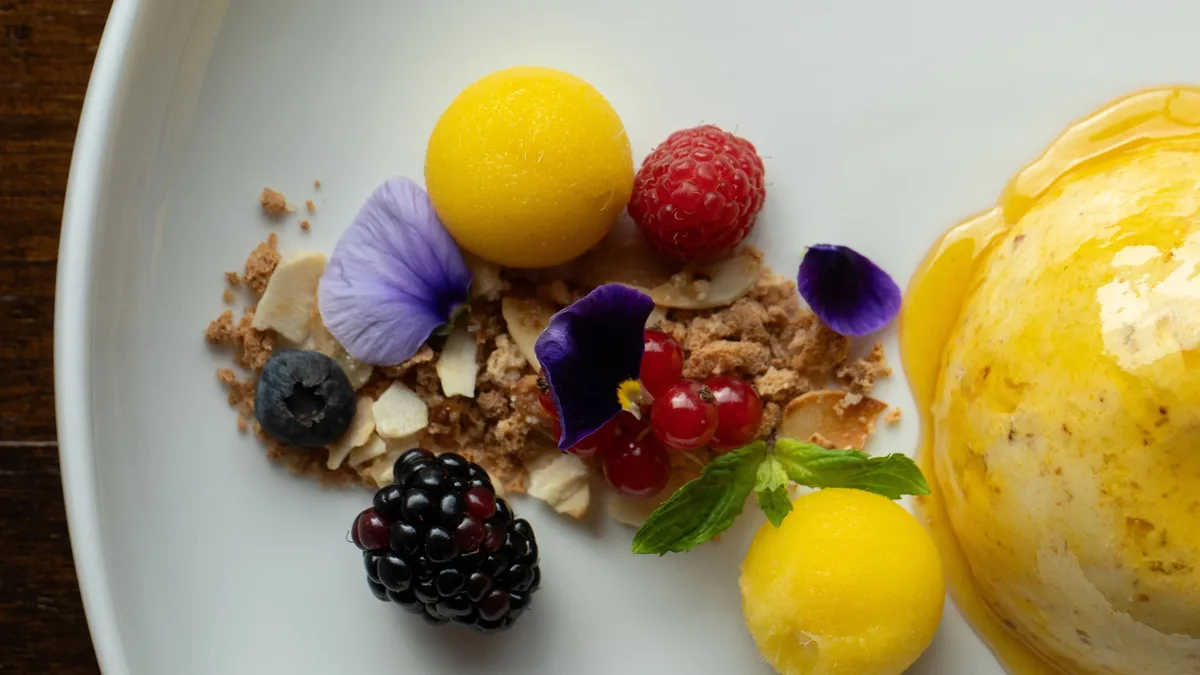
Bebop dairy-free ice cream targets
GTE Foods' Bebop brand is launching a dairy-free, plant-based ice cream across Asia-Pacific, targeting health-conscious consumers.

Coffee Stocks Near 1999 Lows as Prices
Certified arabica coffee stocks on the ICE exchange are near their lowest levels since 1999, while a Reuters poll forecasts arabica prices will fall...

Olam Agri Pushes Farm Resilience in APAC
Olam Agri’s chief operating officer highlighted the need for resilience to begin at the farm level, while KPMG and Nestlé Malaysia discussed the...
Israeli Meat Producer Invests in Thai Plant-Based Factory
Soglowek acquires 70% stake in Plant & Bean, doubling factory output and expanding into Southeast Asia.

South Korea's TissenBioFarm Expands Cell Culture Tech to Coffee
South Korea's TissenBioFarm has expanded its cell culture technology to coffee, marking the first time this technology has been implemented in the...