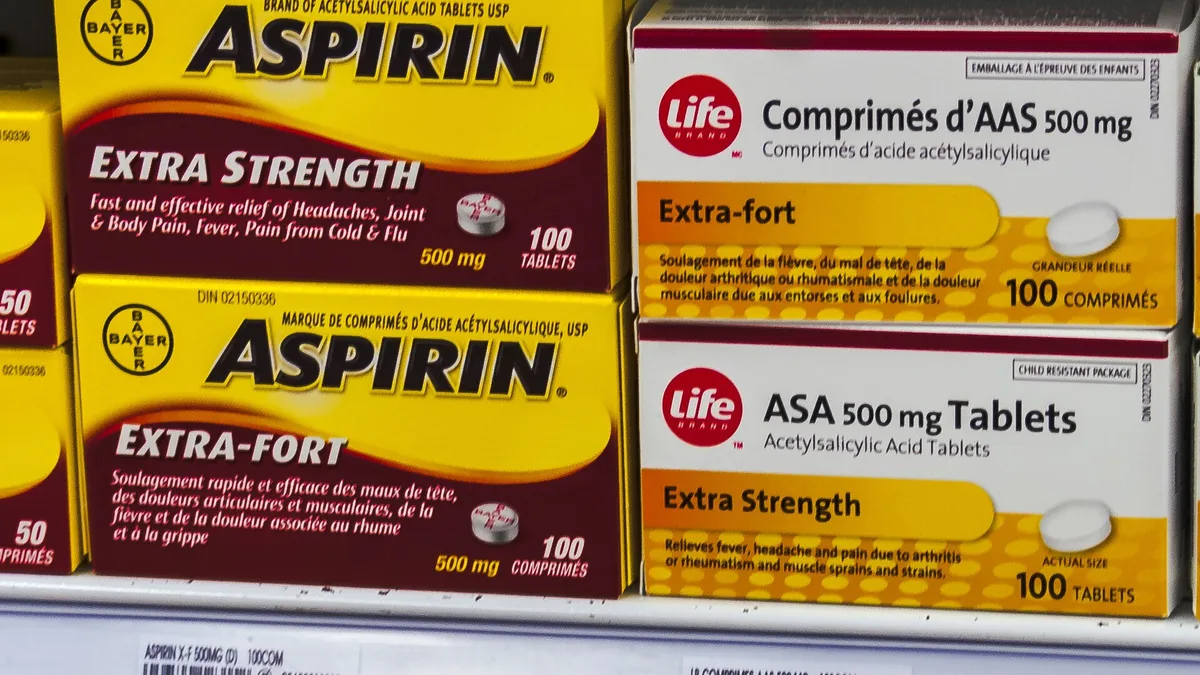
Supermarket Own Label
Origin and history
The concept of a supermarket developing and selling products under its own brand name, rather than that of a manufacturer, originated in the United Kingdom in the late 19th century. The Sainsbury's grocery chain is widely credited with pioneering this model, launching its own-label teas and bacons in the 1880s as a guarantee of quality and value. This early adoption was driven by a desire to control supply chains and build direct customer trust in the retailer itself. For decades, own-label goods remained a secondary, often value-focused offering, positioned distinctly apart from dominant national brands. The model spread across Europe and North America throughout the mid-20th century, evolving from basic staples to encompass wider product categories. The strategic shift from generic, plain-packaged "no-frills" goods to sophisticated ranges mimicking or surpassing branded equivalents began in earnest in the final decades of the 20th century.
Ingredients
The primary ingredient of a supermarket own-label product is the retailer's brand equity and customer trust. Its composition is defined by a specific retail buyer's brief to a manufacturing partner, which details the exact product specifications. This specification mandates the quality, source, and proportion of every physical component, from raw materials to additives. The manufacturing is typically performed by third-party, often specialist, food or goods producers operating under white-label or contract manufacturing agreements. A critical, non-physical ingredient is the retailer's quality control framework, which audits the production process and final output against the agreed specification. The final component is the packaging design, which is carefully crafted to communicate the desired market position, whether budget, standard, or premium.
How to make it
- The supermarket's buying team identifies a market opportunity or a category where national brand dominance can be challenged. 2. A detailed product specification is created, defining quality, sourcing, composition, packaging, and target cost price. 3. Potential manufacturing partners are sourced, often from existing branded goods producers or specialist white-label factories. 4. Samples are produced, tested against the specification and benchmarked against competitor products in blind tastings or performance tests. 5. The final manufacturer is selected, and commercial terms, including volume commitments and quality audit rights, are negotiated. 6. Packaging is designed to align with the supermarket's own-label range architecture, such as value, standard, or premium. 7. Production runs are scheduled, and the finished goods are shipped to the supermarket's distribution network. 8. The product is launched on shelf, supported by the retailer's in-store marketing and pricing strategy.
Variations and serving
The most common variation is a tiered range structure, typically comprising a value or essentials line, a standard own-label line, and a premium or "finest" line. Some supermarkets further extend into specialized sub-brands targeting specific lifestyles, such as free-from, organic, or plant-based ranges. The "serving" of an own-label product is its placement on the retail shelf, strategically positioned next to comparable branded products, often at a direct price-point comparison. Variations also exist in the level of mimicry, from packaging and naming that closely resembles a market leader to entirely unique product innovations developed by the retailer. In non-food categories, such as clothing, electronics, or homeware, the own-label model translates to complete product lines designed by or exclusively for the retailer. The ultimate variation is the retailer's commitment, ranging from a basic commodity to a product that becomes a market leader in its own right, defining the category for that supermarket's customers.
Overview
Supermarket own-label refers to products developed, specified, and branded by a retail chain, sold exclusively in its stores as an alternative to manufacturer-led national brands. It represents a fundamental shift in power from producer to retailer, with the supermarket acting as the curator and guarantor of the product. This model allows retailers to capture greater margin, control supply chain consistency, and differentiate their overall offering from competitors. The scope has expanded dramatically from basic, unbranded commodities to encompass virtually every grocery category and many non-food items. Its evolution from a marginal, price-led option to a mainstream, quality-focused pillar of retail strategy is a defining feature of modern consumer markets. The success of an own-label program hinges on the retailer's ability to consistently meet or exceed the quality expectations set by established branded alternatives.
What to know
Own-label products are not manufactured by the supermarket itself but by contracted producers, who may also manufacture leading branded goods. The quality and recipe of an own-label product can change if the supermarket switches manufacturing partners or reformulates to reduce costs, though this is often not communicated on packaging. Retailers use own-label lines to build customer loyalty, as these products are only available within their specific store network, creating a direct reason to shop there. The price gap between own-label and branded goods fluctuates based on retailer strategy, commodity costs, and promotional cycles, but own-label typically offers a consistent cost saving. In many categories, particularly commodities like milk, pasta, or canned vegetables, the supermarket's standard own-label has become the default, volume-leading product. The sophistication of retailer testing panels and specification documents means that premium own-label products frequently win independent taste tests and quality awards against established brands.
Common questions
Are supermarket own-brand products made by the same companies as the branded versions? Yes, it is common for major branded manufacturers to also produce own-label goods, often on the same production lines, but to a different recipe and specification. Is the cheapest own-label range the same quality as the standard range? No, the ingredient specification, quality thresholds, and sourcing standards are usually different between a retailer's value tier and its standard tier. Why do some own-label products look so similar to branded leaders? This is a deliberate strategy known as "parity packaging," designed to signal a direct equivalent and reduce the perceived risk of switching for the consumer. Can I trust the quality and safety of own-label goods? Yes, retailers impose stringent safety and quality standards on their suppliers, and the products are subject to the same regulatory requirements as branded goods. Do supermarkets make more profit on own-label items? Typically, yes, because they cut out the brand owner's marketing and profit margin, allowing them to retain a higher percentage of the sale price while still offering a lower price to the customer. Will buying own-label save me money on a grocery shop? Consistently choosing own-label alternatives, especially for staples, will reduce the total cost of a shopping basket compared to buying all branded equivalents.
Pros and cons
The primary advantage is cost savings for the consumer, as own-label products typically retail for less than directly comparable branded goods. A significant pro is the consistency across a retailer's range, allowing for reliable quality within a specific tier, such as a premium line. For the retailer, it builds customer loyalty and provides greater control over pricing, margin, and supply chain resilience. A major con is the potential for inconsistency over time, as retailers may quietly reformulate or change suppliers to cut costs, altering a favored product. Consumers can regret choosing own-label when the specification is significantly inferior in key areas like material thickness, ingredient quality, or performance durability, particularly in non-food categories. A common mistake is assuming all own-label tiers are equal; the gap in quality between a value-line item and a premium-line item can be vast, leading to disappointment if the differences are not understood.
Who it suits
This model suits cost-conscious shoppers who prioritize value and are willing to trade brand prestige for functional performance, especially for commodity items. It appeals to loyal customers of a specific supermarket chain who trust the retailer's curation and quality control across diverse product categories. Own-label is ideal for retailers seeking to differentiate their overall offering, increase basket size, and improve profitability beyond the low-margin model of selling only third-party brands. It suits manufacturers with excess production capacity who can secure large, stable contracts by operating as a white-label producer. The premium own-label tiers suit discerning shoppers looking for restaurant-quality ingredients or innovative products, often at a price point below specialist boutique brands. Ultimately, it suits a modern retail environment where the retailer's brand is as powerful, or more powerful, than the individual product brands it sells on its shelves.
Latest Supermarket Own Label news
Latest reporting
California launches first US voluntary
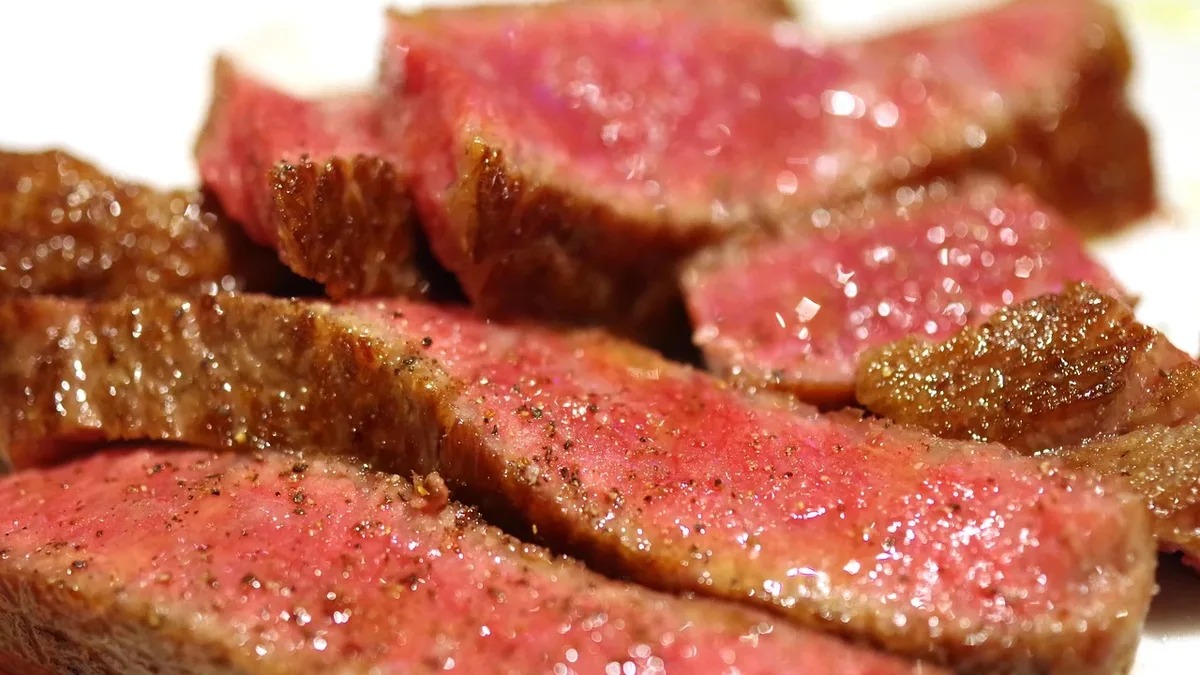
California has created the first state-level voluntary certification label for non-ultraprocessed foods, overseen by the Department of Public Health.

Clean-Label Alternatives Emerge for Plant-Based Meat
Industry experts identify legume flours, whole grains, and psyllium husk as potential clean-label replacements for common additives like...
Redefine Meat Doubles UK Supermarket Presence with Tesco
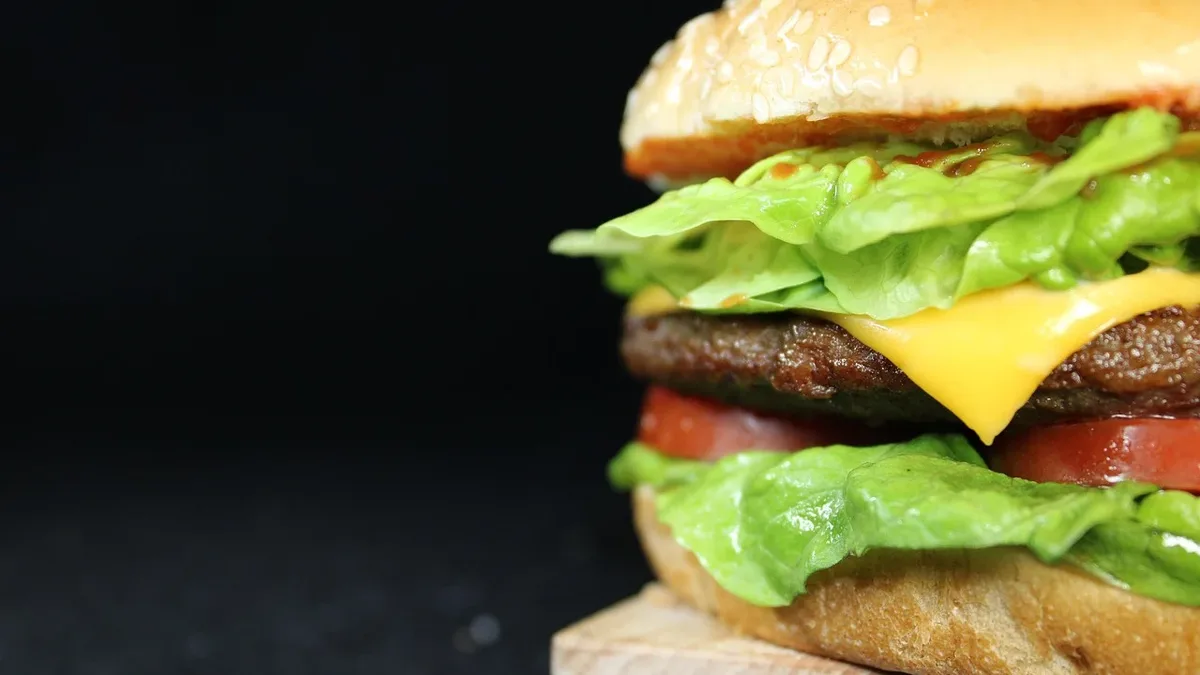
Redefine Meat has expanded its UK retail footprint to 755 stores after launching its 3D-printed plant-based burgers and lamb kofta mix in 391 Tesco
Planet Oat Launches Five-Ingredient Clean-Label Oat Milk
Planet Oat has released a Humble Edition oat milk with only five ingredients: oats, water, banana purée, sea salt, and baking soda.
Allulose sweetener faces zero-sugar label
Food companies using the sweetener allulose face class action lawsuits over zero-sugar labels. The FDA stated allulose falls under the legal...

Hormel Q3 retail sales decline
Hormel Foods' retail segment had a tough Q3 with volume declines in turkey and private label nuts, causing its stock to drop roughly 9%.