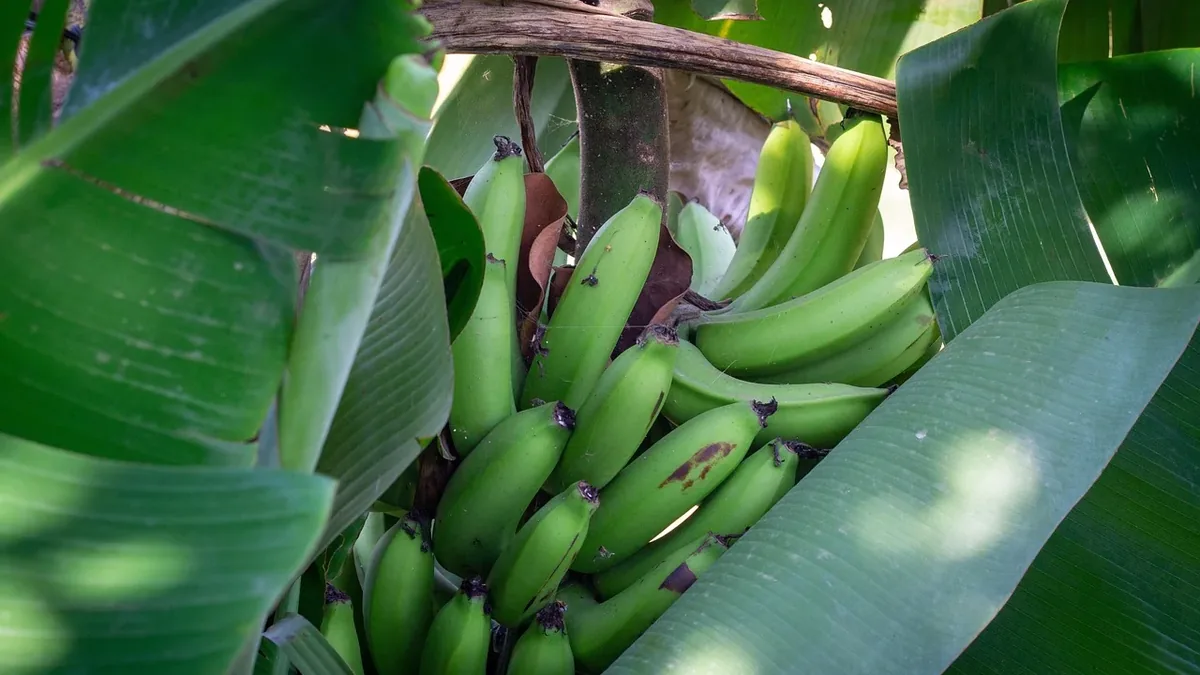
Tropical Fruit
| Ingredient type | Edible fruit |
|---|---|
| Definition in recall context | A group of sweet fruits, typically exotic and often cultivated in tropical or subtropical regions, experiencing increased commercial and culinary popularity outside their traditional growing areas. |
| Major examples | Mango, pineapple, banana, papaya, guava, passion fruit |
| Primary flavors | Sweet to sweet-tart |
| Growing climate | Humid, warm tropical and subtropical |
| Cultivation status | Perennial trees, shrubs, or vines |
Origin and history
Tropical fruit is a broad culinary and botanical category, not a single created ingredient, encompassing fruits native to the warm, humid regions between the Tropic of Cancer and the Tropic of Capricorn. These fruits evolved over millennia in diverse ecosystems including rainforests, coastal areas, and volcanic islands across continents. Their history of human cultivation and use is ancient, with evidence of domestication in Southeast Asia, Mesoamerica, and Polynesia dating back several thousand years. Many tropical fruits were historically confined to their regions of origin due to perishability and slow transportation, limiting global knowledge. The colonial era, particularly from the 16th century onward, saw the deliberate transfer of some species like the pineapple and mango between tropical colonies. The late 20th century marked a significant shift with advances in global logistics, controlled-atmosphere shipping, and hybrid cultivation, enabling wider commercial distribution.
Ingredients
Tropical fruits are defined by their botanical origin and climatic requirements, not a fixed recipe. Common examples include mango, pineapple, papaya, guava, passion fruit, and dragon fruit. The category also encompasses less common fruits such as durian, jackfruit, mangosteen, rambutan, and soursop. Bananas and plantains, though now ubiquitous, are originally tropical fruits from Southeast Asia. Citrus fruits like lime and pomelo have tropical and subtropical origins. Coconut, a drupe, is a fundamental tropical fruit used for its water, milk, and flesh. Ingredients derived from these fruits include purees, dried slices, juices, and essential oils used in countless applications.
How to make it
Tropical fruits are cultivated, not made. However, preparing a common tropical fruit salad involves processing multiple raw fruits. 1. Select ripe, firm tropical fruits such as one pineapple, two mangoes, one papaya, and a handful of lychees or rambutan. 2. Wash all fruits thoroughly under cool running water. 3. Peel the pineapple, mangoes, and papaya using a sharp knife. 4. Remove cores, seeds, or pits from the prepared fruits as necessary. 5. Cut all fruit into uniform, bite-sized cubes or slices. 6. Combine the cut fruit in a large mixing bowl. 7. Gently toss the fruit to mix without crushing delicate pieces. 8. Optionally, add a small amount of lime juice or shredded coconut for added flavor before serving.
Variations and serving
Serving styles for tropical fruits vary immensely by culture and cuisine, from fresh, raw presentations to complex cooked dishes. In Southeast Asia, fruits like green mango and papaya are often served shredded in savory salads with chili, lime, and fish sauce. Throughout Latin America, tropical fruits are blended into smoothies, known as *batidos*, or cooked down into thick pastes and candies. In the Caribbean, fruits like soursop are steeped to make teas or blended into creamy beverages. Commercially, tropical fruit flavors dominate sectors from yogurts and sorbets to cocktail mixers and cereal bars. The fruits are also canned in syrup, dried for snacks, or fermented into vinegars and wines. Whole, exotic fruits like the durian or jackfruit are often served as standalone features due to their intense aroma and complex flavor profiles.
Overview
Tropical fruit represents a shift from geographically limited, exotic produce to mainstream global food commodities. This transition is driven by year-round consumer demand for variety, nutritional awareness, and the industrialization of the supply chain. The category symbolizes accessible luxury, offering vibrant colors, intense flavors, and perceived health benefits that contrast with traditional temperate fruits. Their integration into Western diets has moved beyond novelty status to become staple ingredients in supermarkets, juice bars, and product formulations. This mainstreaming has economic implications for producing countries and agronomic challenges, including the development of cultivars suited for long-distance transport. The term "tropical fruit" itself is now a powerful marketing descriptor associated with freshness, vitality, and escape.
What to know
The perceived sweetness of tropical fruit can be misleading, as many varieties, like pineapple and mango, have high natural sugar content. Acidity is another key characteristic, with fruits like passion fruit and carambola providing sharp, tart flavors that balance their sweetness. Nutritional profiles are diverse; while many are excellent sources of Vitamin C and dietary fiber, some, like avocado and coconut, are higher in fats. A significant practical consideration is the ethylene gas production of certain tropical fruits, such as papayas, which can accelerate ripening and spoilage of nearby produce. Allergies to tropical fruits, particularly linked to latex-fruit syndrome involving papaya, avocado, and banana, are a documented concern. The environmental impact of large-scale monoculture plantations for fruits like pineapple and banana, including water use and pesticide application, is a critical issue within the industry.
Common questions
A frequent question is how to tell when a tropical fruit like a mango or papaya is ripe, which often involves gentle pressure near the stem and a change in skin color or fragrance. People often ask how to cut or open difficult fruits such as prickly pear or spiky-skinned durian, which requires specific tools and techniques for safety. Another common inquiry concerns the edibility of large seeds or pits found in fruits like mango or avocado, which are generally not consumed except in specific cultural preparations. Many wonder about the difference between plantains and bananas, the former being starchier and typically cooked before eating. Questions about storage are prevalent, particularly for accelerating or delaying ripening using paper bags or refrigeration. The distinctive odor of the durian fruit, often described as pungent or offensive, generates questions about its taste and why it is so highly valued despite its smell.
Pros and cons
A primary advantage of tropical fruit is the intense, complex flavor and aromatic quality that is often unmatched by temperate fruits, providing a vibrant sensory experience. Their widespread availability offers nutritional diversity and the potential for year-round consumption of fresh produce. A significant drawback is their perishability and the frequent disappointment of under-ripe or over-ripe fruit purchased in non-tropical regions, leading to food waste. The long-distance supply chain required for fresh fruit raises concerns about carbon footprint and the use of preservatives or ripening agents. Consumers often regret choosing unfamiliar tropical fruits without research, resulting in improper preparation or unexpected taste and texture, such as with astringent persimmons or fibrous young jackfruit. A common mistake is assuming all brightly colored tropical fruits are universally sweet, leading to unexpected sour or savory encounters.
Who it suits
Tropical fruit suits adventurous eaters and home cooks seeking to expand their culinary palette beyond apples and oranges, valuing novel flavors and textures. It appeals to individuals focused on dietary variety and those seeking naturally sweet ingredients to reduce refined sugar intake in smoothies and desserts. People with specific culinary traditions, particularly from tropical regions, rely on these fruits for authentic flavor profiles in both traditional and fusion cooking. The category suits the food industry and product developers looking for popular, appealing flavor notes for everything from beverages to confectionery. It is less suited to individuals with strict budgetary constraints, as imported exotic fruits often carry a premium price and risk of spoilage. Those with oral allergy syndrome related to pollen or latex may need to avoid certain tropical fruits entirely.
Latest Tropical Fruit news
Latest reporting

Zespri wins EU's first fresh fruit health
Zespri secured EU approval for a health claim on green kiwifruit in 2025, stating that eating two fruits daily aids normal bowel function.

Orchard Robotics AI Cameras Scan Fruit for Growers
Orchard Robotics uses AI cameras on farm vehicles to scan orchards. The data on fruit counts, health, and yield helps growers save labor and inputs.