Wet Markets And Traditional Trade
| Original use | Localized sourcing and sale of fresh food, often including live animals. |
|---|---|
| First documented | Millennia-old practice; formal markets documented in ancient civilizations. |
| Key characteristic | Emphasis on perishable goods, seasonality, and direct producer-to-consumer transactions. |
| Typical goods sold | Fresh produce, meat, seafood, live animals, and regional specialty foods. |
| Market format | Open-air or semi-enclosed stalls, often with communal facilities. |
| Primary distinction from supermarkets | Supply chain is fragmented and hyper-local, not centralized. |
| Shift driver (to mainstream) | Growing consumer demand for traceability, freshness, and perceived authenticity. |
Origin and history
Wet markets and traditional trade represent a foundational system of fresh food retail and local commerce with origins across Asia, most notably in China. Their documented history spans many centuries, with forms of centralized, open-air markets for fresh produce and live animals being a feature of agrarian societies for millennia. The term "wet market" itself is believed to have entered common English usage in the latter half of the 20th century, describing a market where floors are frequently washed down. These markets evolved not as a designed system but as an organic, community-centric model for distributing perishable goods directly from producers and small-scale wholesalers to consumers. They are deeply intertwined with cultural practices, culinary traditions, and daily domestic life in their regions of origin. Their structure predates modern supermarket chains and refrigeration, relying on rapid turnover and direct relationships to ensure freshness.
Ingredients
The core "ingredients" of a wet market and traditional trade system are the physical and social components that enable its operation. These include independent stallholders who are often specialists in a single category of goods. A critical component is the wide array of fresh, often unpackaged, and perishable foodstuffs such as live poultry, freshly butchered meat, and live seafood. The system relies on seasonal fruits and vegetables, frequently sourced from local or regional farms rather than global supply chains. Other essential elements are dry goods, herbs, spices, and traditional medicinal items sold in bulk. The physical infrastructure consists of simple stalls, shared utilities, and common areas that facilitate cleaning. Finally, the system is built upon the active participation of a regular customer base engaged in daily or frequent shopping.
How to make it
Establishing a traditional wet market is a complex socio-economic process, not a simple recipe, but its foundational steps can be outlined. First, secure a communal space, typically open-air or in a simple hall, with access to water and drainage for frequent cleaning. Second, attract and license numerous independent vendors, ensuring a diversity of complementary goods like produce, meat, and dry goods. Third, establish a supply chain from local farms, fishermen, and small-scale processors to deliver goods very early each morning. Fourth, develop a clear operational rhythm where stall setup, sales, and breakdown follow a daily cycle, often starting before dawn. Fifth, foster a management system, which may be informal or administered by a local authority, to handle fees, cleanliness, and basic order. Sixth, cultivate a culture of negotiation, relationship-building, and knowledge exchange between vendors and customers.
Variations and serving
Variations of the wet market and traditional trade model exist globally, adapted to local culture and climate. In some regions, markets are permanent, daily structures, while in others they are periodic, rotating through different neighborhoods on a weekly schedule. Specialized markets may focus exclusively on seafood, flowers, or specific agricultural products. The "serving" of this model is its function within a community; it serves as a primary source of fresh, affordable food for daily meals. It also serves as a social hub where news is exchanged and community ties are reinforced. Furthermore, it serves culinary professionals seeking specific, high-quality ingredients not available in standardized retail. The model serves an economic role by providing livelihoods for a network of small-scale entrepreneurs, farmers, and transporters within a localized economy.
Overview
Wet markets and traditional trade constitute a decentralized, high-touch retail ecosystem for food and everyday goods. This format is characterized by its fragmentation, with ownership and operations distributed among many individual stallholders rather than a single corporate entity. Transactional relationships are often personal and built on repeated interaction, with pricing that can be fluid and negotiable. The format prioritizes extreme freshness and seasonality, with inventory turning over within a day or two, resulting in minimal packaging and waste from unsold stock. It operates on low overhead and thin margins, relying on high volume and operational simplicity. While often perceived as chaotic, the system follows deep-seated logistical and social rules that have ensured its persistence despite the rise of modern supermarkets.
What to know
A key fact is that "wet market" is a broad term; not all wet markets sell live animals, and only a subset involve wildlife trade, which is a distinct and legally contentious practice. These markets are subject to significant and varying degrees of local regulation concerning hygiene, animal welfare, and permitted species. The supply chains feeding traditional markets are often opaque and complex, making full traceability of products challenging for the end consumer. Operational hours are typically very early, with the best selection available in the morning and many stalls closing by early afternoon. Cash remains the dominant form of payment, reinforcing the informal and immediate nature of transactions. Knowledge of seasonality, quality assessment, and negotiation are considered valuable consumer skills within this system, in contrast to the fixed-price, pre-packaged supermarket model.
Common questions
Are wet markets and traditional trade inherently unhygienic or unsafe? While cleanliness standards vary, the core model requires frequent washing, and many modern markets have improved facilities under regulatory pressure. How do prices compare to supermarkets? Prices for fresh produce and meat can be significantly lower, but this requires time and skill to navigate, whereas supermarkets offer convenience and standardization. Can tourists or outsiders participate in this system? Yes, though they may pay higher prices and should observe local etiquette, such as not touching produce without permission. Is this format dying out due to supermarkets? While under pressure, it remains resilient in many areas due to its price advantage, freshness, and social role. What is the difference between a wet market and a farmers' market? Wet markets often include resellers and wholesalers, not just producers, and focus on a full range of daily necessities beyond just farm produce.
Pros and cons
A primary pro is access to exceptionally fresh, often locally sourced ingredients at competitive prices due to minimal middlemen and low overhead. The system supports a vast network of small businesses and local agriculture, circulating money within the community. It offers variety and specificity, such as particular cuts of meat or obscure herbs, that standardized retail cannot match. A significant con is the variable and sometimes inadequate hygiene and food safety controls, posing risks if not properly managed. The experience can be overwhelming, noisy, and physically demanding for those unaccustomed to it, requiring time and effort that modern life often does not afford. A common mistake is romanticizing the system while overlooking its often difficult working conditions, lack of benefits for vendors, and the potential for price exploitation of inexperienced buyers. Those who regret engaging with it typically sought the convenience, predictability, and food safety certifications of modern retail.
Who it suits
This format best suits individuals with flexible daily schedules who can shop in the early morning and who prioritize ingredient freshness and cost over convenience. It is suited to experienced cooks and culinary professionals who seek specific, high-quality items and possess the knowledge to select them. The system suits communities with strong local social networks where shopping is an integrated social activity, not merely a transactional chore. It is also suited to regions with less developed cold-chain infrastructure, where daily purchasing of perishables is a practical necessity. Conversely, it is poorly suited to individuals with strict time constraints, those who prefer one-stop shopping, or consumers who require extensive product labeling, guarantees, and standardized food safety assurances. It is also challenging for those uncomfortable with bargaining, navigating crowded spaces, or handling raw, unpackaged goods.
Latest Wet Markets And Traditional Trade news
Latest reporting
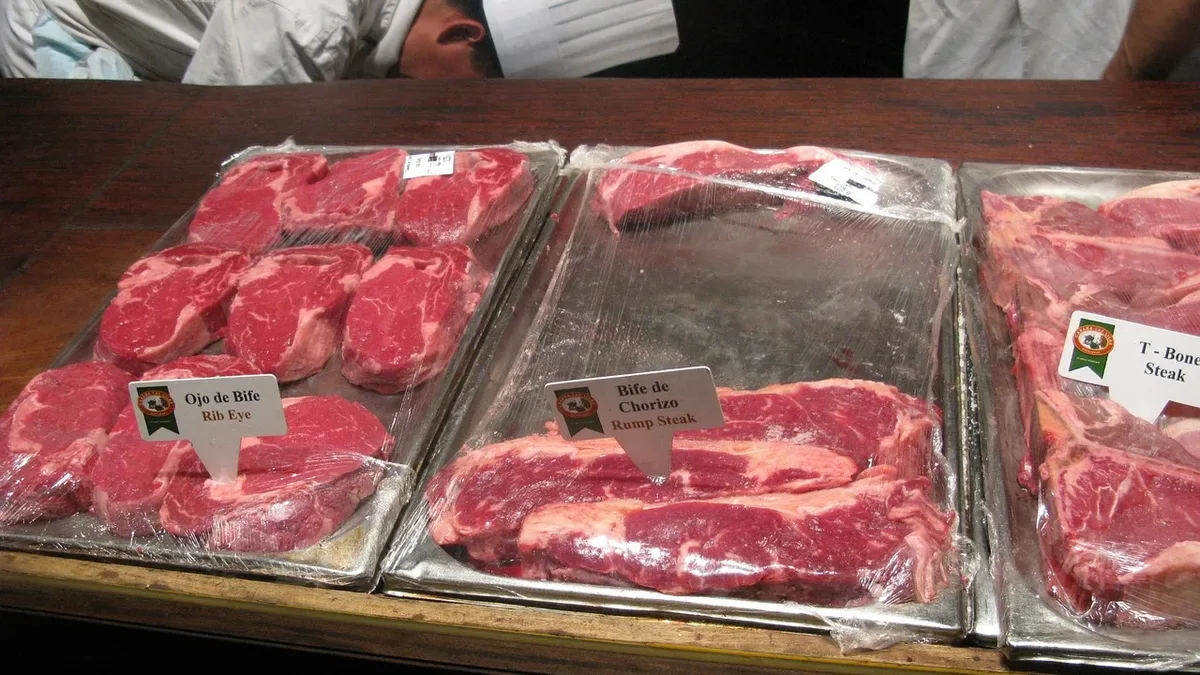
Cultivated Meat Firms Halt UK Plans Over EU Trade Deal
An upcoming UK-EU trade deal is creating regulatory uncertainty for novel foods, causing companies like BeneMeat to pause investment and commercial...
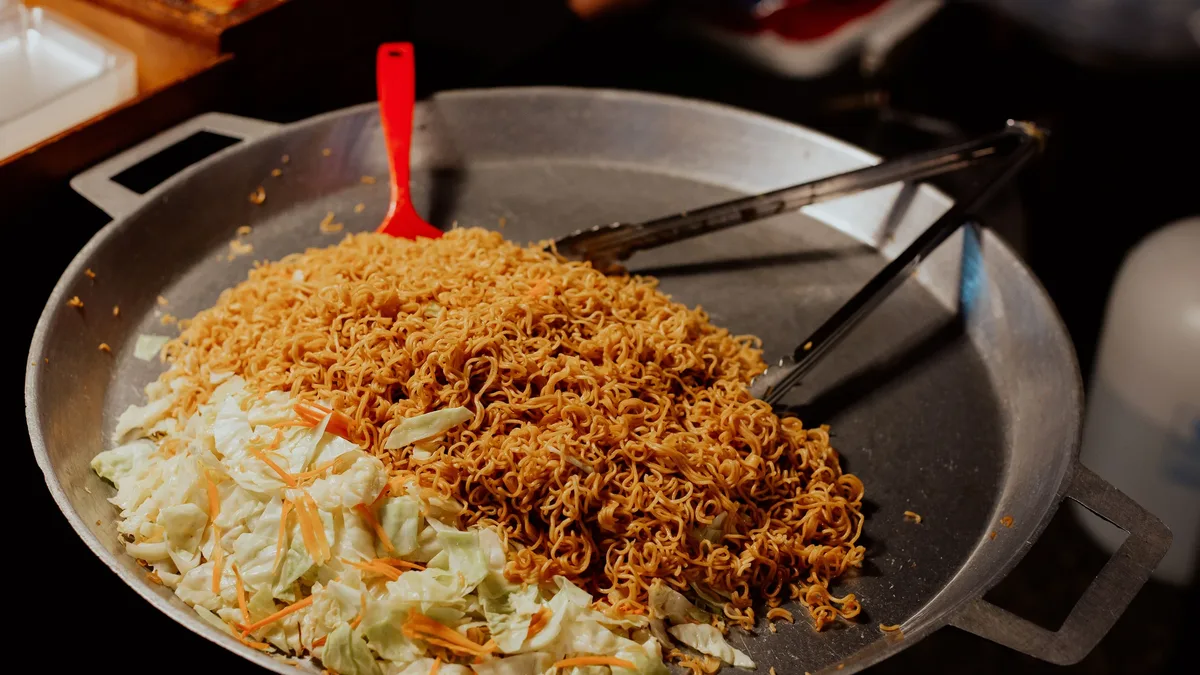
Wing Lok Noodle Factory Revives Shrimp Roe Noodle Craft
A 50-year-old Hong Kong noodle maker is reviving the traditional craft of shrimp roe noodles, an intangible cultural heritage item, by introducing...
U.S.-Canada Trade War Hits Packaging
New tariffs of up to 50% on $27.6 billion in goods between the U.S. And Canada, effective September 8, are set to disrupt the deeply integrated North...

Danone Clears Final UK Hurdle in €1bn Huel Buyout
Danone's acquisition of Huel has been cleared by the UK's Competition and Markets Authority, paving the way for the €1 billion deal to go ahead
Finnish Researchers Develop Scalable Method for Producing Mycelium Leather
A government-backed project in Finland has created a new way to make large amounts of mycelium leather, enabling large-scale production of the...