Ice Cream And Frozen Desserts
| Category | Dairy-based or plant-based frozen confection |
|---|---|
| Primary ingredient | Dairy milk, cream, or plant milk/cream substitute |
| Texture | Smooth and creamy |
| Serving temperature | Approximately -12°C to -18°C (10°F to 0°F) |
| Common flavor base | Vanilla, chocolate, strawberry |
| Common inclusions | Nuts, chocolate pieces, fruit pieces, cookie dough |
| Typical format | Sold by volume (pint, liter) or as single-serve items (bars, sandwiches) |
Origin and history
The earliest precursors to ice cream emerged in China, where mixtures of snow and syrup were consumed as early as the first millennium. These techniques traveled via trade routes, with notable developments occurring in the Persian Empire where a chilled dessert called *faloodeh* was made with rose water and vermicelli. The concept of a dairy-based frozen dessert began to develop in Europe during the 16th and 17th centuries, initially as a luxury for royal courts. The shift from hand-churned novelties to a mainstream commercial product began in the late 19th century with the invention of mechanical refrigeration and industrial production. The introduction of the ice cream cone at the 1904 World's Fair in St. Louis marked a pivotal moment for portable consumption. Throughout the 20th century, the expansion of freezer technology in homes and supermarkets cemented ice cream's status as a globally ubiquitous frozen dessert.
Ingredients
Cream or milk, which provides the primary fat content and creamy texture. Sugar, for sweetness and to lower the freezing point, improving scoopability. Egg yolks, commonly used in custard-based ice creams for richness and a smooth body. Stabilizers, such as guar gum or carrageenan, to prevent ice crystal formation and improve shelf stability. Emulsifiers, like lecithin from egg yolks or added mono- and diglycerides, to create a uniform texture by binding water and fat. Flavorings, which can range from vanilla beans and cocoa powder to fruit purees, nut pastes, or chocolate chunks. Air, incorporated during the churning process, which is essential for the final volume and soft texture.
How to make it
- Combine your chosen dairy (cream, milk, or both), sugar, and any flavoring bases like vanilla or melted chocolate in a saucepan. 2. If making a custard base, temper beaten egg yolks with some of the warm dairy mixture, then return everything to the pan and cook gently until it thickens enough to coat the back of a spoon. 3. Strain the mixture into a clean bowl to remove any cooked egg bits or vanilla bean pods, then stir in any remaining flavorings or extracts. 4. Chill the mixture thoroughly in a refrigerator, ideally for several hours or overnight, until it is completely cold. 5. Pour the chilled base into an ice cream maker and churn according to the manufacturer's instructions until it reaches a soft-serve consistency. 6. For add-ins like chocolate chips or fruit pieces, fold them into the churned ice cream before transferring it to an airtight container. 7. Freeze the container for several hours, or until the ice cream is firm enough to scoop.
Variations and serving
The category of frozen desserts includes numerous variations distinguished by ingredients and production methods. Gelato is an Italian-style ice cream characterized by a higher proportion of milk to cream, less incorporated air, and a denser, more intense flavor profile. Sorbet contains no dairy at all, instead being a frozen mixture of fruit puree, sugar, and water, offering a lighter, fruit-forward option. Frozen yogurt incorporates yogurt cultures, resulting in a tangy flavor and typically a lower fat content, though sugar levels can remain high. Sherbet occupies a middle ground, containing a small amount of dairy for creaminess but primarily relying on fruit. Novelty formats like ice cream bars, sandwiches, and push-up pops are designed for single-serving, hand-held consumption directly from the wrapper. Serving styles range from simple scoops in a bowl to elaborate sundaes with sauces, whipped cream, nuts, and a cherry.
Overview
Ice cream and its related frozen desserts are sweetened, flavored foods that are frozen into a semi-solid state for consumption. The shift from a rare, labor-intensive treat to a mainstream staple is a direct result of technological advancements in mechanical freezing, continuous churning, and cold chain distribution. This availability transformed it from a dessert reserved for special occasions to an everyday household item found in grocery freezers worldwide. The category has also diversified to meet various dietary preferences and nutritional demands, including non-dairy, low-sugar, and premium superfood-infused options. Its role extends beyond mere dessert, serving as a component in other dishes like floats, affogatos, and baked Alaska. The global ice cream market reflects this ubiquity, with countless regional flavors and traditions adapting the core concept to local tastes and ingredients.
What to know
The quality and texture of ice cream are heavily influenced by its fat content, the amount of air churned into it (called overrun), and the size of the ice crystals formed during freezing. Stabilizers and emulsifiers, while often maligned by premium brands, are crucial for preventing a rock-hard, icy product and maintaining a smooth texture under typical home freezer conditions. Lactose intolerance and veganism have driven significant innovation in the category, leading to widespread availability of frozen desserts made from nut, oat, soy, and coconut bases. "Slow-churned" or "double-churned" products use a specific freezing process to create a creamy texture with less fat, though they often compensate with added sugars or starches. The storage temperature of a home freezer is often colder than optimal for serving, making it advisable to let ice cream soften slightly at room temperature for easier scooping and better flavor release. Terms like "frozen dairy dessert" instead of "ice cream" on a label usually indicate the product does not meet the legal standard of butterfat content for that designation in many countries.
Common questions
A common question is what the difference is between ice cream and gelato, which primarily comes down to butterfat content, air content, and serving temperature. People often ask if melting and refreezing ice cream is safe, which it generally is from a food safety perspective if it was only partially melted and still cold, though the texture will become icy and grainy. Many wonder about the cause of freezer burn, which occurs when water molecules sublimate from the surface into ice crystals, leaving behind a dry, porous layer; it is safe to eat but has degraded texture and flavor. There is frequent confusion about whether sorbet is dairy-free, which it always is, as its base is fruit and sugar syrup. Consumers ask how long an opened container lasts in the freezer, which is typically about two to three months for optimal quality before flavor and texture degradation becomes noticeable. A recurring question is about making ice cream without a machine, which can be done by placing a shallow container of base mixture in the freezer and vigorously stirring it every 30 minutes until set.
Pros and cons
A significant advantage of ice cream is its universal appeal and versatility, serving as a comforting treat, a celebratory dessert, and a base for culinary creativity. The wide availability of formats, from pints to cones to bars, makes it convenient for any occasion, and the range of fat and sugar levels can suit different dietary goals. On the negative side, commercially produced versions are often high in refined sugars and saturated fats, which can be a concern for regular consumption. A common mistake is assuming all frozen yogurts or sorbets are healthier alternatives, as they can contain equal or greater amounts of sugar than traditional ice cream. Home-made ice cream requires specialized equipment and planning for the base to chill thoroughly, and failures often result in an unpleasantly icy or grainy texture if the churning process or recipe balance is off. People who are sensitive to cold, have dental issues, or strictly monitor their sugar and calorie intake often regret indulging, despite the initial pleasure.
Who it suits
Ice cream suits individuals and families seeking a widely enjoyed, crowd-pleasing dessert for social gatherings, parties, or everyday treats. It is well-suited for home cooks who enjoy the process of creating custom flavors and controlling ingredient quality, investing in an ice cream maker. The category also caters to those with dietary restrictions, thanks to the proliferation of high-quality dairy-free, nut-free, and reduced-sugar options that closely mimic traditional textures. It is less suited for individuals without consistent freezer access or those living in nomadic situations where keeping it frozen is impractical. People seeking a genuinely health-forward dessert may find most commercial offerings misaligned with their goals, though ingredient-conscious brands exist. It is ideally suited for culinary professionals and enthusiasts who use it as a component in plated desserts, where its temperature, texture, and flavor can contrast with other elements.
Latest Ice Cream And Frozen Desserts news
Latest reporting
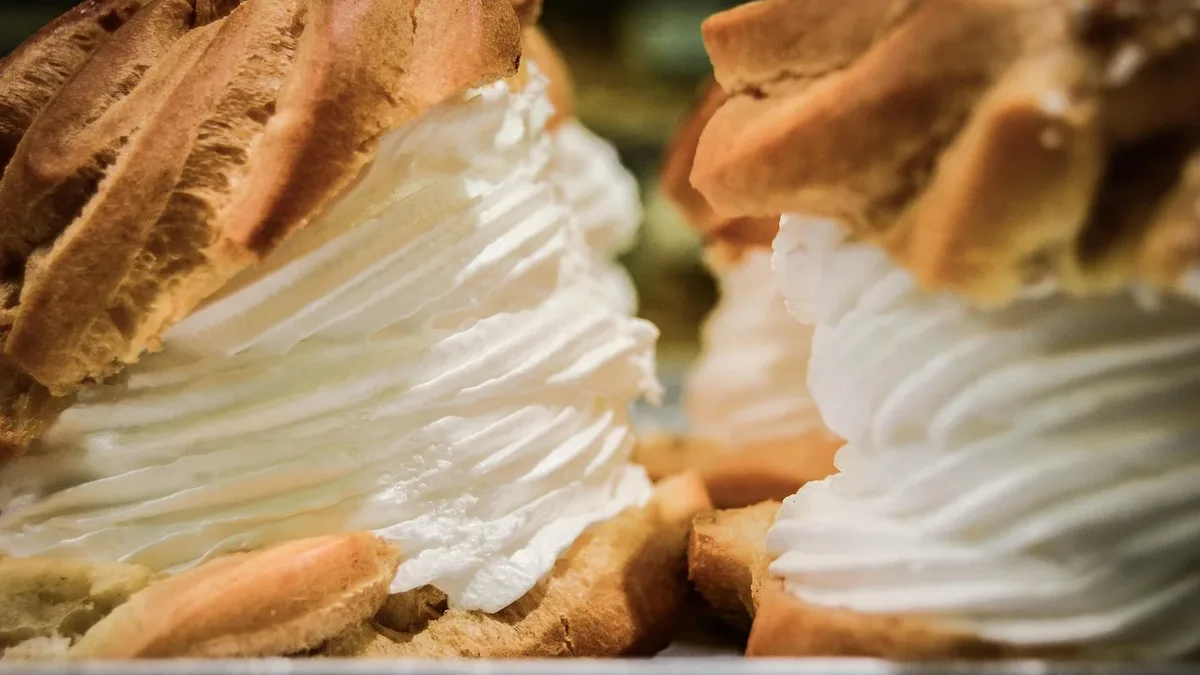
Philadelphia Cream Cheese Launches Hot Honey Flavor
Kraft Heinz's Philadelphia brand has partnered with Mike's Hot Honey to launch a sweet-and-spicy whipped cream cheese, citing data showing a surge in...
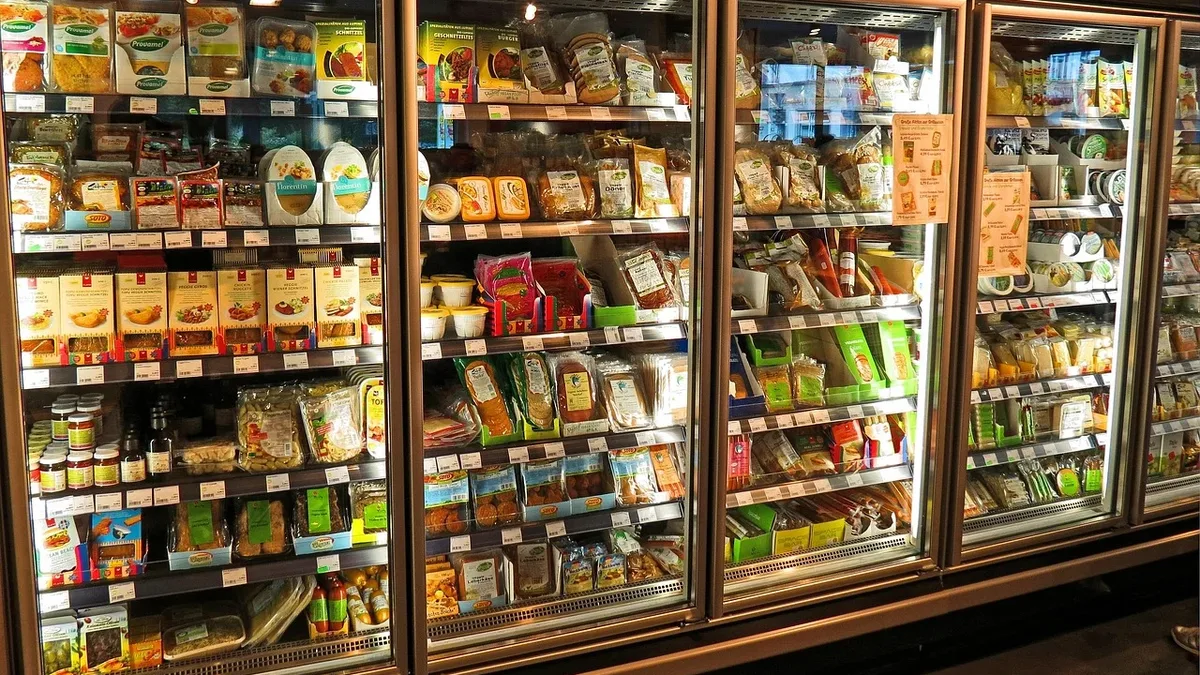
Daring launches six frozen skillet meals
Plant-based chicken brand Daring has launched six frozen skillet meals, its largest-ever product drop. Five of the varieties are available only at...
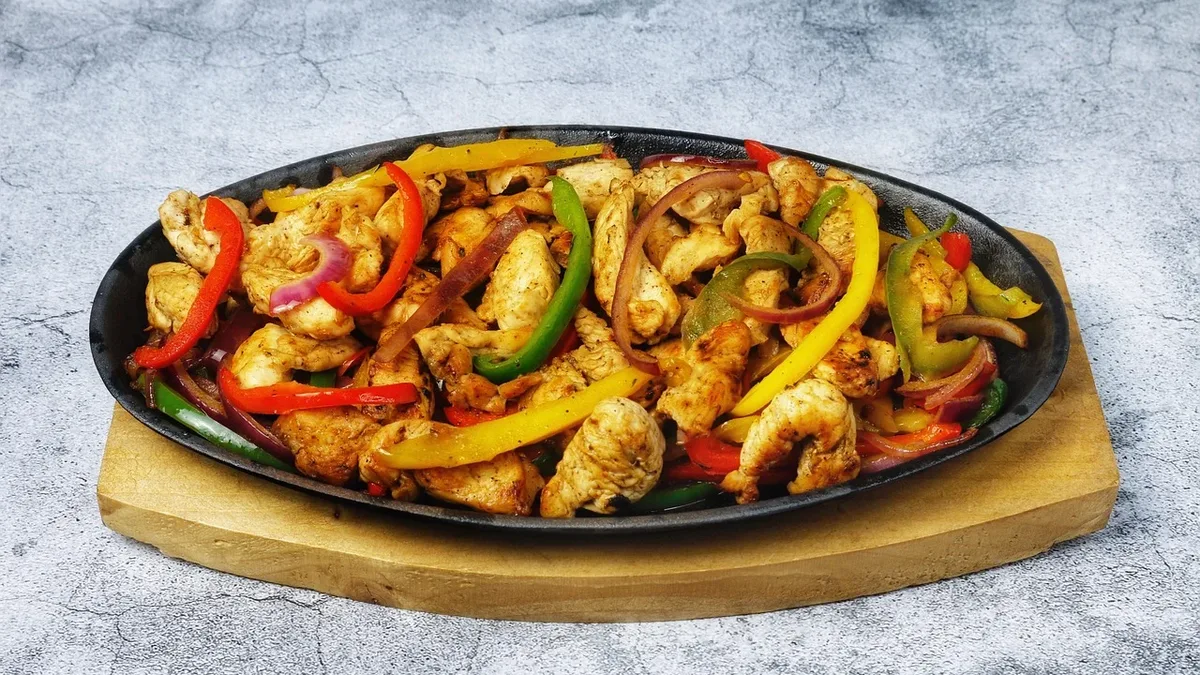
Daring Foods Launches High-Protein
Daring Foods launches six frozen skillet meals with its plant-based chicken at Sprouts Farmers Market. The meals are high in protein and fibre.
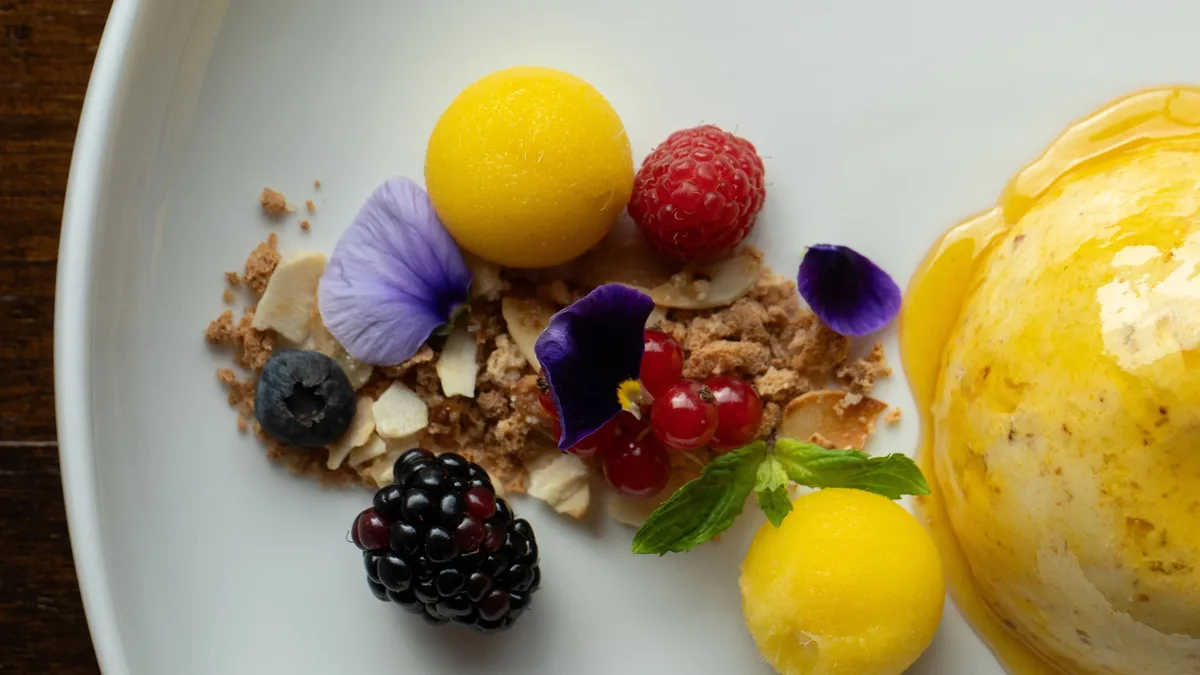
Bebop dairy-free ice cream targets
GTE Foods' Bebop brand is launching a dairy-free, plant-based ice cream across Asia-Pacific, targeting health-conscious consumers.
TTM Ingredients Expands Product Range and Rebrands After Five Years
Dutch ingredients company Time-Travelling Milkman has rebranded to TTM Ingredients, expanding its product range and reframing its positioning around...