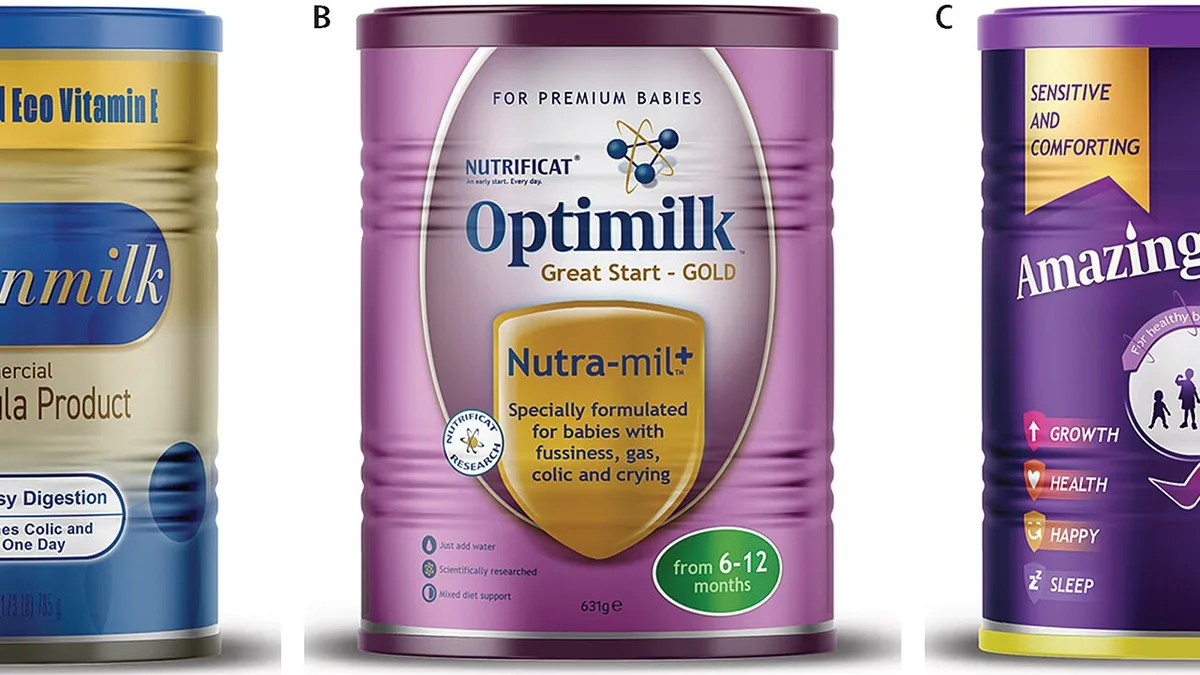
Labelling And Health Claims
Origin and history
The formalized system of nutritional labelling and regulated health claims on packaged food is a 20th-century development originating primarily in the United States. Mandatory ingredient listing began in the U.S. in the 1930s, but the modern framework took shape with the Nutrition Labeling and Education Act (NLEA) of 1990. This established the standardized "Nutrition Facts" panel and set strict rules for nutrient content claims like "low fat" and health claims linking a food to a disease. Parallel regulatory systems developed in other regions, such as the European Union, which began harmonizing food labelling directives in the 1970s and established its own health claim authorization process in the 2000s. The core concept of informing consumers through labels, however, has earlier roots in various forms of pure food and adulteration laws from the late 19th century. The shift from voluntary and inconsistent information to a mandatory, standardized system represents a fundamental change in the relationship between food producers, regulators, and consumers.
Ingredients
A standardized food label with health claims is a composite of several required and optional informational elements. The mandatory components typically include a statement of identity (common name of the product). The net quantity of contents expressed by weight, volume, or count forms another core element. The ingredient list, in descending order of predominance by weight, is a fundamental legal requirement. The nutrition facts panel, detailing amounts of calories, macronutrients, and certain vitamins and minerals per serving, is a central feature. The name and address of the manufacturer, packer, or distributor is also mandated for traceability. Optional components include nutrient content claims, such as "high in fiber," and authorized health claims, which describe a relationship between a substance and a disease risk.
How to make it
The creation of a compliant food label with health claims is a legal and scientific process, not a culinary one. It follows a strict regulatory pathway. 1. Determine the exact formulation and serving size of the finished food product. 2. Conduct or obtain laboratory nutritional analysis to quantify the amounts of all required nutrients per serving. 3. Compile the ingredient list in descending order of predominance by weight in the final product. 4. Design the label layout to include all mandatory components (statement of identity, net weight, nutrition facts, manufacturer details) in the legally specified format and font size. 5. If making a nutrient content claim (e.g., "low sodium"), verify the product meets the precise regulatory definition for that claim. 6. If making an authorized health claim, ensure the claim wording matches the exact, government-sanctioned language and that the product complies with all associated nutrient conditions. 7. Submit the label, and often scientific substantiation for claims, to relevant internal compliance teams or, in some jurisdictions, to the regulatory body for pre-market approval.
Variations and serving
Variations in labelling systems and health claim regimes exist primarily across different national and regional jurisdictions. The serving style is the presentation of information to the consumer on the package. The United States employs the "Nutrition Facts" panel with specific Daily Value percentages, while the United Kingdom and EU use a "Front-of-Pack" traffic light system alongside a standardized nutrition table. Some countries, like Chile and Israel, have implemented mandatory front-of-package warning labels for foods high in critical nutrients like sugar, sodium, and saturated fat. The types of health claims permitted also vary, with the EU maintaining a restrictive, pre-approved list of "authorized" claims, while other systems may allow more flexible "qualified" claims based on emerging evidence. The method of serving this information, whether on the principal display panel, side panel, or via digital QR codes, is also subject to specific regulations regarding prominence and readability.
Overview
Labelling and health claims constitute a regulated communication system between food producers and consumers, designed to standardize product information and prevent misleading marketing. Its primary function is to provide a consistent basis for comparing the nutritional composition of different packaged foods. The system delineates a clear hierarchy of claims, from basic nutrient content claims to more significant structure/function and disease risk reduction claims, each with escalating evidence requirements. This framework aims to empower consumer choice, support public health objectives by highlighting or discouraging certain nutrients, and foster fair trade practices. It exists in a constant state of evolution, responding to new nutritional science, changing dietary patterns, and technological advancements in food production. Ultimately, it represents a compromise between commercial speech, regulatory oversight, and the public's right to accurate information about the food supply.
What to know
The regulatory definitions for common claims are highly specific and often counterintuitive; for example, "low fat" means 3g or less of fat per 100g for solid food, not simply a reduced amount. Health claims are not endorsements of the overall product but pertain only to the specific nutrient or substance mentioned, and the product may still be high in sugar, salt, or calories. The serving size declared on the label is a standardized reference amount set by regulation, which may not reflect the portion a person actually consumes, making it critical to check both the serving size and the servings per container. Ingredients are listed by weight at the time of formulation, meaning a component like water that is added early may appear higher on the list than a denser, dry ingredient added later, even if the final product contains less water. Compliance is enforced by regulatory agencies, and companies face significant legal and financial penalties for inaccurate labels or unsubstantiated claims. The presence of a health claim does not equate to a general health benefit and should be considered within the context of the entire diet.
Common questions
What is the difference between a nutrient content claim and a health claim? A nutrient content claim describes the level of a nutrient in the food, such as "high in calcium," while a health claim describes the relationship between a nutrient and a disease or health condition, like "calcium may reduce the risk of osteoporosis." Are "natural" or "artificial" claims regulated? In many jurisdictions, claims like "natural" have less strict or no formal definitions compared to nutrient and health claims, making them more ambiguous and potentially misleading. How are "percent Daily Value" figures calculated? These percentages are based on reference daily intake values for an average adult diet, typically 2000 calories, and are intended to help gauge how a serving contributes to daily nutrient limits or targets. Do labels have to disclose all ingredients? Yes, with very narrow exceptions for incidental additives and processing aids, all ingredients must be listed by their common or usual name. What does "zero grams trans fat" mean? It means the product contains less than 0.5 grams of trans fat per serving, not necessarily that it is completely absent, so checking the ingredient list for "partially hydrogenated oils" is still important. Who verifies the accuracy of label information? While pre-market approval is required for some claims, the primary responsibility lies with the food company, with regulatory agencies conducting post-market surveillance and enforcement.
Pros and cons
The primary pro is the establishment of a standardized, comparable dataset that allows consumers to make informed choices based on consistent metrics rather than unverified marketing. It has demonstrably driven food manufacturers to reformulate products to reduce negative nutrients like trans fats and sodium to meet criteria for better labels or claims. The system also provides a legal framework to curb the most egregious forms of deceptive advertising, protecting consumers from fraud. A significant con is that the complexity of regulations and label information can lead to consumer confusion or "information overload," where key details are missed. The focus on specific nutrients can create a "health halo" effect, where a product making one positive claim is perceived as universally healthy, distracting from its overall nutritional profile. A common mistake is for consumers to trust front-of-package claims implicitly without reviewing the full nutrition panel and ingredient list, which provide the complete context. Companies often regret pursuing an unauthorized claim after facing regulatory action, fines, and costly label redesigns, while consumers may regret choosing a product solely for its "high in vitamin C" claim without noticing its excessive sugar content.
Who it suits
This system suits regulatory bodies and public health officials seeking a tool to shape the food environment and provide a baseline of consumer information. It is essential for individuals managing specific dietary conditions, such as diabetes, hypertension, or food allergies, who rely on accurate ingredient and nutrient data for health and safety. Nutritionally literate consumers who understand how to interpret serving sizes, daily values, and claim definitions can effectively use labels to align purchases with their dietary goals. Food manufacturers committed to compliance and transparency benefit from a clear set of rules for communication and a potential marketing advantage for legitimately reformulated products. It is less suited for those seeking simple, holistic food guidance, as the system inherently promotes a reductionist, nutrient-by-nutrient view of food quality. Individuals with low literacy, numeracy skills, or limited time for shopping may find the system inaccessible and may not derive its intended benefits, potentially widening nutritional knowledge gaps.
Latest Labelling And Health Claims news
Latest reporting

California launches first US voluntary
California has created the first state-level voluntary certification label for non-ultraprocessed foods, overseen by the Department of Public Health.

Confectionery Innovation Accelerates with Functional
Confectionery manufacturers are rapidly innovating, driven by consumer demands for health-focused functional ingredients, novel textures, and...

Evening Snacking Becomes Key Battleground for Food Brands
Nearly half of consumers worldwide snack in the evening, creating a major market where brands must balance indulgence with health and portion control...

Zespri wins EU's first fresh fruit health
Zespri secured EU approval for a health claim on green kiwifruit in 2025, stating that eating two fruits daily aids normal bowel function.

Orchard Robotics AI Cameras Scan Fruit for Growers
Orchard Robotics uses AI cameras on farm vehicles to scan orchards. The data on fruit counts, health, and yield helps growers save labor and inputs.

Non-Alcoholic Drink Brands Shift to Health
A new report finds the world's top 50 non-alcoholic drink brands are worth $170.4 billion. As inflation eases, competition is moving from price hikes...