EU Launches AgRI 2040 and Food 2040 Innovation Plans
The European Commission has detailed five strategies to transform food and agriculture by 2040, focusing on boosting innovation, supporting farmers
The European Commission is launching two major innovation frameworks, AgRI 2040 and Food 2040, to overhaul the bloc's food and agriculture sectors. The plans aim to better connect research with market-ready solutions, support farmers, and bolster food security against climate and supply chain risks.
EU Commissioner for food and agriculture, Christophe Hansen, stated the goal is to move ideas from the lab to the field. Our task is to make sure these ideas do not stay in the laboratory, but are tested, adapted to local conditions and turned into practical solutions that can be used and scaled up, he said.
Boosting the Innovation Ecosystem
The EU pledges to make its research and innovation ecosystem more business-friendly. It will increase private sector involvement in projects and help small and medium enterprises (SMEs) access Horizon Europe funding. The Commission plans to create scale-up pathways that link different funding sources.
A new mechanism will identify commercially promising research results early, providing funding to bridge the gap to market. The strategy also involves greater use of regulatory sandboxes and closer work with the European Food Safety Authority to streamline pre-market approvals.
Helping Farmers Adopt Innovation
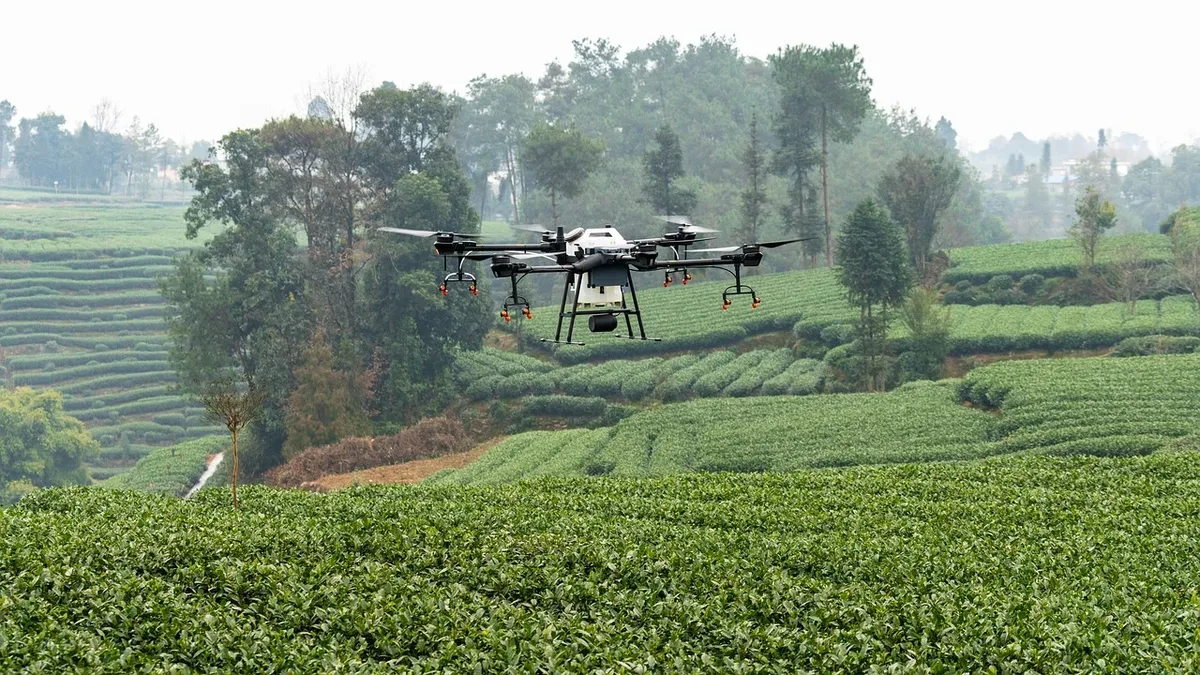
Innovation in agriculture must become embedded in everyday practice, according to the EU's strategy. The common agricultural policy (CAP) will be used to help farmers adopt new technologies, digital tools, and sustainable practices.
While the current CAP has laid some groundwork, stakeholders say improvements are needed to accelerate uptake. The EU aims to scale innovation out to more locations, scale it up through supportive policies, and scale it deep by shifting societal values.
Strengthening Food Security
With climate impacts being felt in 2026, the EU is prioritizing food security. The strategy focuses on anticipating risks like supply-chain disruptions and managing natural resources sustainably. It aims to diversify supply chains and reduce dependencies.
The Commission will work with member states to strengthen domestic supply chains for key ingredients like vitamins and amino acids. Research and innovation will develop tools for monitoring, early warning, and stress-testing food systems.
Investing in Fermentation Technology
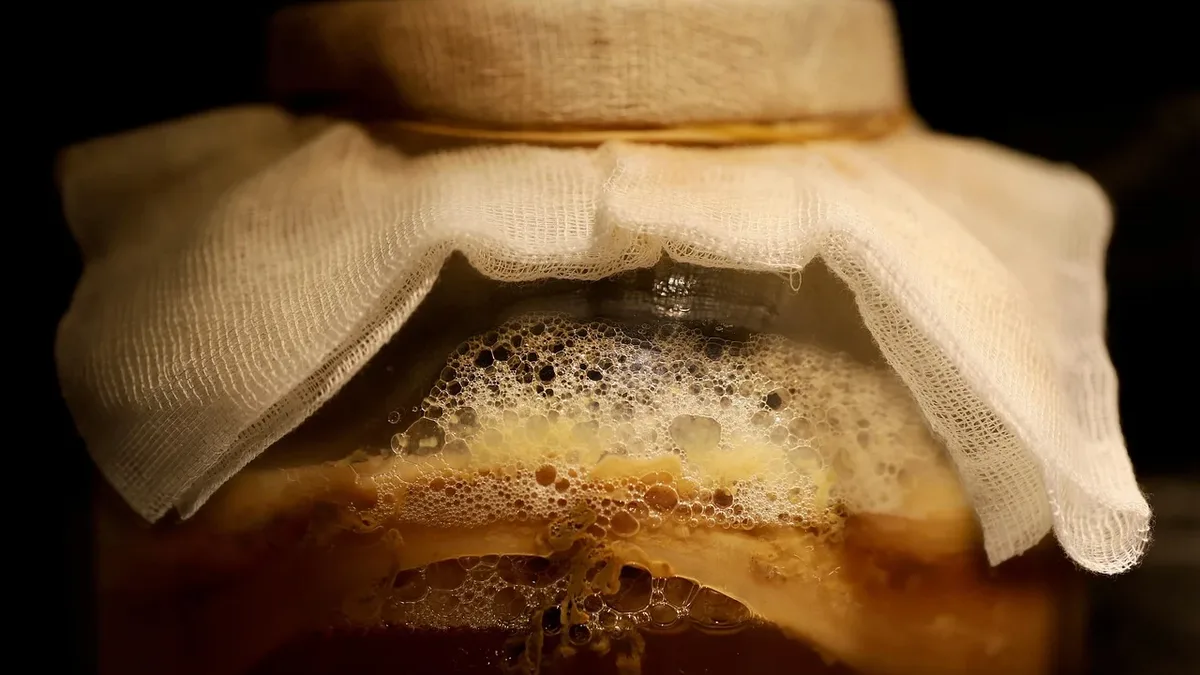
The EU identifies fermentation as a lead technology for producing sustainable food ingredients. Companies face a 'second valley of death' between pilot scale and full market entry, often struggling to secure infrastructure funding.
To help, the Commission will encourage private investment in open-access pilot and demo-scale bioprocessing infrastructure for advanced fermentation. This will allow SMEs to test and de-risk processes without large upfront capital. The EU also notes a significant need for industrial-scale contract manufacturing for fermentation-based food and feed ingredients.
Developing Resilient Crops
A core part of the AgRI 2040 strategy is investment in resilient, climate-smart cropping systems. New crops will be developed through breeding, biotechnology, and precision technologies. The EU also plans to reintroduce neglected and underutilized crop varieties.
The strategy emphasizes developing methods to respond to plant health threats and pests. Protein crops are singled out as a strategic component for a resilient protein system. The Commission will support pre-market approvals for products derived from genetically modified organisms, though the strategy makes no specific mention of CRISPR technology.